
How to Install TPO Roofing: A Step-by-Step Guide for Commercial Roofs
What Is TPO Roofing?
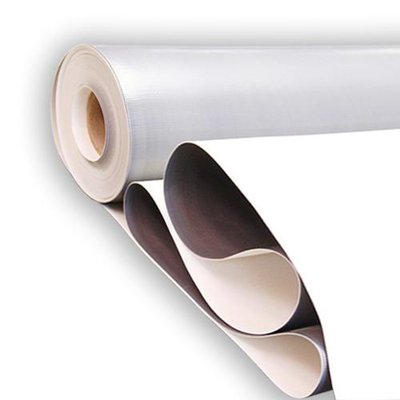
Thermoplastic polyolefin (TPO) roofing is a single-ply membrane system widely used on commercial and industrial roofs. It provides a waterproofing layer and is commonly selected for its practical installation process and compatibility with different commercial roofing assemblies.
Successful TPO roofing installation depends on proper roof preparation, suitable attachment methods, correctly welded seams, and careful inspection. Before starting, review the membrane manufacturer's installation instructions, project specifications, and local building requirements.
For projects requiring a uniform membrane structure, explore our Homogeneous TPO Waterproofing Membrane page.
Tools and Materials Needed for TPO Roofing Installation
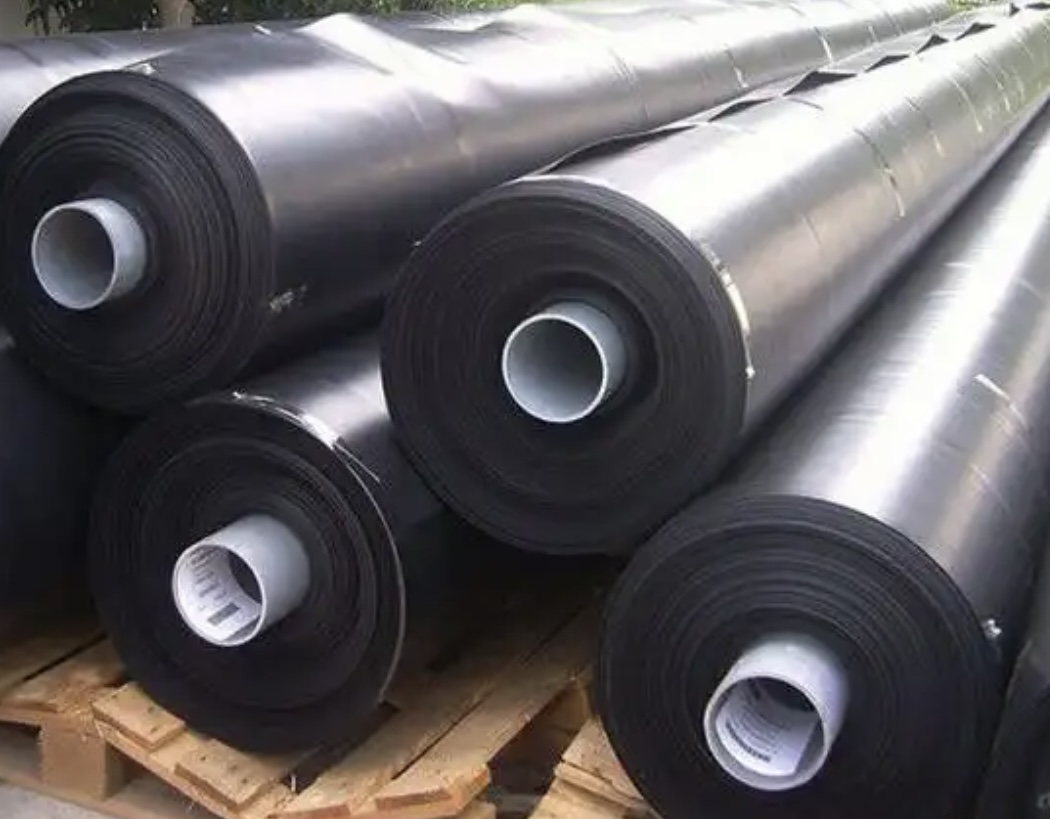
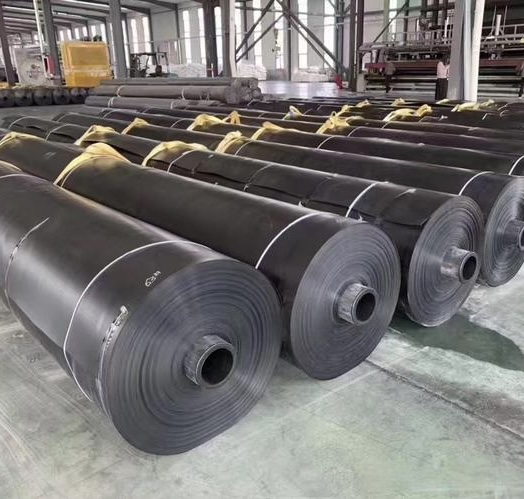
The tools and materials required depend on the roofing system, substrate, and installation method. Common items include TPO membrane rolls, insulation boards, cover boards where specified, compatible fasteners or adhesives, flashing materials, a hot-air welding machine, seam probes, measuring tools, and cleaning supplies.
Different TPO membrane types serve different project requirements:
| TPO Membrane Type | Key Characteristic | What to Check |
|---|---|---|
| Homogeneous TPO | Uniform membrane structure | Product specifications and system compatibility |
| Reinforced TPO | Includes a reinforcing layer | Reinforcement details and project requirements |
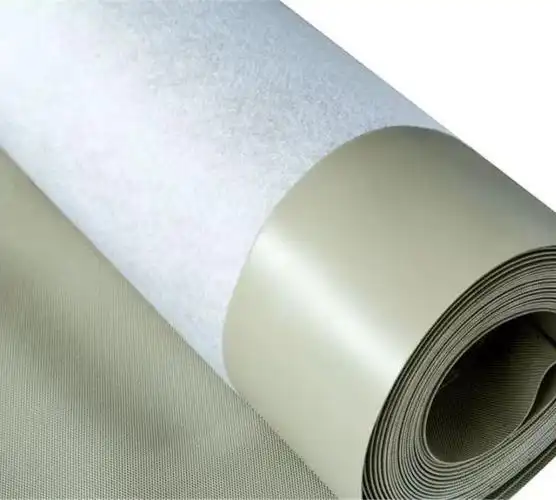
| Fleece-Backed TPO | Includes a fleece backing | Substrate suitability and attachment method |
Learn more about Reinforced TPO Membrane when evaluating membrane options for commercial roofing projects.
How to Install TPO Roofing Step by Step
Step 1: Inspect the Roof Deck
Check the roof deck for moisture, damage, uneven areas, and loose materials. The substrate should meet the roofing system's requirements before installation begins. Resolve existing problems before covering the surface.
Step 2: Install Insulation and Cover Boards
Install the specified insulation and cover boards according to the approved roofing design. Ensure that boards are properly positioned and secured using the method specified for the project.
For systems that require a backing layer, review the suitability of Fleece-Backed TPO and confirm compatibility with the substrate and attachment system.
Step 3: Plan the Membrane Layout
Measure the roof and plan membrane placement before unrolling the material. Consider roof dimensions, penetrations, edges, drains, and seam locations. A well-planned layout helps reduce unnecessary cuts and complicated joints.
Step 4: Position and Secure the Membrane
Unroll and position the membrane according to the manufacturer's instructions. Depending on the approved system, attachment may involve mechanical fastening, adhesive, or another specified method. Avoid wrinkles and excessive tension.
Step 5: Heat-Weld the Seams
TPO membrane seams are commonly joined using hot-air welding. Set the welding equipment according to the membrane manufacturer's guidance and site conditions. The required settings may vary with membrane thickness, equipment, and weather.
Allow the seam to cool before checking it. Use the specified inspection method to identify incomplete welds or other defects. Refer to the NRCA roofing technical resources and the product installation instructions for applicable procedures.
Step 6: Detail Flashings and Penetrations
Pay close attention to roof edges, drains, vents, pipes, and other penetrations. Use compatible flashing materials and follow the approved details for each location. Poorly executed details can compromise the waterproofing system even when the main membrane seams appear sound.
Step 7: Inspect the Completed Roof
Inspect seams, flashings, membrane attachment, roof edges, and drainage areas. Repair identified defects using the approved method before the roof is accepted or covered by subsequent work.
Common TPO Roofing Installation Problems
| Problem | Possible Cause | Recommended Check |
|---|---|---|
| Weak seams | Incorrect welding settings or technique | Inspect weld quality and adjust according to product guidance |
| Wrinkles or trapped air | Poor membrane positioning | Check layout and installation sequence |
| Leaks around penetrations | Incomplete flashing details | Review details and inspect all transitions |
| Membrane movement | Unsuitable or incomplete attachment | Verify fastening or adhesive requirements |
These issues do not always have a single cause. Diagnosis should consider the roofing system design, site conditions, materials, and installation records.
TPO Roofing Installation Checklist
Before installation: Confirm that the roof deck is suitable, materials are compatible, and the installation plan follows project requirements.
During installation: Check membrane alignment, attachment, seam welding, and flashing details. Keep the work area clean and protect materials from contamination.
After installation: Inspect seams and penetrations, verify drainage paths, document repairs, and follow the manufacturer's recommendations for final inspection and maintenance.
Frequently Asked Questions
1.How are TPO roofing seams joined?
TPO seams are commonly joined with hot-air welding. Equipment settings and procedures should follow the membrane manufacturer's instructions.
2.Can TPO roofing be installed over an existing roof?
It depends on the existing roof condition, moisture levels, substrate, building requirements, and approved roofing system. A qualified professional should assess the roof before deciding.
3.What should be checked before TPO installation?
Check the roof deck, moisture conditions, insulation requirements, membrane compatibility, attachment method, and project-specific details.
4.What can cause leaks in a TPO roof?
Potential causes include defective seams, damaged membrane, incomplete flashing, and problems around drains or penetrations. Inspection is needed to identify the actual cause.
5.How can a TPO roof be maintained?
Follow the roofing system's maintenance recommendations. Periodically inspect seams, flashings, drainage areas, and visible membrane damage, especially after severe weather.
Conclusion
Reliable TPO roofing installation requires proper preparation, compatible materials, controlled seam welding, and detailed inspection. Contractors should follow the approved roofing design and manufacturer instructions rather than relying on a generic installation sequence alone.
References
1.ASTM International. Standard Specification for Thermoplastic Polyolefin-Based Sheet Roofing (ASTM D6878/D6878M). ASTM Standard
2.National Roofing Contractors Association (NRCA). Roofing Guidance and Technical Resources. NRCA Resources
3.U.S. Department of Energy. Roof Edges in High-Wind Zones. DOE Resource