Is SBS the Same as Modified Bitumen? Understanding SBS Modified Waterproofing Membranes
You see "SBS" on one quote and "modified bitumen" on another. You assume they mean the same thing. Then one roll cracks in winter and the other does not.
No. Modified bitumen is the broad category: bitumen blended with polymers. SBS is one of those polymers. Every SBS membrane is a modified bitumen membrane, but not every modified bitumen membrane is SBS. APP is the other common type.
Most guides stop there. But in my work, the label "SBS" hides more than it shows. Two SBS rolls can perform very differently. Let me show you why, and how to tell them apart before you buy.
What is Modified Bitumen Waterproofing Membrane?
Plain bitumen is cheap. It is also brittle in the cold and soft in the heat. Would you trust it on your roof?
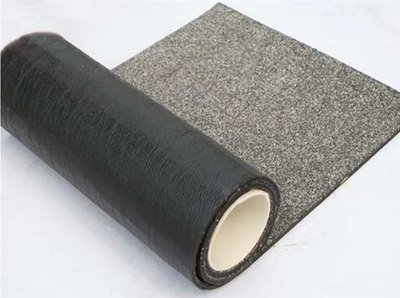
A modified bitumen waterproofing membrane is a factory-made sheet. The maker blends bitumen with polymers and coats a reinforcing mat with the blend. The polymer adds flexibility and heat resistance. The mat adds strength. Together they form a durable waterproof layer.
Two Parts, One Membrane
Modified bitumen grew out of built-up roofing. Commercial Roof Guide explains that it starts with standard roofing asphalt blended with either APP or SBS polymers. Those polymers change how the bitumen behaves. But polymer is only half of the sheet. The mat, usually polyester or fiberglass, carries the load. I see many buyers focus on the polymer and forget the mat. At Xiaolong, we treat the two as one design choice.
How does SBS Modify Bitumen Performance?
Bitumen cracks when the weather turns cold. Buildings also move. A rigid sheet cannot follow, and one small crack lets water in.
SBS is a rubber-like polymer. Blended into bitumen, it forms a network that stretches and springs back. This gives the membrane elasticity, cold flexibility, and better heat resistance. The sheet can follow building movement without tearing.
The Polymer Network
The RCABC Roofing Practices Manual says the maker must make sure the bitumen and polymer are compatible and well mixed. The type of modifier and the percentage of polymer set the long-term result. This point matters more than any brochure claim.
Where Quality Splits
A low-cost blend can carry an "SBS" label and still use little polymer or poor mixing. The sheet looks fine on day one. It hardens after a few winters. At Xiaolong, we watch the mixing stage closely for this reason.
Is SBS the Same as Modified Bitumen?
Buyers use the two terms as one. Many sellers do too. That habit leads to wrong orders.
No. Modified bitumen is the category. SBS and APP are the two main polymers inside it. SBS gives an elastic, rubber-like membrane. APP gives a firmer, plastic-like membrane with stronger heat and UV resistance.
Category Versus Type
Think of modified bitumen as a family. Polyglass names APP and SBS as the two most common modifiers. It describes SBS as softer and more malleable, and often recommended for northern climates. So the polymer name tells you where the sheet will do well.
Why It Matters when You Buy
A client once compared two quotes for a cold-climate roof. One said "SBS". The other said only "modified bitumen". The second turned out to be APP. The prices looked the same. The performance would not have been.
What are the Differences between SBS and Traditional Bitumen Membranes?
Old oxidized bitumen sheets still sell at low prices. They also crack early. Why do some buyers still choose them?
SBS membranes stay flexible in the cold, stretch with movement, and resist fatigue. Traditional oxidized bitumen membranes are harder and more brittle. SBS costs more at the start, but it handles stress far better over time.
Side-by-Side View
Commercial Roof Guide notes that SBS membranes keep their flexibility well below zero degrees Fahrenheit. Unmodified asphalt tends to crack in freeze-thaw cycles. The table shows the gap.
| Feature | Traditional Oxidized Bitumen | SBS Modified Bitumen |
|---|---|---|
| Elasticity | Low | High, with strong recovery |
| Cold Flexibility | Becomes brittle | Stays flexible |
| Movement Tolerance | Weak | Good |
| Upfront Cost | Lower | Higher |
| Long-Term Risk | Higher | Lower |
When Should You Choose an SBS Modified Waterproofing Membrane?
Not every project needs SBS. Some need it badly. A wrong pick costs you in leaks or in wasted budget.
Choose SBS when the project faces cold winters, freeze-thaw cycles, large temperature swings, or structural movement. It suits roofs, basements, podium decks, terraces, and bridges. For hot, sun-heavy roofs with little movement, APP may fit better.
Match the Membrane to the Site
Siplast offers pre-applied SBS membranes for below-grade work. They go down before the concrete is placed, on a polyester mat. This shows how position and method shape the product choice.
Climate is Not Enough
I check three things: climate, movement, and exposure. A buried basement wall has no UV. An exposed roof does. For exposed roofs, I ask about the surface finish, such as mineral granules or aluminum foil. Xiaolong customers often ask this late. I wish they asked it first.
What Should You Consider when Buying SBS Waterproof Membranes?
Two rolls look identical. Their data sheets look alike. Yet one fails in five years. What did you miss?
Check the polymer type and content, the reinforcement mat, and the thickness. Ask for test results on low-temperature flexibility and tensile strength. Confirm the product meets standards such as ASTM D6162 or EN 13707, and ask for batch-level records.
Carrier and Thickness
Insutech points out that carrier and thickness matter as much as the polymer for a membrane's life. Sheets run from 1.5 to 6 mm on polyester or fiberglass. I agree with this. A strong polymer on a weak mat still fails.
Ask for Proof
Standards such as ASTM D6162 and EN 13707 give you a common yardstick. I ask for a test report from the same batch, not a generic one. I also ask how the supplier stores and ships the rolls. At Xiaolong, we share batch data when a buyer asks.
Conclusion
SBS is one type of modified bitumen, not another name for it. Check the polymer, mat, thickness, and test data, and pick a supplier who can prove them.
References
- Commercial Roof Guide. Modified Bitumen Roofing Guide (2026). commercialroofguide.com
- Roofing Contractors Association of British Columbia (RCABC). Waterproofing Systems: 2-Ply SBS Membrane Systems, Roofing Practices Manual. rpm.rcabc.org
- Polyglass U.S.A. Understanding Modified Bitumen Membranes to Ensure Successful Cold Weather Application. polyglass.us
- Siplast. TeraPROOF Pre-Applied SBS Membranes. siplast.com
- Insutech. APP vs SBS Bitumen Membranes: How to Choose the Right One. insutech-eg.com
- HUAFENG Waterproofing. Compare APP and SBS Modified Bitumen Membranes Performance. hfwaterproof.com