How to Choose the Right HDPE Pond Liner Thickness for Fish Ponds
Introduction
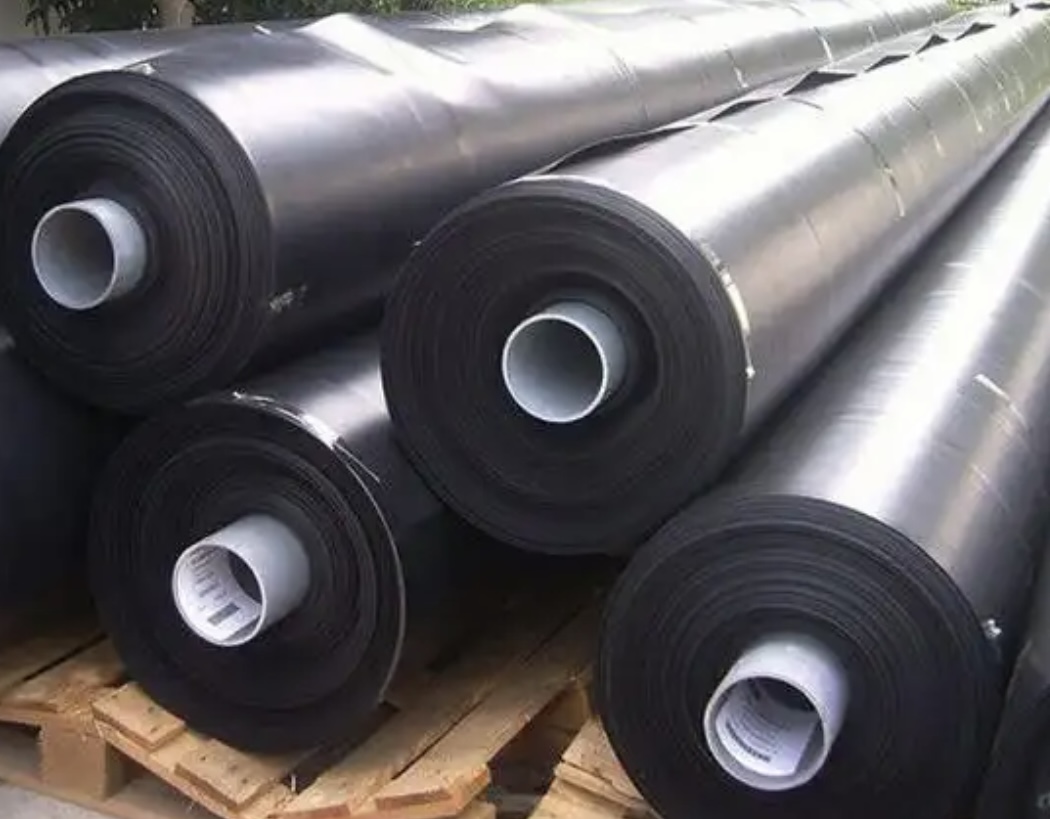
Choosing the correct HDPE pond liner thickness is essential for building a reliable fish pond or aquaculture system. The liner must provide effective seepage control while withstanding water pressure, ground conditions, installation activities, and long-term exposure.
A liner that is too thin for the project may be more vulnerable to punctures and installation damage. However, selecting the thickest available material does not automatically produce the best result. The right thickness will depend on pond depth, subgrade conditions, slope design, liner protection, and operating requirements.
For fish farmers, contractors, and project buyers, understanding these factors will make material selection more practical and help reduce unnecessary replacement and maintenance costs.
Why Does HDPE Pond Liner Thickness Matter?
HDPE geomembrane thickness directly affects the mechanical protection and durability of a pond lining system. Thicker liners generally provide greater resistance to mechanical damage, but actual performance also depends on material quality, installation methods, and site conditions.
For fish ponds and aquaculture projects, the liner must perform under several conditions.
Water pressure: Deeper ponds place greater hydrostatic pressure on the lining system. Pond depth and slope design should therefore be considered when determining liner specifications.
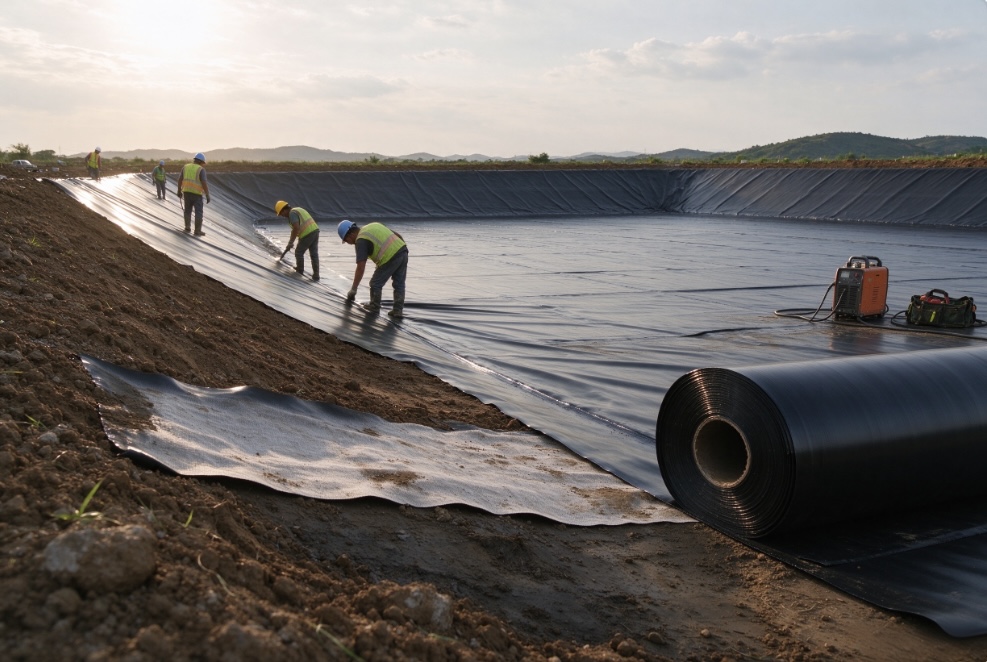
Ground conditions: Stones, roots, sharp objects, and uneven soil surfaces may damage the liner during installation or operation. Proper subgrade preparation and protective layers are important.
Installation requirements: Handling, unfolding, positioning, and welding all affect the final lining system. A suitable thickness will provide a more appropriate balance between installation flexibility and mechanical protection.
Long-term exposure: Sunlight, temperature changes, water conditions, and maintenance activities influence the service conditions of the liner. UV resistance and material quality should be evaluated alongside thickness.
What Factors Should You Consider When Choosing Pond Liner Thickness?
1. Pond Depth and Design
Pond depth is an important factor in liner selection. A deeper pond creates greater water pressure at the bottom and places different demands on the lining system than a shallow pond.
For commercial fish farming, buyers should confirm the maximum water depth, side slope, pond shape, and expected operating water level before selecting a liner.
Thickness should not be determined by pond area alone. Two ponds with the same surface area may require different liner specifications because their depths, ground conditions, and construction designs are different.
2. Soil and Subgrade Conditions
The condition of the pond foundation directly affects liner protection.
A well-prepared subgrade should be compacted and free from sharp stones, roots, construction debris, and other objects that could puncture the geomembrane. Where the soil contains coarse particles or irregular surfaces, a suitable geotextile protection layer may help reduce localized mechanical damage.
The protective layer should be selected according to the soil conditions, liner specifications, and project design. It does not replace proper ground preparation.
The Geosynthetic Institute's GRI-GT12(a) specification for nonwoven geotextiles used as protection or cushioning materials provides relevant guidance for selecting geotextiles used beneath geomembranes.
3. Installation and Operating Conditions
Installation conditions will influence the thickness and surface type required for a pond liner.
For example, a pond with steep side slopes may require additional attention to liner stability and interface friction. A large aquaculture project may also involve more handling, welding, and maintenance activities than a small ornamental pond.
Buyers should confirm the installation method, welding requirements, slope conditions, and protective measures before ordering.
HDPE Pond Liner Thickness Comparison
The following table provides preliminary thickness options for different pond applications. These values are general purchasing references rather than universal engineering requirements. Final specifications should be confirmed according to project design and site conditions.
| HDPE Geomembrane Thickness | Potential Application | Main Selection Considerations |
|---|---|---|
| 0.5 mm | Small ponds with well-prepared ground | Careful handling and protection from sharp objects |
| 0.75 mm | Small to medium fish ponds | Subgrade quality and pond geometry |
| 1.0 mm | Commercial fish farming ponds | Mechanical protection and installation conditions |
| 1.5 mm | More demanding aquaculture projects | Ground conditions, slope design, and handling requirements |
| 2.0 mm | Large or specialized containment projects | Engineering design and long-term exposure conditions |
A 0.5 mm liner may be considered for certain small pond applications, but it falls outside the thickness range covered by GRI-GM13, the specification for HDPE smooth and textured geomembranes.
The current GRI-GM13 specification covers HDPE geomembranes with thicknesses from 0.75 mm to 3.0 mm. Buyers requiring compliance with this specification should confirm the applicable thickness and testing requirements.
GRI-GM13 provides standardized requirements for evaluating HDPE geomembrane properties. It is a material specification and does not replace project-specific engineering design.
Smooth vs. Textured HDPE Pond Liners
Besides thickness, surface structure is another important consideration when selecting a pond liner.
Smooth HDPE Geomembrane
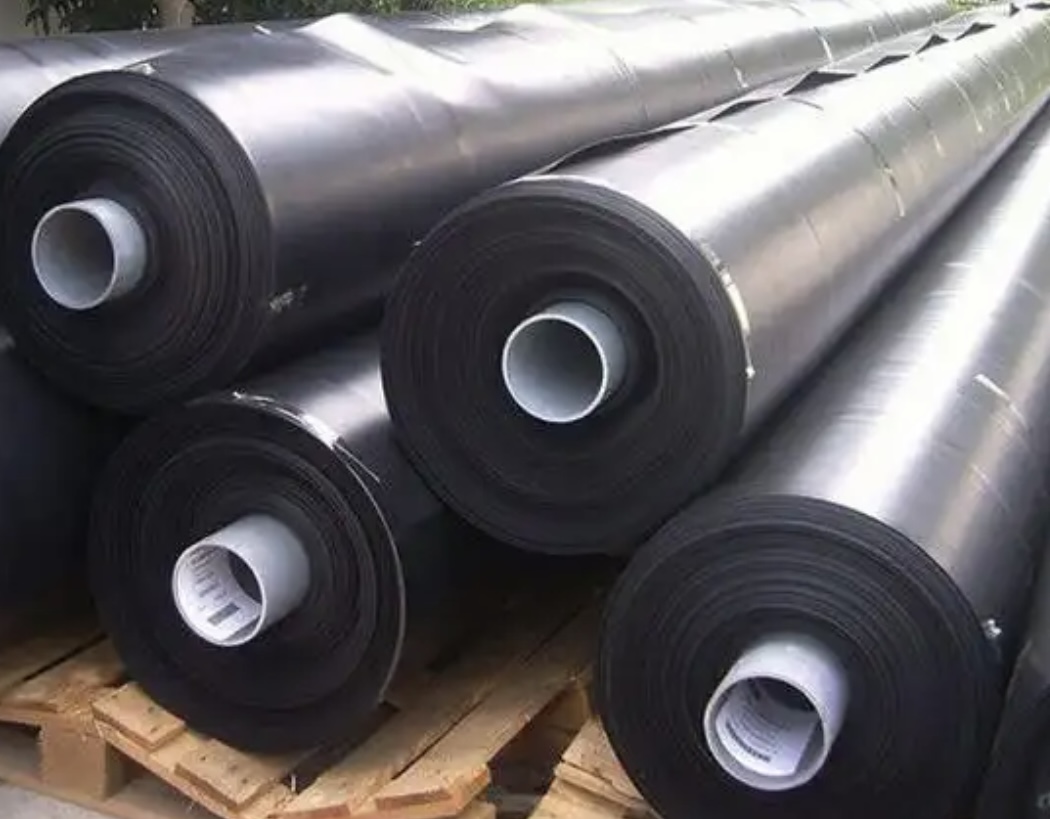
Smooth HDPE geomembrane has a relatively flat surface on both sides. It is suitable for many pond bottoms and general containment applications where the project design does not require additional interface friction.
Its relatively simple surface structure also makes it a common option for standard pond lining systems.
Textured HDPE Geomembrane
Textured HDPE geomembrane has a roughened surface designed to improve friction between the liner and adjacent materials.
It may be considered for pond slopes or projects where interface stability is an important design factor. However, the correct surface type will depend on slope angle, soil characteristics, covering materials, and engineering requirements.
Textured and smooth geomembranes should not be treated as interchangeable products. Buyers should confirm the surface requirements before placing an order.
Should You Use a Geotextile Under HDPE Pond Liners?
A geotextile underlay provides an additional protective layer between the geomembrane and the prepared ground.
It is particularly relevant when the subgrade contains coarse particles, irregular surfaces, or other potential sources of mechanical damage.
The selection of geotextile should consider its weight, thickness, puncture resistance, and compatibility with the geomembrane system. The project designer should determine whether an underlay is necessary and specify its properties.
A geotextile layer will not eliminate the need for proper subgrade preparation. Stones, roots, and sharp debris must still be removed before installation.
Why Are Welding and Seam Quality Important?
An HDPE pond liner system relies on properly connected geomembrane panels. Even when the selected thickness is appropriate, poorly executed seams may create leakage risks.
Hot wedge welding and extrusion welding are commonly used in geomembrane installation. The appropriate method depends on the joint design, material, site conditions, and installation requirements.
The Geosynthetic Institute's GRI-GM32 standard practice for geomembrane seaming using data acquisition hot wedge welding devices provides technical guidance on hot wedge welding procedures.
For quality evaluation, two relevant ASTM practices include ASTM D5820, which covers pressurized air channel evaluation of dual-seamed geomembranes, and ASTM D5641/D5641M, which covers geomembrane seam evaluation by vacuum chamber.
The inspection method should match the seam design and project specifications. Buyers should confirm the installation and inspection requirements before construction begins.
What Should Buyers Confirm Before Ordering HDPE Pond Liners?
Before purchasing an HDPE pond liner, buyers should confirm several important details to avoid specification mismatches.
| Item | Information to Confirm |
|---|---|
| Thickness | Required thickness based on pond design and site conditions |
| Surface | Smooth or textured |
| Material | HDPE geomembrane material requirements |
| Roll Width | Available width and installation layout |
| Roll Length | Required roll length and total project coverage |
| UV Resistance | Suitability for the expected exposure conditions |
| Installation | Welding method and seam inspection requirements |
| Protection | Whether geotextile underlay or additional protection is required |
Providing these details during the quotation process will help suppliers recommend a more suitable product configuration and reduce unnecessary specification changes.
Conclusion
Choosing the right HDPE pond liner thickness requires more than comparing product specifications. Pond depth, soil conditions, slope design, installation methods, and long-term operating conditions all influence the final selection.
For small fish ponds, thinner geomembranes may be considered when the ground is properly prepared and the project requirements allow them. Commercial aquaculture ponds and more demanding containment projects will require a more careful evaluation of thickness, surface structure, and protective measures.
Jinsimai supplies HDPE geomembrane options for fish ponds, shrimp farms, and other containment applications. Explore our HDPE geomembrane for fish pond product page to review available options, or visit the Jinsimai website for additional product information.
For project-specific requirements, contact Jinsimai with your pond dimensions, required thickness, and application details.
References
- Geosynthetic Institute. GRI-GM13: Standard Specification for Test Methods, Test Properties and Testing Frequency for HDPE Smooth and Textured Geomembranes.
- Geosynthetic Institute. GRI-GT12(a): Standard Specification for Nonwoven Geotextiles Used as Protection or Cushioning Materials.
- Geosynthetic Institute. GRI-GM32: Standard Practice for Geomembrane Seaming Using Data Acquisition Hot Wedge Welding Devices.
- ASTM International. ASTM D5820: Standard Practice for Pressurized Air Channel Evaluation of Dual-Seamed Geomembranes.
- ASTM International. ASTM D5641/D5641M: Standard Practice for Geomembrane Seam Evaluation by Vacuum Chamber.