TPO Roofing Membrane: How to Choose the Right Waterproofing Membrane
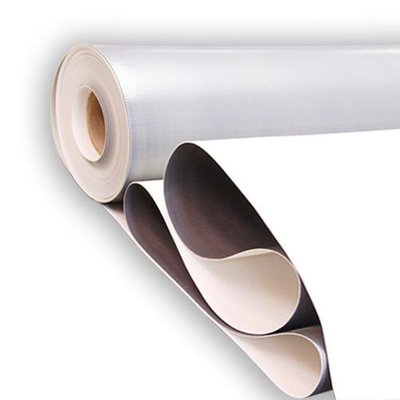
TPO roofing membrane has become a common option for commercial and industrial low-slope roofs because it combines a flexible thermoplastic sheet with heat-welded seams. TPO stands for thermoplastic polyolefin, and the material is designed for use as a single-ply roofing membrane exposed to weather.
For building owners, contractors, and material buyers, however, choosing a TPO membrane roof is not simply a matter of selecting the cheapest sheet. Membrane thickness, reinforcement, weather exposure, welding quality, roof design, and installation conditions all influence the performance of the completed roofing system.
What Is a TPO Roofing Membrane?
A TPO roofing membrane is a flexible thermoplastic sheet used as a waterproofing layer on low-slope roofing systems. According to the ASTM D6878/D6878M Standard Specification for Thermoplastic Polyolefin-Based Sheet Roofing, TPO sheets are intended for single-ply roofing and are designed to be reinforced and capable of being heat welded, fused, or otherwise joined to form watertight field seams.
This heat-welding capability is one of the most important characteristics of TPO. Unlike some roofing materials that rely mainly on adhesives or tapes, adjacent TPO sheets can be joined through controlled heating. The result is a continuous seam when the welding process is properly performed.
From a practical procurement perspective, this means the membrane itself is only one part of the system. The roof deck, insulation, fasteners or adhesive, flashing, drainage details, penetrations, and field seams all need to be considered together.
The NRCA (National Roofing Contractors Association) provides industry guidance covering membrane roof materials, system configurations, and installation considerations for low-slope roofing.
How Does Heat Welding Work for TPO Membranes?
The term heat-welded membrane describes an important part of TPO roof installation. Thermoplastic materials can soften when heated, allowing two membrane surfaces to fuse together. After cooling, the welded area forms a continuous connection.
The National Roofing Contractors Association's guidance on field testing single-ply roof seams highlights the importance of checking seam integrity in thermoplastic roofing systems.
In actual projects, welding quality depends on more than simply setting a hot-air welding machine to a particular temperature. Membrane formulation, sheet thickness, welding speed, equipment condition, substrate conditions, and weather can all influence the result.
This is one reason experienced installers pay close attention to seams, corners, penetrations, and transitions. A visually acceptable seam should still be properly checked according to the applicable installation requirements.
For buyers, it is therefore useful to ask manufacturers about recommended welding procedures and whether technical documentation is available for the specific membrane being supplied.
Key Factors When Choosing a TPO Roofing Membrane
1. Membrane Thickness and Reinforcement
TPO membranes are available in different thicknesses and constructions. Thicker does not automatically mean better for every roof, but membrane thickness should match the expected service conditions and project requirements.
Reinforcement is also important because it contributes to dimensional stability and mechanical performance. ASTM D6878/D6878M includes requirements and test methods related to properties such as thickness, breaking strength, elongation, tearing strength, weather resistance, and factory seam strength.
When comparing quotations, buyers should therefore look beyond the price per square meter and compare the actual membrane construction and declared technical properties.
2. Weather and Solar Exposure
A roof membrane is continuously exposed to sunlight, temperature changes, rain, wind, and other environmental conditions. For this reason, weather resistance should be considered when selecting a TPO roof membrane.
The U.S. Department of Energy's Guidelines for Selecting Cool Roofs identifies TPO as one of the single-ply membrane options commonly used for low-slope roofs and discusses the role of reflective roof surfaces in reducing solar heat gain.
For buildings in hot climates, a light-colored or reflective TPO surface may be considered where it fits the overall roof design and project requirements. However, solar reflectance should not be treated as the only selection criterion.
3. Heat-Welded Seam Quality
For a heat-welded TPO membrane, seam performance is critical. Poor welding can create weak points even when the membrane material itself meets its specified requirements.
The Cool Roof Rating Council's information on low-slope roofing product types explains the characteristics of common low-slope roofing materials, including thermoplastic membranes such as TPO.
From an industry perspective, seam preparation and workmanship deserve as much attention as the membrane specification. The welding temperature and speed should follow the membrane manufacturer's recommendations, and completed seams should be inspected using the appropriate method.
4. Roof Design and Installation Conditions
A TPO membrane should be selected as part of a complete roof system rather than as an isolated material. Drainage, insulation, vapor control, fasteners, adhesives, flashing, and penetrations all affect the finished system.
The Roofing Contractors Association of British Columbia's TPO Roof Systems Standard addresses membrane composition, thickness, selection, and system requirements, demonstrating why membrane selection should be considered together with the overall roof assembly.
For procurement teams, it is useful to provide the manufacturer with project information such as roof area, substrate, insulation type, required membrane thickness, climate, attachment method, and expected installation conditions.
Comparing Common TPO Membrane Options
| Selection Factor | What to Check | Why It Matters |
|---|---|---|
| Membrane thickness | Available thickness and project requirements | Affects durability and system specification |
| Reinforcement | Scrim or reinforced construction | Supports dimensional and mechanical performance |
| Surface color | White, light, or other approved colors | May influence solar reflectance |
| Seam method | Hot-air welding requirements | Critical for watertight field joints |
| Weather exposure | UV, temperature, and climate conditions | Helps determine suitable membrane construction |
| Installation | Adhered, mechanically attached, or system-specific method | Must match roof design |
The table should be treated as a procurement checklist rather than a substitute for project specifications.
TPO Roofing Membrane vs. Other Single-Ply Membranes
TPO is one of several single-ply roofing materials used for low-slope roofs. PVC is another thermoplastic membrane that can use heat-welded seams, while EPDM is a thermoset rubber membrane generally using different seam technologies.
The choice should depend on the building, climate, roof design, installation method, and project requirements rather than assuming one material is universally better.
For buyers comparing TPO membrane roofing products, the most useful approach is to compare verified technical data and system compatibility rather than relying only on general marketing claims.
Conclusion
A TPO roofing membrane can provide a practical waterproofing solution for many commercial and industrial low-slope roofs. Its heat-welded seam technology is one of its key advantages, but the quality of the finished system depends on membrane construction, welding workmanship, roof design, and installation conditions.
When selecting a TPO membrane roof, buyers should compare thickness, reinforcement, weather exposure, welding requirements, and complete system compatibility. For projects requiring a TPO waterproofing membrane, discussing the roof structure and installation conditions with the manufacturer before ordering can help avoid specification problems and improve long-term project value.
References
1.ASTM International. ASTM D6878/D6878M — Standard Specification for Thermoplastic Polyolefin-Based Sheet Roofing.
2.National Roofing Contractors Association. The NRCA Roofing Manual: Membrane Roof Systems.
3.National Roofing Contractors Association. Field Testing Single-Ply Roof Seams.
4.U.S. Department of Energy. Guidelines for Selecting Cool Roofs.
5.Roofing Contractors Association of British Columbia. TPO Roof Systems Standard.