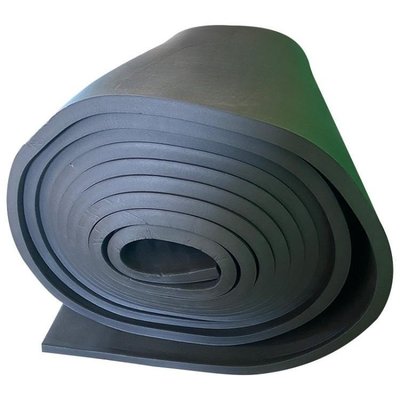
Rubber Plastic Board – Closed-cell NBR/PVC Foam for HVAC Cold Insulation & Anti-condensation, B1 Flame Retardant, Waterproof & Soundproof
1. Product Overview
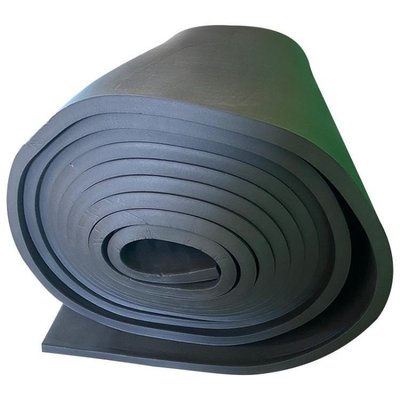
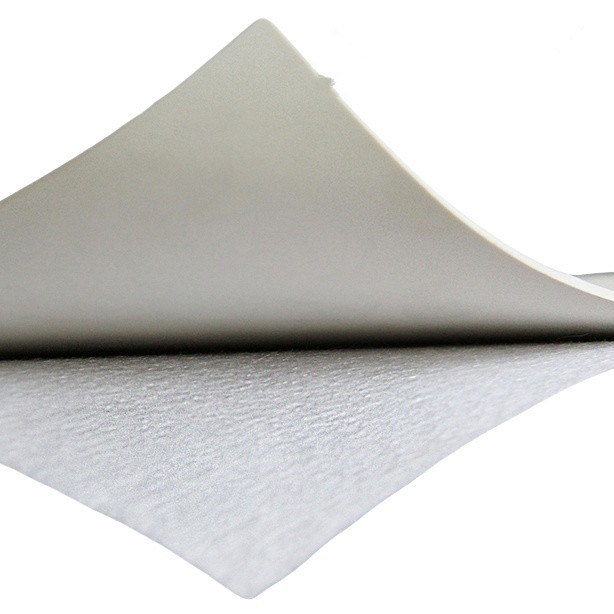
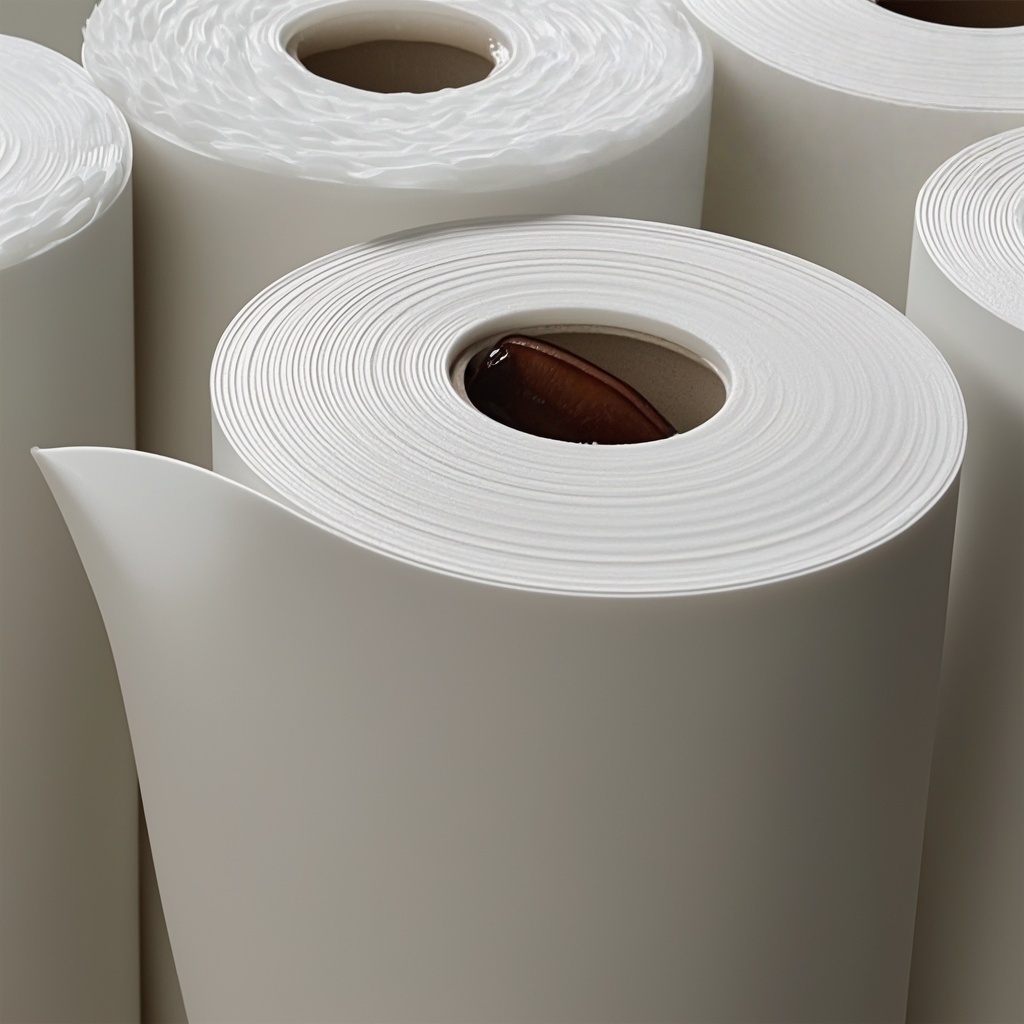
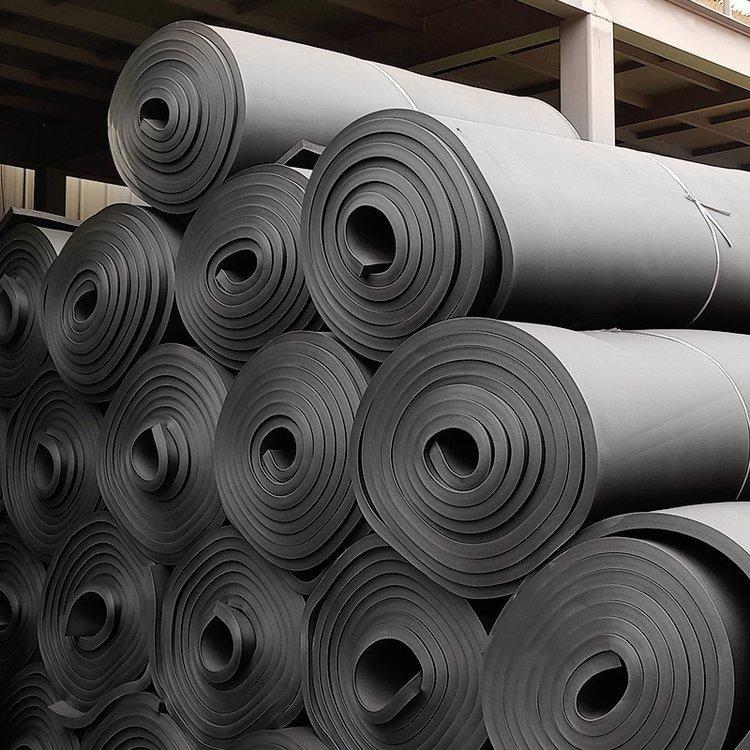
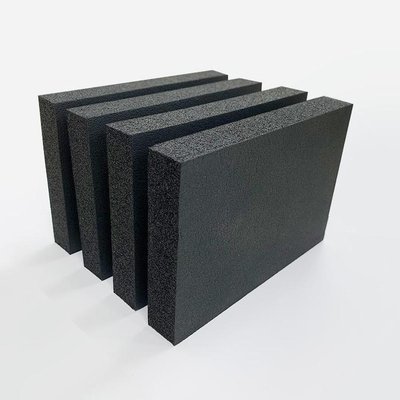
Rubber Plastic Board is a high-performance closed-cell NBR/PVC foam insulation material featuring high-density independent cellular structure and low-VOC, fluorine-free eco-friendly formulation. It delivers stable physical stability, excellent waterproof performance, airtightness and long-term weather resistance. Fully compliant with RoHS 2.0 environmental directives, the product supports CNAS/CMA third-party testing, meeting global environmental access and engineering acceptance standards. Versatile in function, it integrates thermal & cold insulation, anti-condensation, waterproofing and sound & vibration reduction. Widely applied in HVAC duct insulation, building sound insulation, industrial equipment thermal preservation and pipeline anti-corrosion insulation, it serves as an essential, cost-effective basic material for building energy conservation, industrial refrigeration and electromechanical installation projects.
2. Core Product Features
Ultra-wide Temperature Adaptability for Complex Working Conditions Premium rubber plastic foam maintains stable structural and physical performance across a wide temperature range of -40℃ to 105℃, withstanding short-term peak temperatures up to 120℃. It avoids low-temperature embrittlement and cracking, as well as high-temperature softening and deformation. Fully adaptable to year-round variable environments, it meets strict cold insulation demands for low-temperature cold storage and HVAC refrigerant pipelines, as well as conventional thermal insulation requirements for indoor electromechanical and industrial equipment.
Closed-cell Structure for High-efficiency Thermal Insulation & Energy Saving The dense independent closed-cell structure effectively locks static air, maintaining ultra-stable low thermal conductivity at ambient temperature. It significantly blocks cold and heat exchange, reduces energy consumption of air conditioning, HVAC and refrigeration systems, and eliminates surface condensation, dripping and pipeline corrosion. Delivering continuous energy-saving benefits, it is an ideal insulation solution for modern low-carbon building renovation and energy efficiency upgrading projects.
Excellent Sound Insulation & Vibration Damping Performance The elastic closed-cell matrix efficiently absorbs sound wave energy and mechanical vibration, weakening airborne noise transmission and structural resonance. It effectively reduces low-frequency equipment noise and indoor ambient noise. With a compression resilience rate ≥30% (tested per ASTM D1056), it provides outstanding buffering and vibration damping capacity, widely used for wall & ceiling sound insulation, equipment room noise reduction and electromechanical pipeline shock absorption to improve building comfort and equipment operational stability.
Dense Closed-cell Structure for Superior Waterproof & Moistureproof Performance The integrated seamless closed-cell structure achieves ultra-low volumetric water absorption ≤0.5%. It provides excellent barrier performance against water, water vapor and dust, effectively resisting moisture infiltration, rain erosion and corrosive media. The material remains free from mildew, swelling and structural deterioration during long-term service, perfectly suited for high-humidity scenarios including humid regions, underground equipment rooms, outdoor facilities and kitchen & bathroom pipeline systems.
Eco-friendly, Low-smoke & Export-certified Safety Adopting fluorine-free and low-VOC green formulation with no hazardous restricted substances, the product passes EU RoHS 2.0 certification with multiple harmful substances reaching non-detectable levels. Featuring low smoke density (compliant with GB/T 8627) and low-toxic combustion performance, it meets international fire protection and green building standards. Supported by CE certification, it fully adapts to high-end engineering and global export market access requirements.
Superior Weather Resistance & Extended Service Life The material boasts excellent UV resistance, oxidation resistance and acid-base corrosion resistance, adapting to outdoor exposure, alternating temperature changes and complex humid environments. Verified by 500-hour UVA-340 QUV accelerated aging tests, it retains over 80% of core mechanical properties including tensile strength and elongation after long-term service, with no cracking or pulverization. It achieves a stable service life of 10–20 years under conventional outdoor working conditions.
Fiber-free Design & User-friendly Processing As a homogeneous fiber-free foamed material, it produces no floating dust or irritating fibers during construction, ensuring a safe and comfortable working environment. It supports free cutting and flexible bending to fit irregular and special-shaped substrates without complicated secondary processing. It completely avoids common defects of fiber insulation materials such as dust emission and skin irritation, making it highly suitable for interior decoration, high-end renovation and fully enclosed indoor construction scenarios.
3. Standard Technical Specifications
Standard Thickness: 6mm, 10mm, 15mm, 20mm, 25mm, 30mm (custom thickened sizes available) Standard Dimensions: 1000mm×2000mm, 1200mm×2000mm Operating Temperature Range: -40℃~105℃ (short-term peak resistance up to 120℃) Thermal Conductivity: ≤0.038 W/(m·K) @ 25℃ mean temperature Flame Retardant Grade: B1 Flame Retardant (GB/T 8624 B1 standard; compliant with ASTM E84 Class 1) Closed-cell Rate: ≥90% (ASTM D2856 / GB/T 10799) Volumetric Water Absorption: ≤0.5% Water Vapor Resistance Factor: ≥10000 μ Compression Resilience Performance: Compression set ≤30% under 25% compression for 24h (ASTM D1056) Structural Characteristics: High-density closed-cell, waterproof, high resilience, fiber & dust free Environmental Compliance: RoHS 2.0, CE certified, low VOC, fluorine-free, low smoke density Core Functional Advantages: NBR/PVC thermal & cold insulation, HVAC duct & pipeline insulation, sound & vibration reduction, waterproof & moistureproof, weather durable, easy installation
4. Main Application Scenarios & Material Selection Guide
Material Selection Note: Rubber plastic board and fiber insulation materials (rock wool, glass wool) are functionally complementary. Rubber plastic board is preferred for scenarios requiring high moisture resistance, flexible fitting and low-temperature cold preservation, including air conditioning systems, cold storage and humid indoor environments. Rock wool and glass wool apply to working temperatures above 200℃ and mandatory A1 fire-blocking & high-temperature external wall insulation projects. Material selection can be customized according to project temperature, fire rating and moisture resistance requirements.
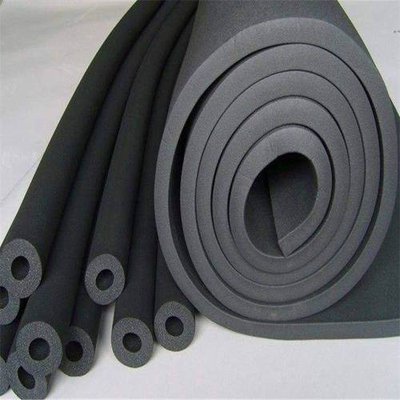
HVAC & Refrigeration Engineering:Ideal for cold and thermal insulation of HVAC ducts, central air-conditioning piping, refrigeration units, cold storage equipment and heat exchangers. Match it with Rubber and Plastic Pipe for a complete HVAC insulation solution.It effectively eliminates condensation dripping and pipeline corrosion, reduces system energy consumption, and serves as the mainstream high-performance NBR/PVC insulation material for commercial HVAC and industrial refrigeration projects.
Building Construction & Interior Decoration: Applied to sound insulation and vibration reduction of interior partition walls, ceilings and roofs, as well as wall thermal & moisture insulation. It balances indoor temperature, reduces ambient noise, and meets energy-saving and acoustic requirements for residential buildings, hotels, office buildings, shopping malls and various commercial architectures.
Industrial Equipment & Pipeline Systems: Widely used for thermal insulation, waterproof protection and anti-corrosion cladding for industrial water supply pipelines, process piping and equipment outer surfaces. As a professional pipe insulation wrap, it resists workshop humidity and mild acid-base corrosion, stabilizes equipment operating temperature and slows down temperature-difference ageing.
Mechanical & Electrical Noise Reduction Projects:Suitable for vibration damping and noise reduction paving in pump rooms, fan rooms and electromechanical equipment rooms. It suppresses low-frequency vibration and noise diffusion, improves the mute level of mechanical spaces, and meets noise control acceptance standards for commercial and industrial projects.
Marine, Cold Chain & Special Working Conditions:With outstanding low-temperature stability, moisture resistance and corrosion resistance, it adapts to cabin insulation, cold storage thermal preservation and enclosed high-humidity equipment protection, perfectly serving special scenarios with large temperature differences and persistent humidity.
5. Installation Guidelines
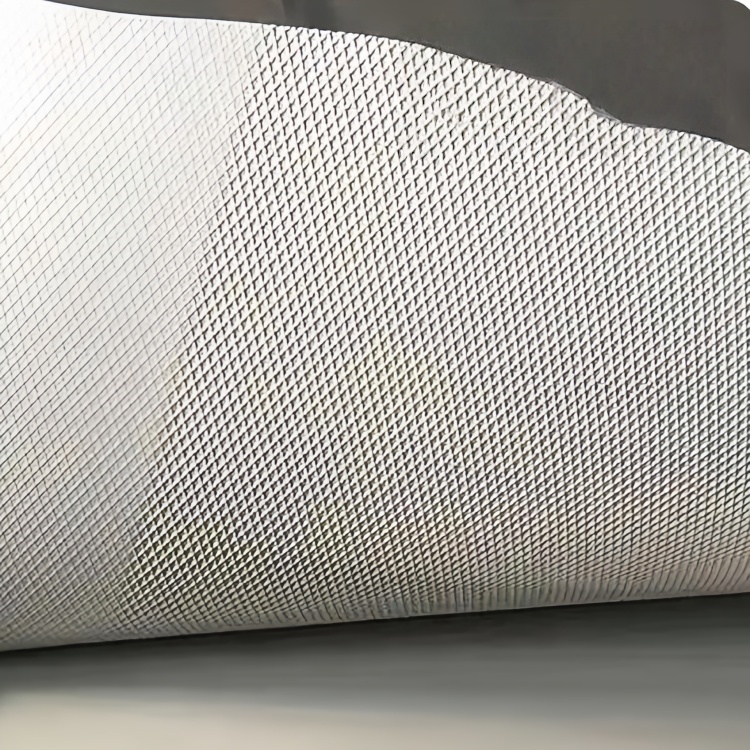
Construction Overview Featuring soft texture and excellent flexibility, rubber plastic boards support diverse construction methods including surface paving, interlayer filling, equipment wrapping, wall sound insulation bedding and pipeline cladding. The material can be directly bonded to boards, air ducts and equipment surfaces with dedicated adhesive. Self-adhesive options are available for faster installation on flat surfaces and regular pipelines. The entire process requires no heavy machinery, suitable for both new construction and renovation projects.
Key Installation Precautions Substrate Treatment: Ensure construction surfaces are dry, dust-free and oil-free to guarantee firm adhesion, avoid warping or detachment, and maintain complete thermal insulation and airtight performance. Splicing & Lapping: Adopt staggered lapping for board joints with tight fitting. Fill all gaps with professional sealant to prevent cold leakage and sound penetration and enhance overall airtightness. Moisture Protection: For long-term outdoor, high-humidity and condensation-prone environments, additional waterproof layers or aluminum foil facing are recommended to upgrade weather resistance and waterproof durability. Standard Cutting & Bonding: Cut precisely with utility knives and straight rulers to ensure flat, burr-free notches for tight fitting. Only use matched professional rubber plastic adhesive; organic solvent adhesives are prohibited to avoid foamed substrate corrosion and damage.
Technical Support & Customization We provide standard construction PDF guidelines and installation manuals to support standardized batch construction and unified project quality. Custom solutions including special thicknesses, aluminum foil facing, flame retardant upgrading and self-adhesive backing are available to meet diverse engineering and OEM customization demands.
6. Packaging, Logistics & Purchasing Terms
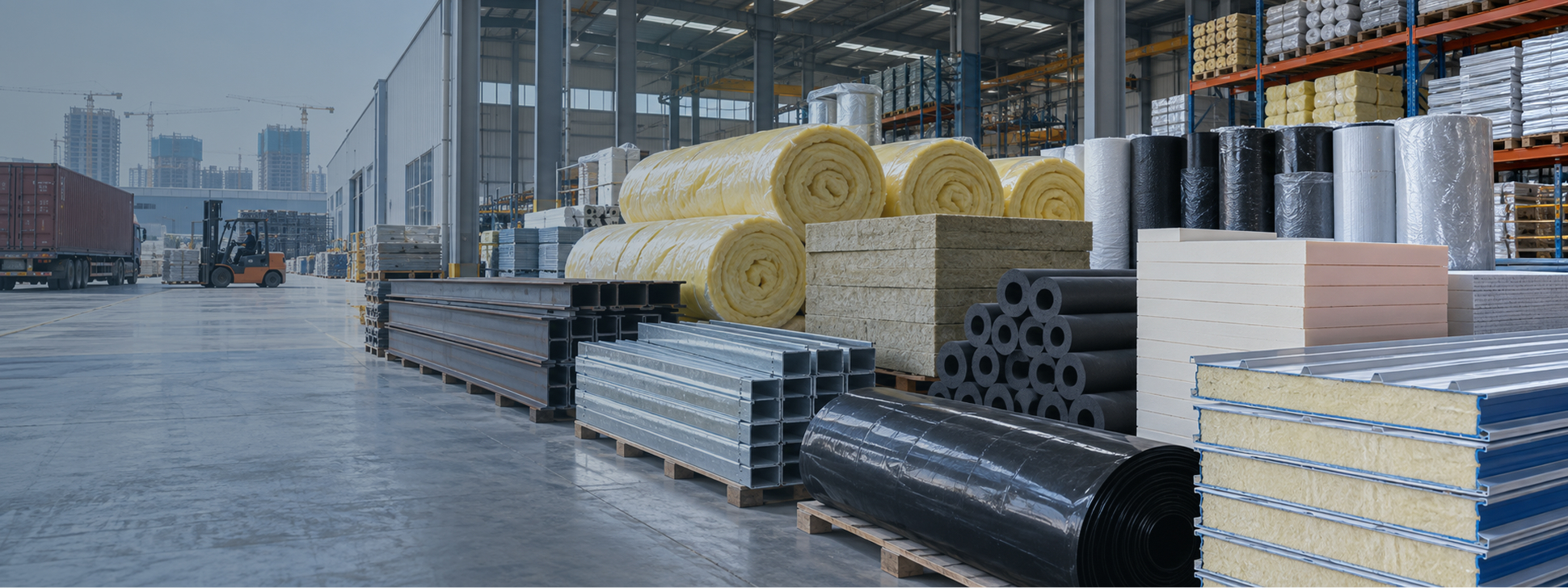
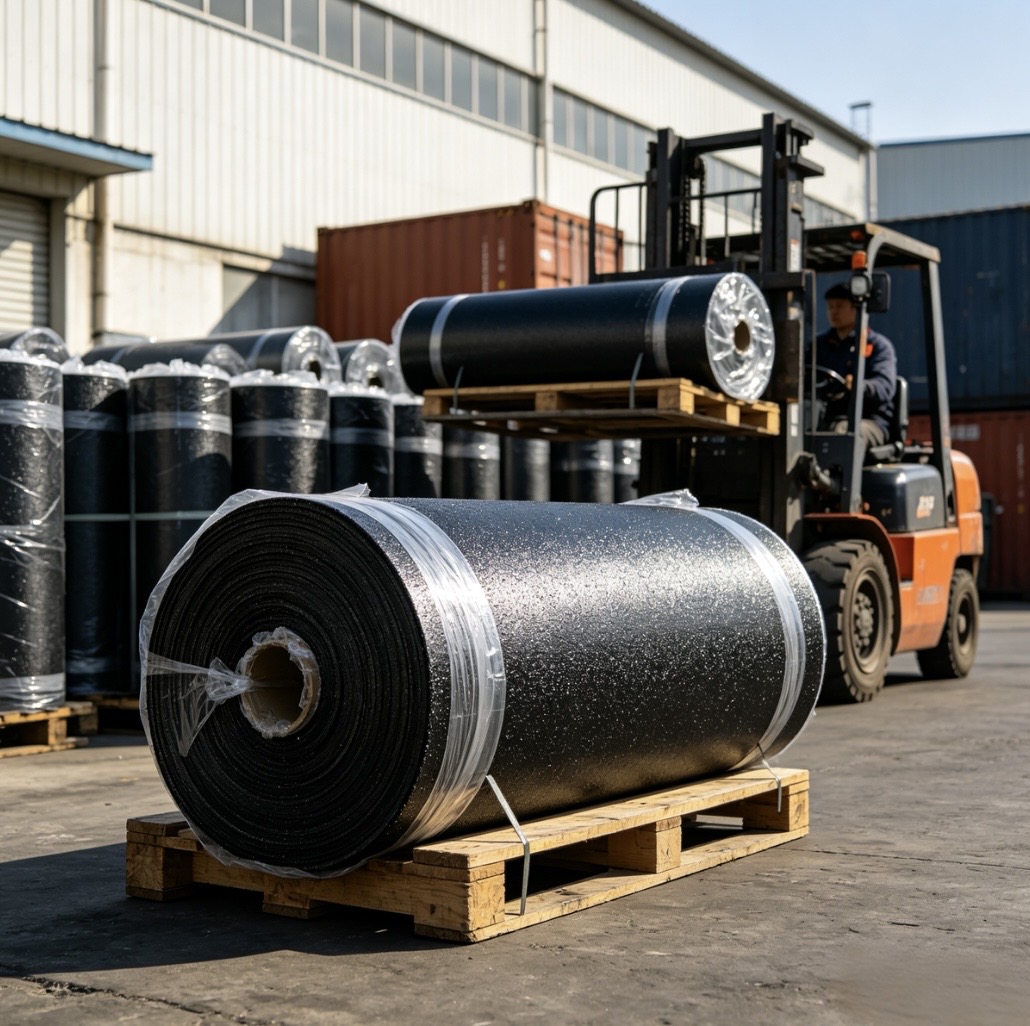
Adopting export-grade layered packaging with inner moisture-proof bags, middle carton protection and outer pallet winding film reinforcement, the products are well protected against moisture, pressure and abrasion during long-distance sea and land transportation. Standard pallets feature neat stacking and strong bearing capacity, with 50 pieces of 20mm boards per pallet. Full container, LCL and bulk shipment are supported with stable and cost-effective logistics solutions.
Purchasing Policy: The MOQ for regular in-stock specifications is one pallet, supporting small-batch sampling, bulk project procurement and long-term cooperative orders. Custom thicknesses, flame retardant upgrades, foil-faced and self-adhesive versions have negotiable MOQ and lead time. We provide complete CE, RoHS, factory test reports and environmental certification documents to support global customs clearance and project acceptance.
Quality Warranty: Under standard working conditions and professional construction, we offer a 5–10 year quality warranty according to specific application scenarios, ensuring stable thermal insulation, waterproof and vibration-damping performance and effectively reducing later maintenance costs.
7. FAQ
Q1: What are the core differences between rubber plastic boards and rock wool boards? A1: The two materials are functionally complementary rather than superior to one another. Rubber plastic board is a closed-cell elastic NBR/PVC insulation material featuring excellent waterproofing, flexible fitting, low-temperature cold preservation and dust-free mute performance, ideal for HVAC, cold storage, indoor sound insulation and humid environments. Rock wool excels in A1 fire resistance and high-temperature insulation, suitable for working temperatures above 200℃ and mandatory fire-blocking projects. Material selection depends on actual project temperature, fire rating and moisture resistance requirements.
Q2: Will rubber plastic boards absorb moisture, get moldy or lose performance? A2: Qualified rubber plastic boards adopt integrated closed-cell structure with ultra-low water absorption. It remains mildew-proof and performance-stable in conventional indoor and ventilated humid environments. Additional external waterproof protection is required for long-term water immersion scenarios.
Q3: Is it suitable for air conditioning and cold storage cold preservation? A3: Yes. The material maintains stable low-temperature toughness without embrittlement or deformation at -40℃. With constant low thermal conductivity, it effectively reduces cold loss and eliminates condensation, making it an ideal insulation solution for central air conditioning systems and cold storage projects.
Q4: Is the product exportable and environmentally compliant? A4: Yes. Adopting eco-friendly fluorine-free formulation, the product passes CE and RoHS 2.0 certification with complete third-party test reports. Featuring low smoke and low-toxic performance, it fully meets market access standards for Europe, America, Southeast Asia and other overseas regions.
Q5: Are customized sizes and facing styles available? A5: Full-range customization is supported, including special thicknesses, aluminum foil facing, flame retardant upgrading, high-density modification and self-adhesive backing, to meet requirements of high-end projects, export orders and special working conditions.
Q6: What is the difference between rubber plastic boards, rubber plastic foam and NBR/PVC thermal insulation materials? A6: All names refer to the same NBR/PVC foamed insulation substrate. Our products adopt high-density closed-cell foaming technology, featuring higher compression resistance, more stable resilience and higher closed-cell ratio than ordinary rubber plastic foam. With superior moistureproof and thermal insulation performance, it is a professional engineering-grade material for medium and large-scale long-term insulation projects.
8. Product Summary
Rubber Plastic Board is a high-performance multi-functional closed-cell NBR/PVC foam material that solves the common defects of traditional insulation materials such as high water absorption, poor sound insulation, weak weather resistance and complicated construction. It integrates HVAC duct & pipeline insulation, cold & thermal preservation, waterproof & moistureproof, sound & vibration reduction, low-smoke fire safety and environmental compliance into one single material. Widely applicable for HVAC refrigeration, building decoration, industrial equipment, equipment room noise reduction, marine and cold chain engineering, it features flexible installation, optional self-adhesive design and high cost performance. Fully compliant with global export standards with customizable specifications, it supports both small-batch sampling and large-scale bulk procurement, serving as a preferred high-performance polymer insulation material for global building energy renovation, electromechanical insulation, sound insulation and moistureproof engineering projects.