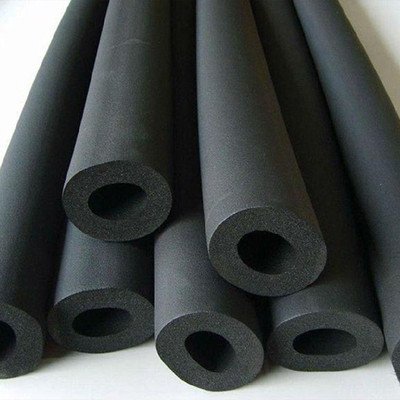
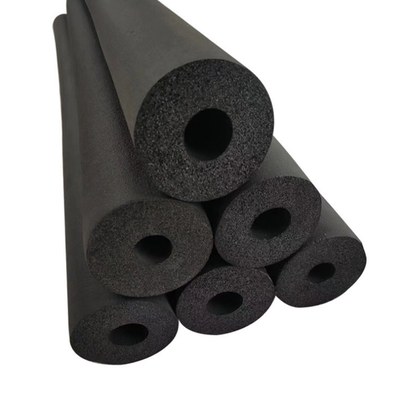
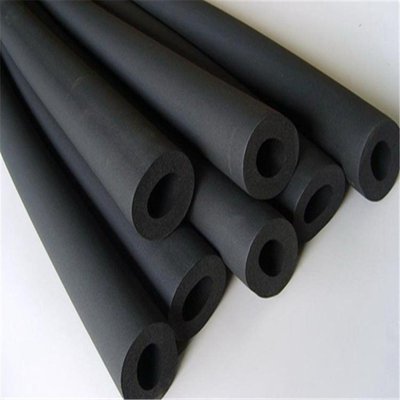
NBR/PVC Rubber Foam Pipe Insulation for HVAC and Refrigeration
Jinsimai rubber pipe insulation is a flexible thermal insulation material made from NBR/PVC foam, designed for HVAC, refrigeration, air conditioning, and suitable industrial piping systems. Its closed-cell structure helps reduce heat transfer and control condensation when properly selected and installed. The flexible material can accommodate different pipe configurations, making it practical for a range of commercial and industrial insulation projects. Jinsimai supplies rubber foam pipe insulation in different sizes and thicknesses according to product availability and project requirements.
Key Features of Rubber Foam Pipe Insulation
Thermal Insulation Performance
Rubber foam pipe insulation helps reduce unwanted heat gain or heat loss in piping systems. Its thermal performance depends on the material specifications, insulation thickness, operating temperature, and installation quality. Selecting the right insulation helps support energy efficiency and temperature control in HVAC and refrigeration applications.
Closed-Cell Structure for Condensation Control
The closed-cell structure of NBR/PVC foam helps limit moisture penetration through the insulation material. When the insulation thickness, joints, and vapor barrier details are properly designed, rubber pipe insulation can help reduce surface condensation on cold pipes. Correct installation is important for maintaining insulation performance over time.
Flexible Material for Easier Installation
Compared with rigid insulation products, flexible rubber foam can be easier to fit around pipework, bends, and connections in suitable applications. It can be used in piping layouts where flexibility and convenient installation are important. The appropriate product form and dimensions should be confirmed according to the actual installation requirements.
Sizes and Thickness Options
Different piping systems require different insulation dimensions. Jinsimai can discuss available sizes and thickness options based on the project specification. Buyers should provide the pipe outside diameter, operating temperature, installation environment, and required quantity to help identify a suitable product.
Technical Specifications
| Parameter | Available Range |
|---|---|
| Inner Diameter | 15 – 500 mm |
| Wall Thickness | 9 – 50 mm |
| Section Length | 1,000 – 2,000 mm |
| Density | 40 – 120 kg/m³ |
| Operating Temperature | –40°C to +105°C |
| Facing | Unfaced / aluminum foil / self-adhesive closure / non-woven fabric |
Applications of Rubber Pipe Insulation
HVAC and Air Conditioning
Rubber pipe insulation is commonly used on suitable HVAC and air-conditioning pipes to help reduce heat transfer and condensation. It can support chilled-water and refrigerant piping applications when the material specifications meet the system requirements.
Refrigeration and Cold Storage
In refrigeration and cold-storage systems, insulation helps limit heat entering cold pipes and supports condensation control. Insulation thickness, joint sealing, and vapor control should be considered together to maintain performance under low-temperature operating conditions.
Industrial Piping Systems
Suitable NBR/PVC foam insulation can be used on selected industrial utility and process pipes where its temperature range and other technical properties meet the operating conditions. Buyers should confirm chemical exposure, ambient conditions, and temperature requirements before selecting the material.
Rubber Insulation for Pipes: Product Selection and Supply
Choosing suitable rubber insulation for pipes requires more than checking the pipe diameter. Operating temperature, required insulation thickness, condensation risk, installation space, and local project standards all affect the final specification.
Jinsimai works with contractors, distributors, and engineering buyers sourcing insulation materials for commercial and industrial projects. To request a quotation, provide the pipe dimensions, required thickness, operating conditions, estimated order quantity, and any relevant technical specifications. Our team can review the information and confirm suitable available options.
Frequently Asked Questions
What is rubber pipe insulation made of?
This product page covers NBR/PVC foam insulation. The exact composition and available specifications should be confirmed using the product's technical documentation.
What is rubber foam pipe insulation used for?
It is used in suitable HVAC, air-conditioning, refrigeration, and industrial piping systems to help reduce heat transfer and control condensation.
How do I choose the correct insulation thickness?
The required thickness depends on pipe size, operating temperature, ambient humidity, condensation-control requirements, and applicable project standards. For demanding applications, use a verified thickness calculation or consult a qualified insulation professional.
Can Jinsimai supply different sizes of rubber pipe insulation?
Available sizes and thicknesses depend on the product range and manufacturing specifications. Provide your dimensions and project requirements so the available options can be confirmed.
What information should I provide when requesting a quotation?
Please provide the pipe outside diameter, operating temperature, application, required insulation thickness, order quantity, and any project-specific standards. These details help clarify the product requirements before ordering.
Request a Quote
Looking for rubber pipe insulation for an HVAC, refrigeration, or industrial piping project? Contact Jinsimai with your application details, required dimensions, and estimated quantity to discuss available specifications and request a quotation.