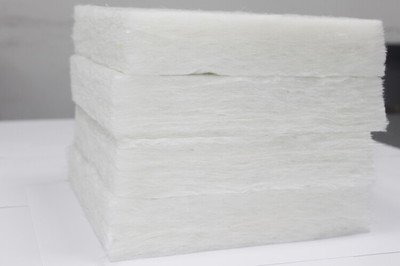
Formaldehyde-Free Glass Wool for Thermal and Acoustic Insulation
Product Overview
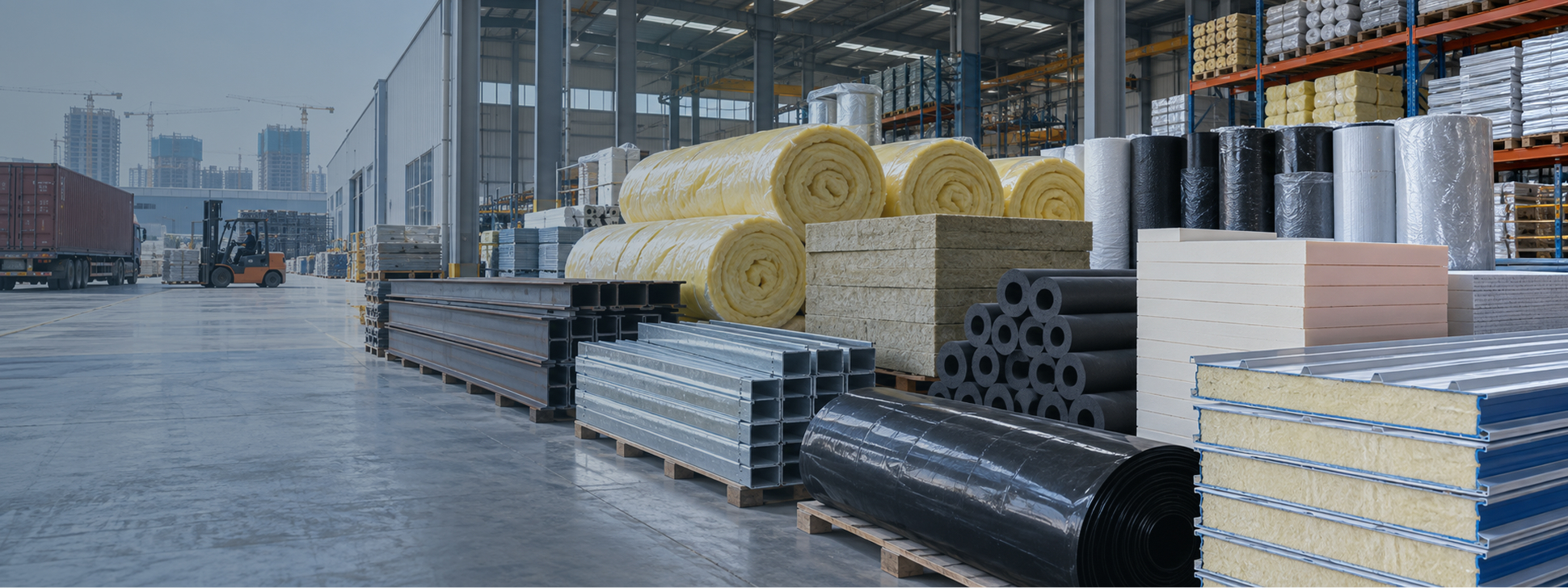
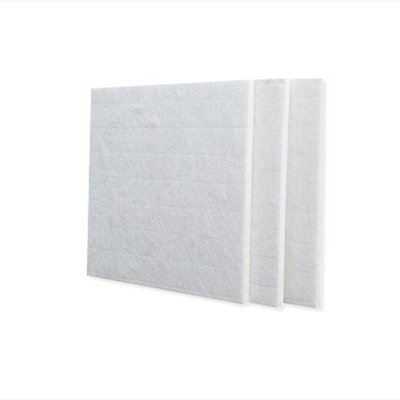
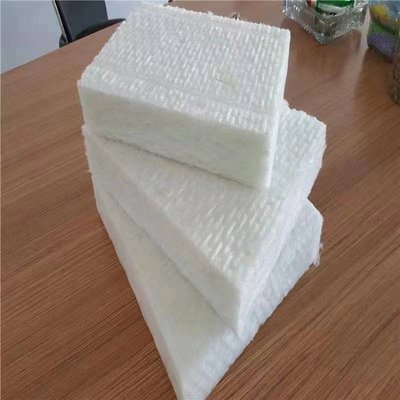
Formaldehyde-free glass wool is a thermal and acoustic insulation material manufactured from fine glass fibers bonded with a formaldehyde-free binder system. Unlike traditional glass wool that uses phenol-formaldehyde or urea-formaldehyde resins, this product eliminates formaldehyde emissions at the source.
The product addresses the growing demand for healthier indoor environments in residential, commercial, and institutional buildings. Its formaldehyde-free formulation improves indoor air quality and reduces installation irritation.
Typical applications include wall insulation, roof insulation, HVAC duct insulation, acoustic ceiling systems, and industrial equipment insulation where low-emission materials are required.
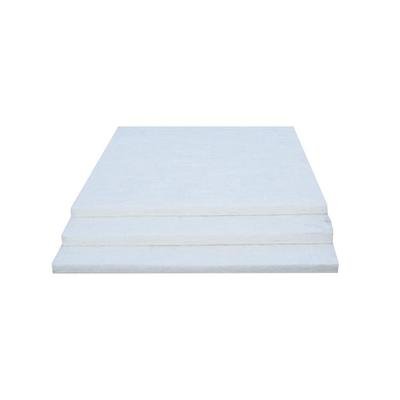
Available in densities from 10 kg/m³ to 80 kg/m³, thicknesses from 25 mm to 150 mm, and custom roll widths and lengths. Blanket, board, and pipe section forms are available. Our team reviews drawings solely to assess production feasibility and does not undertake engineering design or system selection.
Product Features
1. Formaldehyde-free binder system
The product adopts advanced formaldehyde-free binder system. This eliminates formaldehyde emissions that can affect indoor air quality and occupant health.
2. Thermal insulation
The glass fiber structure provides effective thermal insulation. Actual thermal performance depends on density, thickness, installation method, and complete system design.
3. Sound absorption
The porous fiber structure absorbs airborne sound energy and reduces reflected noise. Overall acoustic performance depends on product density, thickness, and installation conditions.
4. Lightweight and easy to install
The material is lightweight and flexible, allowing easy handling and cutting with standard insulation tools. Reduced irritation during installation improves worker comfort.
Available Facing Options
Formaldehyde-free glass wool can be supplied unfaced or with various factory-applied surface facings. Available options include:
| Facing Type | Description |
|---|---|
| Unfaced | Without additional surface facing; suitable for concealed assemblies |
| Aluminum Foil | Provides a reflective finished surface and helps protect the exposed surface |
| Non-woven Fabric | Provides a cleaner finished surface for visible indoor applications |
| Fiberglass Cloth | Provides a more durable surface for handling and exposed applications |
| Kraft Paper | Provides a paper-finished surface for selected building insulation applications |
Please specify the required facing type when submitting your inquiry.
Technical Specifications
The following table shows the available manufacturing range for formaldehyde-free glass wool. Final dimensions, density, facing, and packaging are confirmed according to order requirements and production feasibility.
| Parameter | Available Range |
|---|---|
| Density | 10 – 80 kg/m³ |
| Thickness | 25 – 150 mm |
| Width | 600 – 1,200 mm (custom available) |
| Roll / Board Length | Custom per order |
| Fiber Diameter | 5 – 8 μm |
| Service Temperature | Up to 250–350°C |
| Binder | Formaldehyde-free |
| Forms | Blanket / Board / Pipe Section |
Other dimensions may be available subject to production feasibility and minimum order quantity.
Applications
Formaldehyde-free glass wool is suitable for thermal and acoustic insulation across the following areas:
1. Building Insulation
Internal wall and partition cavity insulation
Ceiling and suspended ceiling insulation
Roof insulation
Prefabricated and metal building insulation
2. HVAC and Ductwork
Air conditioning duct insulation
Ventilation system thermal insulation
Equipment room acoustic treatment
3. Acoustic Applications
Sound-absorbing layers inside wall and ceiling assemblies
Studios, theaters, meeting rooms, and equipment rooms
Commercial and institutional buildings
4. Industrial Applications
Equipment and vessel insulation (operating temperature should be confirmed before ordering)
Industrial oven and kiln insulation (for reference only; high-temperature industrial scenarios require independent temperature assessment and confirmation by project engineers)
Customization and Packaging
Density, thickness, width, length, facing material, product labeling, and outer packaging are all configurable per order and finalized before production.
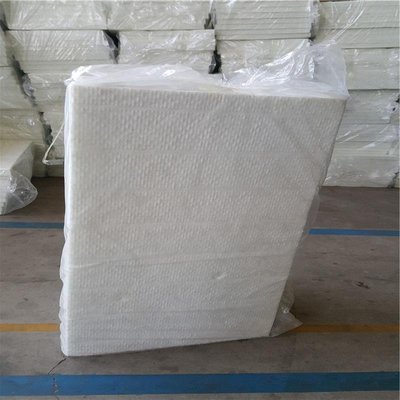
Products are packed in protective packaging according to their form and quantity. Container stowage plans are prepared per order to avoid transit damage and control freight costs.
MOQ: Quoted based on specifications and order volume
Sample availability: Material samples are available on customer's request
Production lead time: Determined by specifications and order size
Packaging: PE bag / Woven bag / final packaging arranged per order
OEM labeling: Offered upon request
FAQ
Q1. What does "formaldehyde-free" mean?
No formaldehyde is added to the binder during production. Compared with conventional glass wool using formaldehyde-containing binders, it reduces formaldehyde-related emission sources.
Q2. What density should I choose?
Density selection depends on thermal-acoustic demands and on-site conditions. Final specification must be confirmed by the project engineering team.
Q3. What forms are available?
Blanket (roll), board, and pipe section forms are available.
Q4. What is the MOQ?
Quoted based on density, thickness, and order volume. Contact us with specifications for confirmed MOQ.
Q5. Can facing be customized?
Yes. Unfaced, aluminum foil, non-woven fabric, fiberglass cloth, and kraft paper are available. Specify when ordering.
Request a Quote
Have project specifications and insulation requirements ready? Our technical team can review your documentation to assess production feasibility based on our shop capabilities.
To receive an accurate quotation, please provide:
Required density
Required thickness
Form (blanket / board / pipe)
Width and length requirements
Facing requirement
Quantity
Packaging requirement
Destination port
We will confirm the available specifications, pricing, production lead time, and estimated shipping arrangements based on your requirements.