Polyurethane Pipe Selection Guide: Ultra-Low Thermal Conductivity, B1 Flame Retardancy and Full-Scenario Application
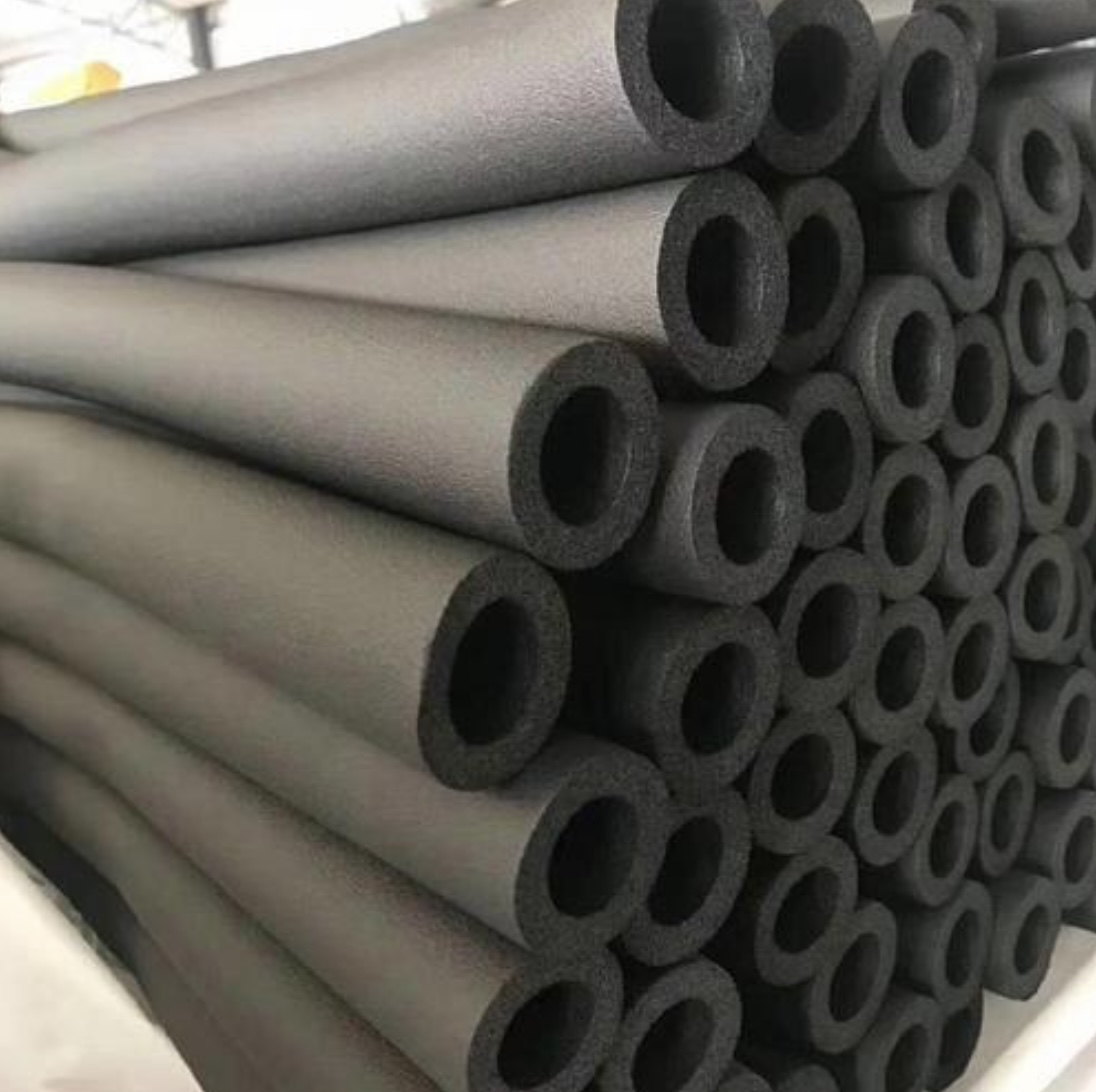
In building energy-saving projects, cold chain warehousing, industrial workshops, clean rooms and municipal pipe network systems, the performance of pipeline insulation materials directly governs overall energy consumption, operational safety and long-term equipment service life. Traditional insulation pipes are plagued by high thermal conductivity, weak moisture resistance and severe performance loss in low-temperature environments. In comparison, rigid polyurethane insulation pipes (PU/PIR foam pipes) feature ultra-low thermal conductivity, high-density closed-cell structure, outstanding fire resistance and robust mechanical strength, serving as high-efficiency, cost-saving pipeline insulation solutions for modern engineering.
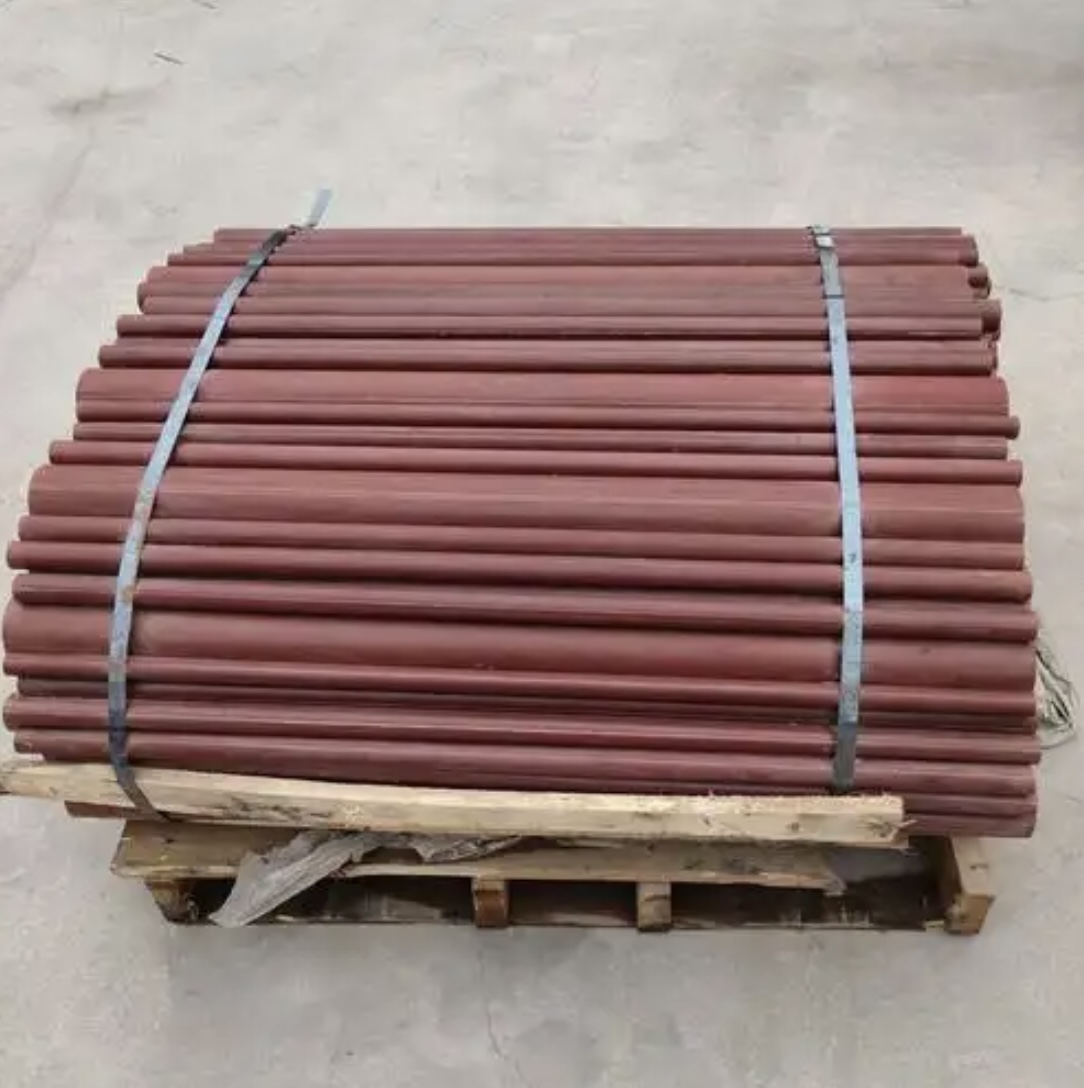
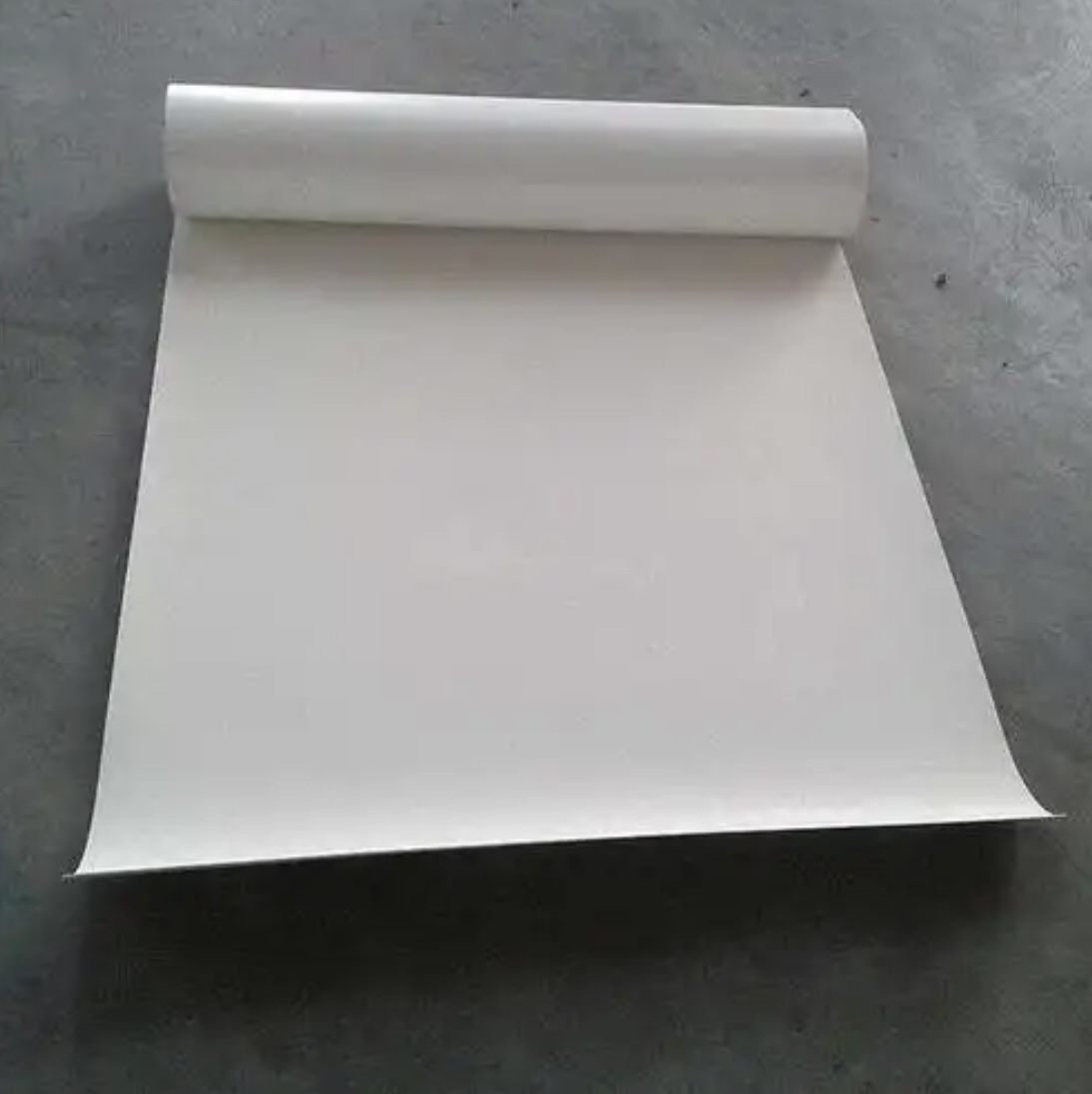
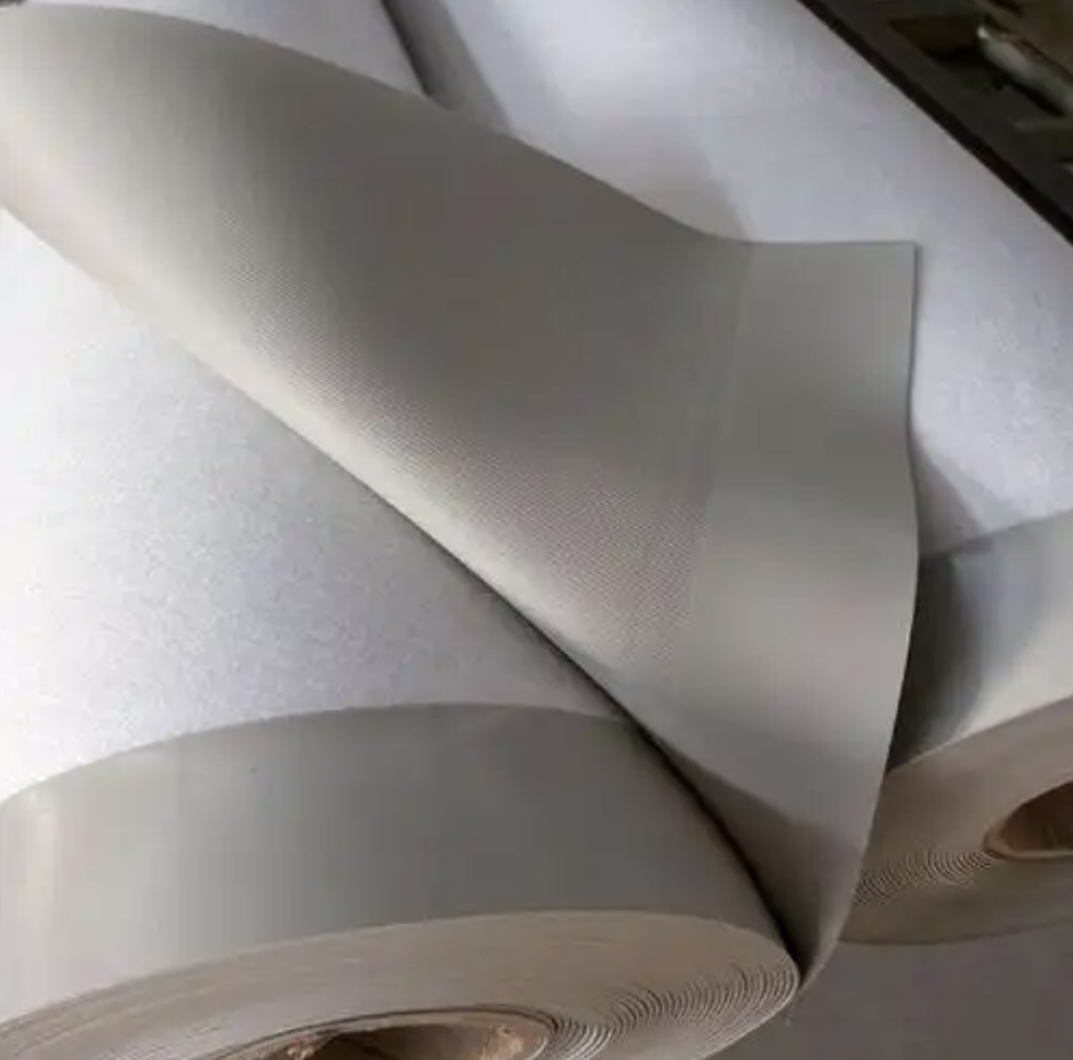
Our polyurethane insulation pipe series includes standard PU pipes, upgraded modified PIR pipes and multi-layer composite insulation pipes. All products are manufactured and tested in strict accordance with national standards GB/T 29047-2021, GB/T 21558-2008 and CJ/T 246-2018. The insulation layer features a standard density of 35–40 kg/m³, with intact independent micropores and a closed-cell rate above 90%. It combines thermal insulation, waterproof protection and pressure resistance in one single material, delivering far more comprehensive performance and environmental adaptability than conventional rock wool and polystyrene pipeline insulation.
1. Ultra-Low Thermal Conductivity Top-Tier Energy-Saving Performance
Thermal conductivity is the most critical metric for insulation efficiency, and polyurethane pipes outperform most mainstream insulation products on the global market. Standard rigid PU pipes maintain a stable thermal conductivity of 0.018–0.024 W/(m·K), while premium modified PIR pipes achieve even better thermal insulation results.
To achieve identical insulation effects, polyurethane insulation only requires half the thickness of polystyrene materials and one-third the thickness of rock wool. Its slim, compact structure saves pipeline installation space and reduces the operating load on HVAC and refrigeration equipment. Effectively cutting overall system energy consumption, it fully complies with green building codes and the national 75% building energy-saving standard, delivering consistent long-term energy savings for civil building pipelines and large industrial park pipe networks.
2. High Closed-Cell Structure Superior Waterproof & Moisture Stability
Thanks to its high-ratio closed-cell foam structure, our polyurethane pipe achieves excellent waterproof and moisture-proof performance, with a 24-hour volumetric water absorption rate ≤3%. The dense cell structure completely blocks water vapor infiltration, preventing core material expansion, softening and pulverization caused by humidity and pipeline condensation. This fully solves the common flaw of irreversible performance degradation found in traditional moisture-prone insulation materials.
The product boasts remarkable dimensional stability. Per GB/T 8811 testing standards, its dimensional change rate stays within 2% after 48 hours of continuous exposure at 70°C. It retains stable structural integrity through repeated temperature cycles from -20°C to 60°C. Ideal for humid regions, underground pipe galleries, cold storage warehouses and HVAC pipeline exteriors, it maintains reliable full-lifecycle performance in complex humid environments.
3. B1 Flame Retardancy Guaranteed Pipeline Operational Safety
Fire safety is indispensable for pipeline insulation material selection. Classified per GB 8624-2012 building combustion performance standards, our engineering-grade polyurethane pipes reach B1 flame-retardant level, while high-end composite models achieve Class A non-combustible performance. B1-grade pipes feature an oxygen index ≥26%.
When exposed to open flames, the material carbonizes gently without molten dripping or igniting adjacent facilities. It produces minimal smoke and zero toxic fumes during combustion. With stable fire-blocking capability, it is widely adopted for fire-critical areas such as public buildings, high-rises, industrial workshops and storage facilities, fully meeting fire inspection and acceptance requirements for all types of engineering projects.
4. Lightweight & High-Strength Extreme Weather Resistance & Long Durability
Polyurethane insulation pipes balance lightweight design with exceptional mechanical rigidity. At 10% deformation, the insulation layer delivers a compressive strength ≥150 kPa and flexural strength ≥180 kPa, providing outstanding compression and bending resistance. Featuring excellent toughness, fatigue resistance and anti-aging properties, it resists cracking and deformation under external pressure and drastic temperature changes.
It supports stable operation across an ultra-wide temperature range of -196°C to 120°C, avoiding low-temperature embrittlement and high-temperature aging. It adapts perfectly to extreme working scenarios including cold storage systems, refrigerated transport pipelines and high-temperature production workshops. Under standard engineering conditions, the pipe can last for decades with minimal maintenance and replacement, greatly reducing long-term operational costs.
5. Simple & Flexible Installation Fit for Diverse Construction Scenarios
Manufactured with standardized modular specifications, polyurethane insulation pipes are lightweight and easy to cut, requiring no large or complicated construction machinery. Our composite pipes adopt a precision plug-in splicing structure with ultra-tight joints, effectively eliminating thermal bridging and maximizing overall insulation and airtight performance.
The optimized construction workflow greatly shortens project cycles. The lightweight structure imposes no extra load on pipe supports and building frames, making it suitable for long-span pipelines and steel structure factory pipe networks. Beyond standard straight pipes, customized special-shaped fittings are available to meet the insulation demands of irregular pipelines, equipment tanks and complex cladding structures.
6. Extensive Application Coverage Full-Industry Insulation Solutions
Building Engineering: Insulates HVAC, water supply and drainage pipelines for residential buildings, commercial complexes and office buildings, serving as a preferred insulation material for green buildings and passive houses.
Cold Chain Warehousing: Perfect for food cold storage, constant-temperature pharmaceutical warehouses, low-temperature sorting centers and refrigerated transport pipelines, stabilizing low-temperature environments and reducing cold chain energy consumption.
Industrial Workshops: Suitable for process pipelines in steel structure buildings, production workshops and clean rooms, meeting comprehensive requirements for thermal insulation, sound insulation, fire resistance and lightweight structural design.
Special Working Conditions: Ideal for thermal insulation of HVAC equipment, industrial fluid pipelines and chemical storage tanks, as well as protective cladding for underground pipe galleries and basements.
Agricultural Facilities: Used for supporting pipeline insulation in constant-temperature greenhouses and livestock breeding houses, stabilizing ambient temperature and boosting overall production efficiency.
7. Professional Engineering Selection Guide
Verify official test reports before procurement to ensure thermal conductivity, fire rating, water absorption and other core indicators comply with current national standards.
Choose modified PIR polyurethane pipes for cold storage and low-temperature pipe network projects to acquire superior low-temperature stability.
Select metal-clad composite pipes for outdoor pipelines and exterior wall applications to enhance weather resistance and anti-aging performance.
Ensure full sealing of pipe joints during construction to optimize overall thermal insulation and waterproof performance.
8. Premium Foreign Trade Supply Advantages
As a reliable direct manufacturer, we maintain sufficient stock of full-series polyurethane insulation pipes. We support custom specifications, personalized outer cladding and full OEM services. Complete export qualification documents guarantee smooth customs clearance for all global orders. We provide tailor-made solutions for different working conditions, balancing premium product performance and project budget to meet diversified procurement needs of worldwide clients.
In summary, polyurethane insulation pipes integrate excellent thermal insulation, fire resistance, moisture resistance, durability and easy installation, delivering outstanding cost performance and energy-saving benefits. With continuously upgraded global building energy-saving standards, they remain the mainstream choice for new construction and renovation of pipe network projects.Feel free to contact us for bulk procurement, professional project selection solutions and the latest competitive quotations!