Mineral Wool vs Fiberglass Insulation: Which Is Better?
Choosing between mineral wool and fiberglass insulation is an important decision for building contractors, engineers, and insulation material buyers. Both materials reduce heat transfer and support building energy efficiency, but their characteristics differ in areas such as fire performance, sound absorption, moisture management, installation, and project cost.
The right choice depends on the building structure, operating environment, insulation requirements, and installation conditions. Instead of selecting a material based on a single performance claim, buyers should compare the properties of specific products and consider how the insulation will function as part of the complete building system. Jinsimai supplies building insulation materials for commercial and industrial applications, including rock wool and glass wool products.
What Is Mineral Wool Insulation?
Mineral wool insulation is manufactured by melting natural rock, industrial slag, or a combination of mineral materials and spinning the molten material into fibers. A binder is used in many products to hold the fibers together and form insulation products with different densities and shapes.
Mineral wool is used in industrial buildings, commercial facilities, equipment rooms, partition walls, and building envelope systems. Its mineral fiber structure makes it a suitable option for projects with specific fire and acoustic requirements.
Mineral wool products are available in different forms, including batts, blankets, and rigid boards. The appropriate form will depend on the installation position, required mechanical performance, and construction design. For industrial applications, buyers can explore rock wool blanket insulation for suitable equipment, pipeline, and building insulation projects.
What Is Fiberglass Insulation?
Fiberglass insulation is produced by melting glass materials, including recycled glass and sand, and forming them into fine fibers. These fibers create a structure containing many small air spaces, which help slow heat transfer.
Fiberglass is widely used in residential buildings, commercial properties, HVAC systems, roofs, ceilings, and wall cavities. Its relatively lightweight structure makes it practical for projects where handling, transportation, and installation efficiency are important.
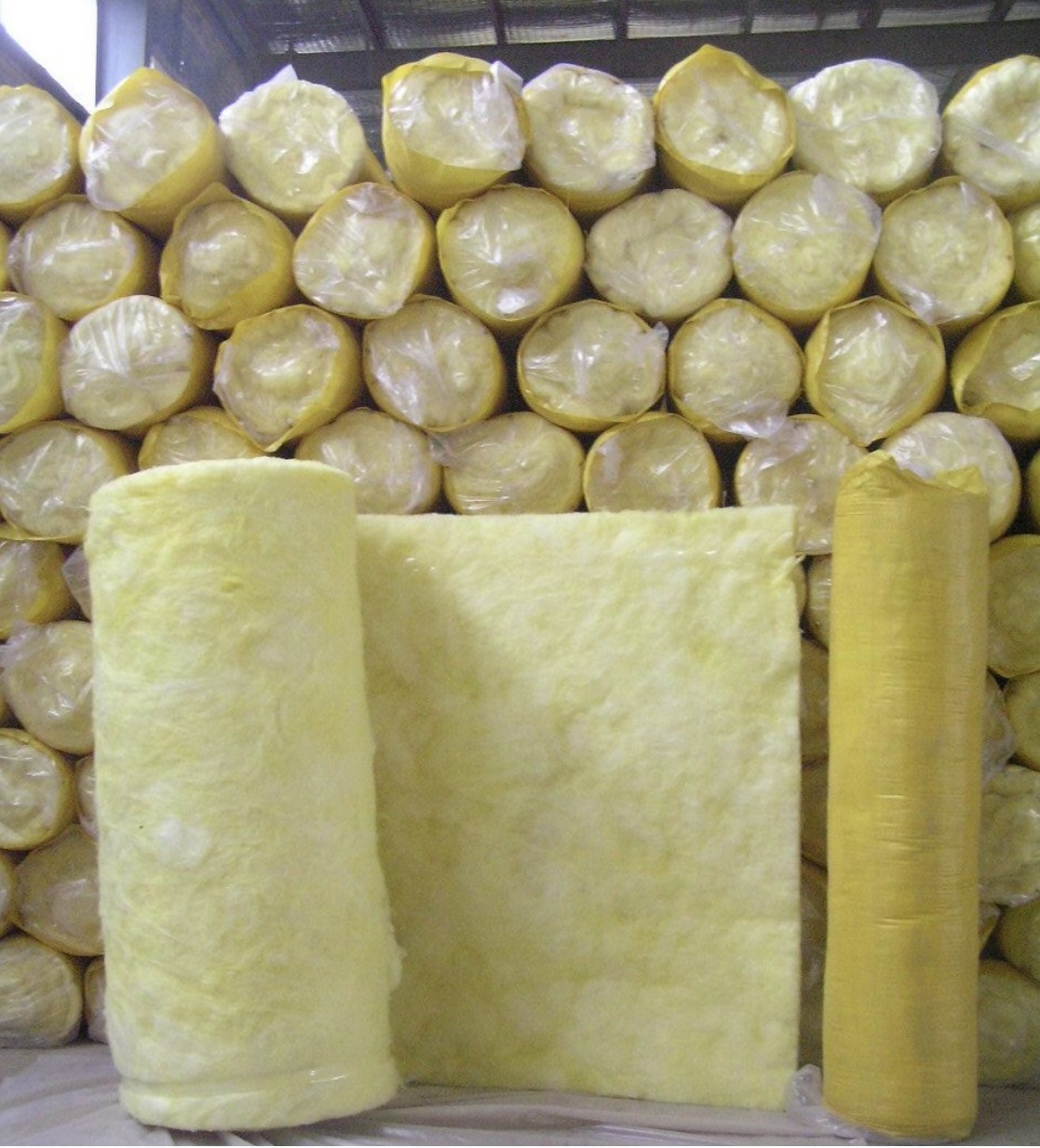
Fiberglass insulation is available in forms such as batts, rolls, loose-fill products, and boards. Product selection will depend on the building assembly, required thermal resistance, and installation method. For building and HVAC applications, buyers can also review glass wool blanket insulation as one available product option.
According to the ASHRAE Handbook chapter on heat, air, and moisture control, insulation materials must be evaluated according to their physical properties and their role in the building assembly. Their actual performance depends on fiber composition, density, binder, facing, and product design.
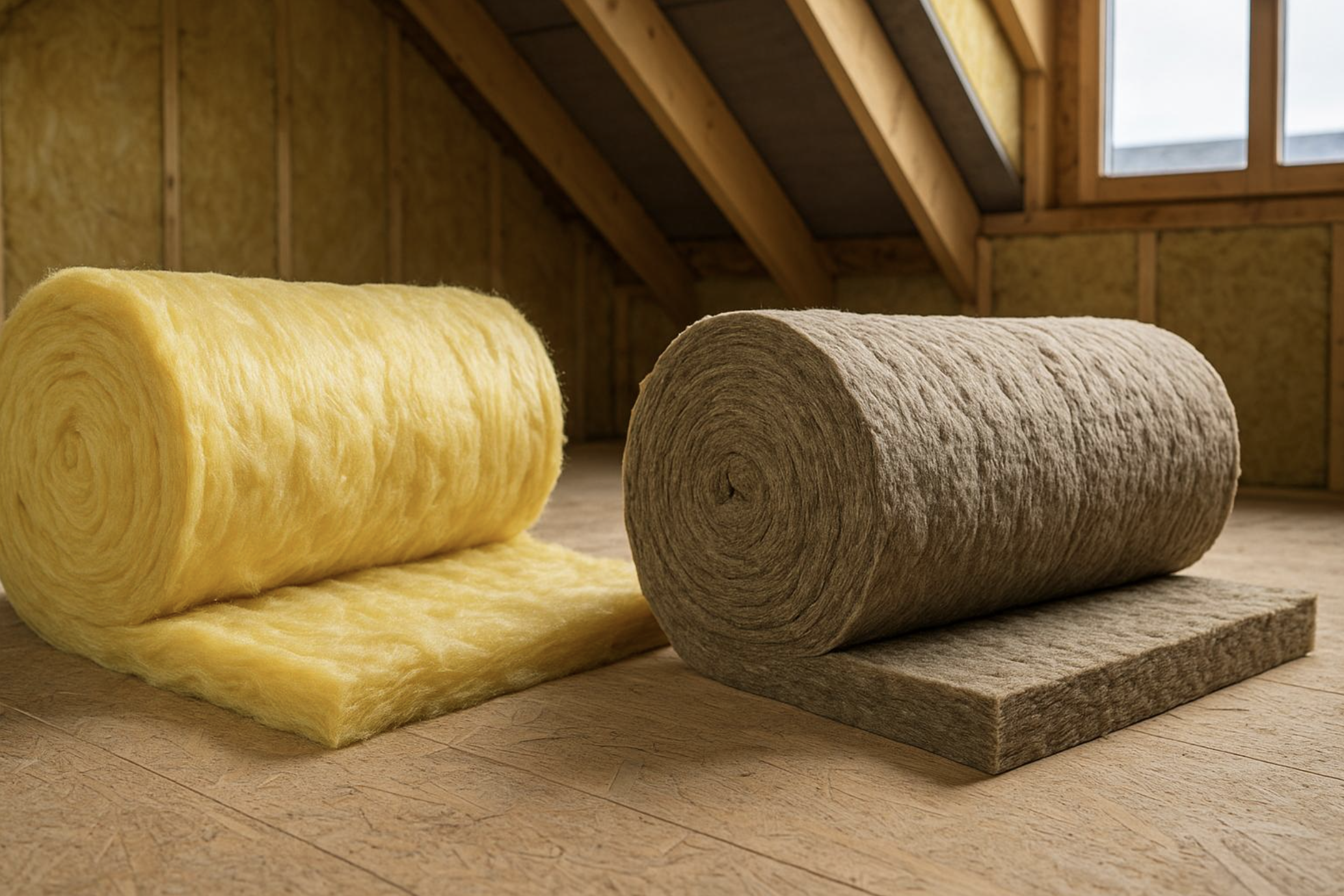
Mineral Wool vs Fiberglass: Key Performance Differences
Neither material is the best choice for every project. The following comparison highlights the main factors buyers should evaluate before placing an order.
| Comparison Factor | Mineral Wool Insulation | Fiberglass Insulation |
|---|---|---|
| Raw Material | Rock, slag, or other mineral materials | Glass materials, including recycled glass |
| Thermal Performance | Depends on product density, thickness, and thermal conductivity | Depends on product density, thickness, and thermal conductivity |
| Fire Performance | Mineral fibers are non-combustible | Unfaced fiberglass fibers are non-combustible |
| Sound Absorption | Suitable for acoustic insulation applications | Suitable for acoustic insulation applications |
| Moisture Management | Vapor permeable; requires suitable moisture protection | Vapor permeable; requires suitable moisture protection |
| Product Forms | Batts, blankets, and rigid boards | Batts, rolls, loose-fill products, and boards |
| Typical Selection Priorities | Fire-related requirements, acoustic needs, and industrial applications | Thermal insulation, lightweight construction, and installation efficiency |
Thermal Insulation Performance
Both mineral wool and fiberglass reduce heat transfer through their fibrous structures. However, the thermal performance of an insulation product is not determined by its material name alone.
Thermal conductivity, usually expressed as W/(m·K), indicates how readily heat passes through a material. A lower thermal conductivity indicates better insulating performance under the stated test conditions. R-value describes thermal resistance, and it increases with insulation thickness when the material properties remain the same.
For buyers comparing two products, the correct approach is to check their declared thermal conductivity and required installed thickness. The U.S. Department of Energy's insulation guide explains how insulation types, R-values, and installation conditions affect building energy performance.
A product with a higher density does not automatically provide better thermal resistance. Buyers should compare tested product data at the specified mean temperature and thickness rather than relying on density alone. Different thermal insulation materials should be evaluated against the same project requirements.
Fire Performance
Fire performance is an important consideration in factories, warehouses, public buildings, and facilities with specific fire protection requirements.
The mineral fibers in mineral wool and the glass fibers in unfaced fiberglass are inherently non-combustible. However, insulation products may also contain binders, facings, adhesives, or coatings that affect the fire characteristics of the finished product.
The distinction between material combustibility and the fire-resistance rating of a complete wall or roof assembly is also important. A non-combustible insulation material does not automatically make the entire building assembly fire-resistant.
For project approval, buyers should request relevant product test information and verify compliance with local building codes. The National Institute of Standards and Technology (NIST) provides technical research resources for evaluating building materials and their fire-related properties.
Sound Absorption and Acoustic Applications
Mineral wool and fiberglass both have fibrous structures that help absorb sound energy within building cavities. Their acoustic performance depends on thickness, density, installation depth, cavity design, and the surrounding wall or ceiling construction.
One important distinction is the difference between sound absorption and sound insulation. Sound absorption reduces sound energy reflected within a space, while sound insulation concerns the transmission of sound from one area to another.
For example, a factory may require insulation inside a partition wall to reduce noise from machinery. The final result will depend on the entire wall assembly, including the framing, boards, joints, and insulation layer. The Insulation Institute's technical resources provide further information about insulation materials and building performance.
Moisture and Condensation Management
Moisture management should be considered when selecting insulation for roofs, exterior walls, cold storage facilities, and HVAC systems.
Both mineral wool and fiberglass are vapor-permeable materials. Neither should be treated as a waterproofing layer or a substitute for a properly designed air and vapor control system.
If moisture enters an insulation layer and the assembly does not dry properly, the insulation may lose its intended shape or performance. Wet batts and blankets may also become deformed. The building designer should evaluate the climate, indoor humidity, vapor movement, air leakage, and condensation risk before selecting the insulation system.
Proper flashing, drainage, air sealing, and vapor control will help protect the complete building envelope.
Which Insulation Material Is Better for Different Applications?
The best material will depend on the project's primary requirements.
Industrial Buildings and Workshops
Mineral wool is a strong option when the project places particular importance on non-combustible insulation materials, acoustic control, or elevated operating temperatures. The selected product must meet the actual temperature and mechanical requirements.
Residential Walls and Ceilings
Fiberglass is a practical option for many framed wall and ceiling cavities because of its lightweight structure and available product forms. Mineral wool is also suitable when the project requires particular acoustic or fire-related characteristics.
HVAC and Mechanical Systems
Both materials are used in mechanical insulation applications. Selection will depend on operating temperature, equipment configuration, insulation thickness, surface protection, and condensation control.
Noise-Sensitive Rooms
Mineral wool and fiberglass will both support acoustic designs. Buyers should compare tested acoustic performance for the complete assembly rather than assuming that one material will always provide better sound insulation.
Commercial and Public Buildings
Fire requirements, energy targets, acoustic needs, and local building codes should guide material selection. The project specification will determine which product is suitable.
What Should Buyers Confirm Before Purchasing?
For contractors, distributors, and project procurement teams, comparing material names is only the first step. The following information will help suppliers recommend a suitable product and prepare an accurate quotation.
| Purchasing Item | Information to Confirm | Why It Matters |
|---|---|---|
| Application | Wall, roof, ceiling, floor, HVAC, or equipment | Determines the suitable product type |
| Product Form | Batt, blanket, roll, or board | Matches the installation method |
| Thickness | Required insulation thickness | Determines thermal resistance and installation fit |
| Thermal Conductivity | Declared value and test conditions | Supports thermal performance calculations |
| Density | Required density for the application | Helps assess product structure and intended use |
| Fire Requirements | Applicable test standard and project code | Confirms compliance with project specifications |
| Facing | Unfaced, foil-faced, or another specified finish | Affects installation and vapor-control design |
| Quantity and Dimensions | Required volume, size, and delivery location | Supports quotation and logistics planning |
For technical comparisons, buyers should also understand the relevant test methods. For example, ASTM C518 specifies a test method for measuring steady-state thermal transmission properties using a heat flow meter apparatus.
A quotation based on complete project requirements will be more useful than one based only on a general request for mineral wool or fiberglass insulation.
How to Make the Final Decision
When comparing mineral wool vs fiberglass insulation, buyers should begin with the building's main performance requirements.
If fire-related requirements, acoustic considerations, or higher-temperature operating conditions are the main priorities, mineral wool deserves careful evaluation. If lightweight construction, thermal insulation, and installation efficiency are the primary concerns, fiberglass will be a suitable option to compare.
However, neither choice should be made without checking the actual product specifications. Thermal conductivity, thickness, density, facing, moisture conditions, and applicable fire standards will determine whether the selected material meets the project requirements.
Jinsimai supplies building insulation and related construction materials for commercial and industrial applications. Buyers can share their project location, application, required thickness, product form, and estimated quantity through the Jinsimai contact page to request product recommendations and a quotation.
Frequently Asked Questions
1. Is mineral wool better than fiberglass for insulation?
Not in every situation. Mineral wool is a strong choice for projects with specific fire, acoustic, or temperature requirements. Fiberglass is suitable for many conventional thermal insulation applications. The final decision depends on the product data and building design.
2. Which material has better fire performance?
Both mineral wool fibers and unfaced fiberglass fibers are non-combustible. The binder and facing materials may affect the fire performance of the finished product. Always check the relevant test reports and project requirements.
3. Does mineral wool provide better sound insulation than fiberglass?
Not automatically. Both materials absorb sound within building cavities. The final sound insulation performance depends on the complete wall or ceiling assembly, not just the insulation material.
4. Can fiberglass insulation be used in industrial buildings?
Yes. Fiberglass insulation is used in industrial and commercial buildings, including roofs, walls, and HVAC systems. The selected product must match the required temperature, thermal performance, and installation conditions.
5. What information should I provide when requesting an insulation quotation?
Provide the application, material preference, required thickness, product form, estimated quantity, destination, and any fire or acoustic requirements. These details will help the supplier identify a suitable product and prepare a more accurate quotation.
References
- ASHRAE Handbook — Fundamentals: Heat, Air, and Moisture Control in Building Assemblies: Material Properties.
- U.S. Department of Energy — Insulation: A Guide to Types, R-Values, and Installation.
- National Institute of Standards and Technology (NIST) — Technical Research Resources on Building Materials and Fire Performance.
- Insulation Institute — Technical Resources on Insulation Materials and Building Performance.
- ASTM International — ASTM C518: Standard Test Method for Steady-State Thermal Transmission Properties by Means of the Heat Flow Meter Apparatus.