

Space-Efficient Phenolic Foam Pipe Insulation for Industrial Temperature Control
Slim, Rigid Thermal Protection from a Phenolic Foam Pipe Insulation Manufacturer
When a pipe gallery is crowded, thick insulation simply does not fit, and a bare chilled line starts to sweat. Xiaolong manufactures phenolic foam insulation pipe as rigid, closed-cell shells that deliver strong thermal resistance in a thin wall, so condensation and heat loss stay under control. Our phenolic foam insulation pipe is produced to order for each pipe size and project. Share your system temperatures and available installation space to narrow down suitable pipe insulation options.
Closed-Cell Rigid Shells Engineered for Controlled Heat Transfer
Low-Conductivity Foam Core
Fine closed cells hold still air inside the foam, so a thinner phenolic foam insulation pipe wall can do the work of a thicker one.
Low conductivity helps in tight pipe galleries, but dew-point control still depends on thickness and a sealed facing.
Rigid Profile that Resists Crushing
The stiff foam holds its wall thickness under hangers and clamps, where soft materials get flattened over time.
Pair it with support blocks of matching thickness so the hanger does not become a cold bridge. Our guide to where connection problems begin explains why supports and joints fail first.
Close-Fitting Shell Geometry
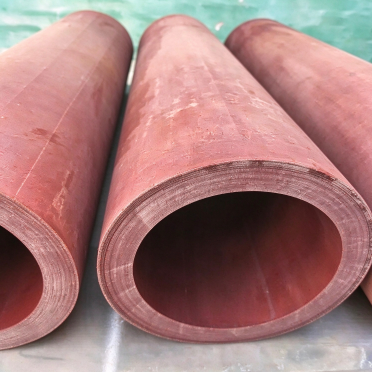
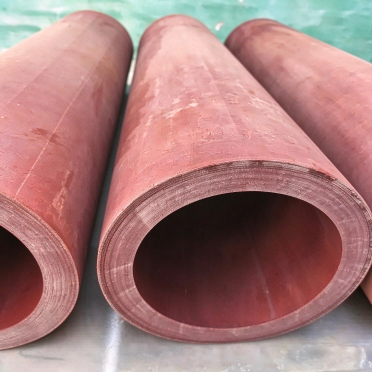
Half-round or full-round shells are cut to the pipe's outside diameter, which leaves almost no air gap.
Staggered butt joints and sealed seams keep the foil facing continuous along each run.
Temperature-Controlled System Design
The same phenolic foam insulation pipe family can serve hot-water and chilled-water lines, with facing and thickness chosen for each.
For a full checklist of sizing, thickness and fire considerations, read our phenolic pipe engineering selection guide.
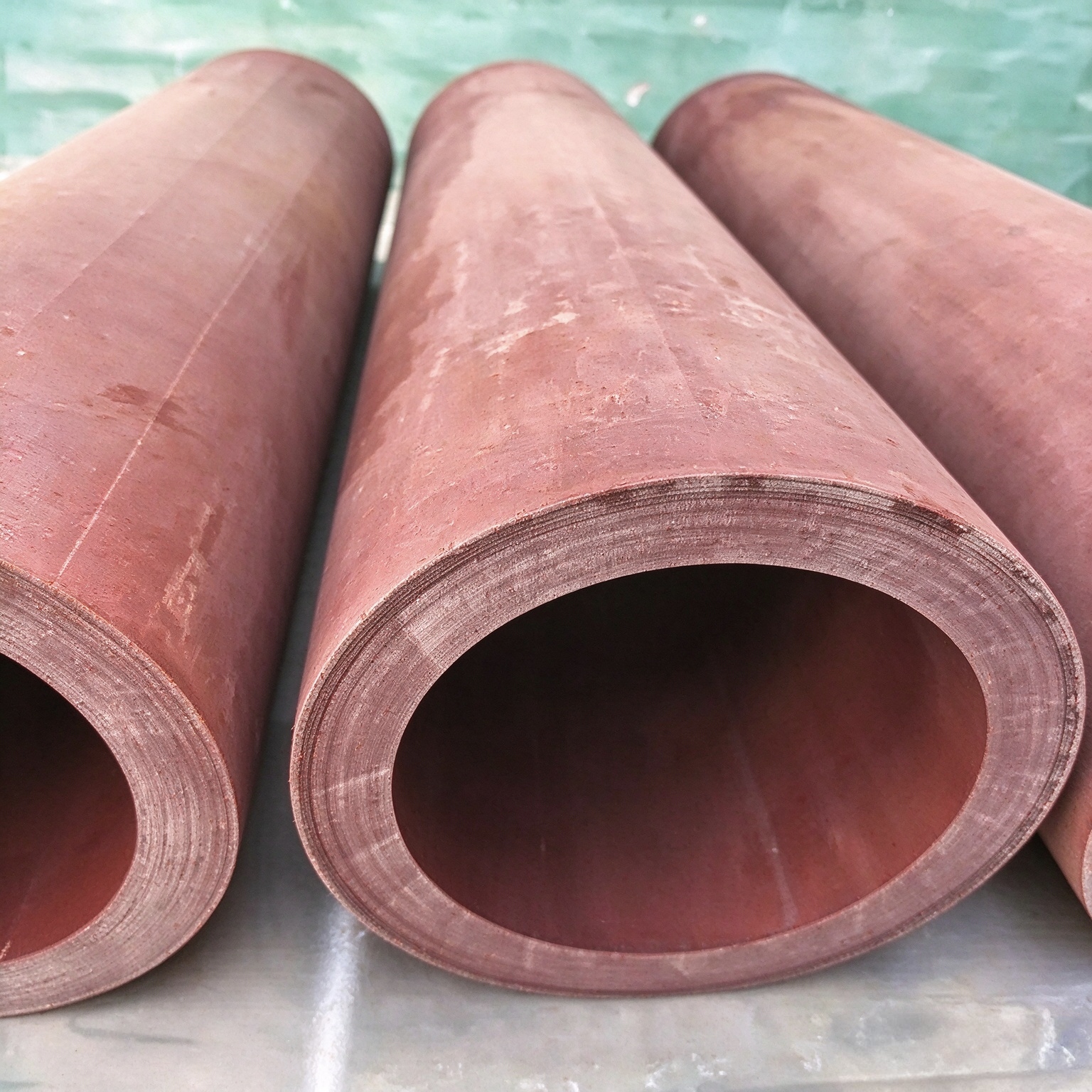
Product Specifications
| Parameter | Specification |
|---|---|
| Core Material | Phenolic Foam |
| Product Form | Preformed Pipe Shell |
| Facing Material | Unfaced / Protective Facing |
| Joint Treatment | Compatible Adhesive / Sealant |
| Moisture Protection | Optional Vapor Barrier |
| Installation Method | Sectional Fitting |
Thermal conductivity, temperature range and wall thickness are confirmed against each project's design conditions.
Cooling Circuits Connecting Refrigeration Machinery
Chilled-Water Circuits
Supply and return mains between chillers and air handling units, where the surface must stay above the dew point.
Risers and branch lines in occupied buildings, where one wet ceiling tile costs more than the insulation. See our chilled water pipe insulation guide for the selection logic.
Air-Conditioning Plant Rooms
Pump headers, manifolds and heat exchanger connections packed close together.
Hot-water loops running next to chilled lines, where each system needs its own thickness and facing.
Refrigeration Equipment Connections
Cooling water lines linking condensers, cooling towers and process chillers.
Cold-storage plant pipework with regular washdown, finished with a protective jacket.
Space-Constrained Mechanical Services
Ceiling voids and shafts where only a thin wall will clear structure and cable trays.
Retrofit work in older buildings, where pipe spacing was never designed for thick insulation.
Hospital and hotel service corridors with many parallel pipes.
Practical Questions on Phenolic Core Behavior and Site Handling
1. Do I need to take extra care when phenolic foam sits on stainless steel or copper pipe?
Yes, it is worth asking about phenolic foam insulation pipe on these metals. Wet phenolic foam can become mildly acidic, and that matters most on stainless steel and thin copper. Keep the foam dry with a sealed vapor barrier, and ask us for pH and chloride information when your pipe material is sensitive.
2. Is it difficult to cut and fit the shells myself?
The foam is rigid and a little crumbly at the edges, so use a fine-tooth saw or sharp knife and cut slowly. Wear a dust mask and gloves, because the dust irritates skin and lungs.
3. Can it be used outdoors or in direct sunlight?
Not bare. Sunlight and rain will damage the facing and the foam surface, so outdoor runs need a metal or weatherproof jacket with sealed laps. Keep seams away from low points where water collects.
4. Is it a good choice for my home's chilled or hot water pipes?
It works well on straight water lines in plant closets, garages and ceiling voids. Rigid shells are less suited to tight bends and small flexible tubing, where a flexible material is easier to fit.
5. How should long straight runs handle pipe movement?
Pipes expand and contract with temperature, and rigid foam cannot stretch with them. On long runs, leave planned contraction joints at set intervals and fill them with flexible insulation and sealant, so the foam does not crack at the seams.
Match Phenolic Pipe Shells to Your System Design
You should not need to trade space for performance. Xiaolong phenolic foam insulation pipe gives consultants, contractors and purchasing teams a thin, stable solution they can specify with confidence. We support custom specifications, bulk wholesale supply, project tender submissions and factory test documents. Send your pipe schedule and we will come back with a practical shell and thickness plan.