
Phenolic Foam Roof Insulation that Cuts Heat Loss without Adding Roof Thickness
Enhance Roof Energy Efficiency with Phenolic Foam Insulation
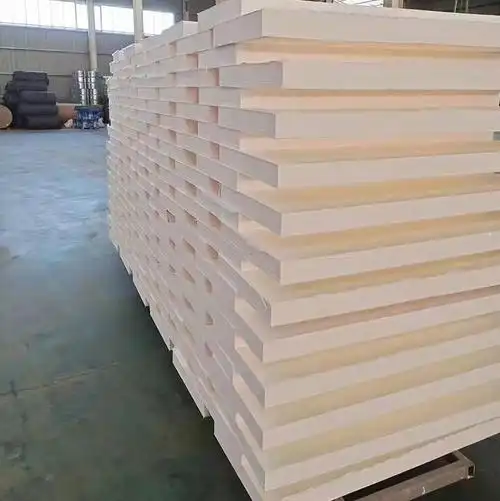
Many roofs need more insulation but have no height to spare at parapets, door thresholds or rooflights. Xiaolong manufactures phenolic foam roof insulation boards that deliver high thermal resistance in a slim profile, with a fire-conscious foam core. Xiaolong boards are made for steady quality from batch to batch, so roofers get the same fit and performance on every job. Get in touch with our team to discuss your roofing insulation requirements and request a solution tailored to your building project.
Fine Cellular Structure and Roofing Compatibility
Fine Closed-Cell Foam Composition
Tiny closed cells hold insulating gas in place, which gives low thermal conductivity, commonly around 0.020 W/m·K for foil-faced boards.
The structure also limits water uptake, so phenolic foam roof insulation stays dry during normal roof work.
Space-Efficient Thermal Design
A 60 mm phenolic board gives about the same thermal resistance as roughly 105 mm of EPS, which saves height at upstands and edges.
Thinner build-ups also mean shorter fasteners and fewer detailing changes around roof penetrations.
Compatible Facing and Membrane Assemblies
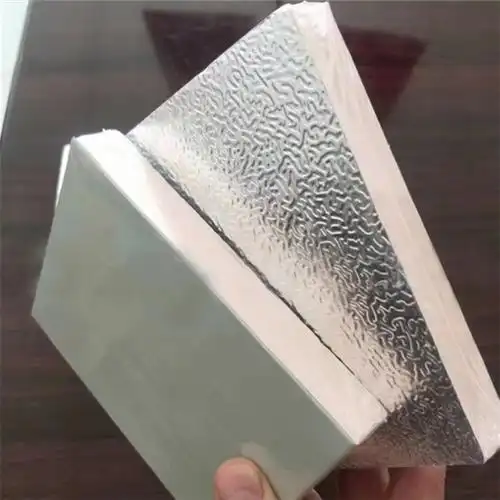
Facings protect the foam surface and help hold the board's thermal value over time. They are chosen to suit adhesives, membranes and fixings.
Foil facings also add a layer of vapor resistance, but all joints must still be taped or sealed to work properly.
Adaptability to Roof Geometry
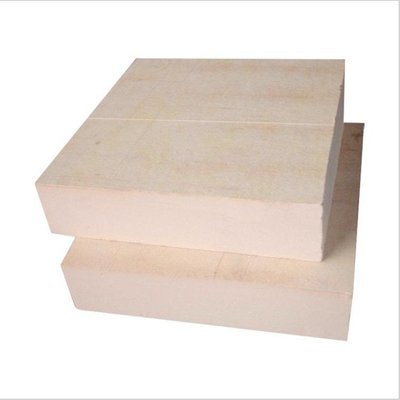
Flat, square boards cut cleanly for tapered layouts, rooflight surrounds and drainage falls.
Edge details can be matched to the roofing system to reduce thermal bridges at joints.
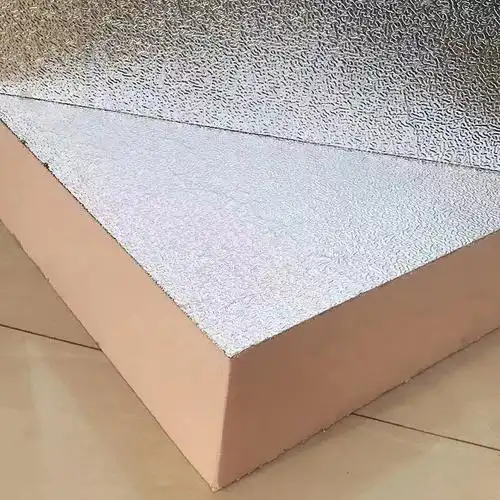
Phenolic Foam Roof Insulation Parameters at a Glance
|
Parameter |
Description |
|
Core Material |
Phenolic Foam |
|
Product Form |
Rigid Insulation Board |
|
Primary Function |
Roof Thermal Insulation |
|
Typical Applications |
Commercial and Industrial Roofing |
|
Facing Options |
Depends on Product Configuration |
|
Board Edges |
Depends on Product Design |
|
Installation Options |
According to Roofing System Requirements |
|
Available Dimensions |
Refer to Product Specifications |
|
Packaging |
Based on Order Requirements |
Thermal Upgrades with Phenolic Foam Roof Insulation
Flat-Roof Refurbishment
Adding a warm-roof layer over an existing waterproofing layer where door thresholds cannot be raised.
Upgrades to older warehouse and office roofs that need a better U-value without changing the structure.
Metal Deck Roofs
Light, non-combustible insulation on factory and logistics roofs, fixed mechanically through the deck.
Best used over a coated deck with a vapor control layer, and installed only when the deck is dry.
Hospital, School and Retail Roof Decks
Roofs on public buildings where fire and smoke behavior are part of the design brief. Our guide to the fire performance of phenolic insulation explains what to look for.
Shopping complexes with large decks and many plant penetrations.
Roofs Requiring Coordinated Drainage Falls
Tapered board layouts cut from flat sheets to guide water to outlets and gutters.
Thin fall-forming layers on roofs with limited depth at the outlets.
Phenolic Foam Roof Insulation Thickness, Metal Decks and Roof Safety Details
1. How do I choose a thickness for a target U-value?
Divide the thickness by the conductivity to get thermal resistance, then add the other roof layers. Because phenolic boards have low conductivity, they usually reach the same target with a much thinner board than EPS or mineral wool. Check the roof loads and fixing depth as well, and share them with Xiaolong if you want a second opinion. Our phenolic board selection guide walks through thickness, size and operating conditions step by step.
2. Is phenolic foam roof insulation safe in a fire?
The foam core chars rather than melting or dripping, and it produces little smoke compared with many plastic foams. That is one reason it is used on public and commercial roofs. Final fire behavior still depends on the full roof build-up, including facings, adhesives and membranes.
3. Is metal deck corrosion still a concern with phenolic boards?
Early phenolic roof boards sold in North America in the 1980s were linked to corrosion of lightly primed steel decks when moisture was present. Modern boards are made with tighter control of acidity, but good practice remains the same: use a coated deck, keep the deck dry during installation, add vapor control where needed, and ask the supplier for the board's acidity level before specifying.
4. Can I walk on the roof after the boards are installed?
Light, occasional foot traffic is fine once the board is covered by the roof membrane or finish. For regular maintenance access to plant or gutters, add walkway pads or protection boards, because a concentrated load on a thin finish can dent the board underneath.
5. Does the insulation value change over the life of the roof?
Foil-faced phenolic boards keep their insulating gas better than unfaced foams, so their long-term values stay close to the starting figure. Damaged facings, open joints and wet boards are the main causes of lost performance, so protect the boards from rain during installation and seal all joints and cut edges.
Discuss Your Roofing Insulation Supply Requirements
Xiaolong supports roofing contractors, distributors and building-material buyers who need dependable phenolic foam roof insulation. Whether you want a custom specification, bulk wholesale supply, project tender support or factory test documents, our team will help you move from drawings to a clear, quotable solution. Send us your roof type, deck type and target thermal value, and we will help you choose the right board.