
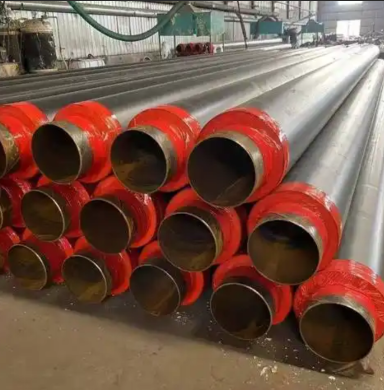
Polyurethane Insulation for Chilled Water Pipes with Reliable Condensation Control
Polyurethane Pipe Insulation Manufacturer for Chilled Water Loops that Must Stay Dry
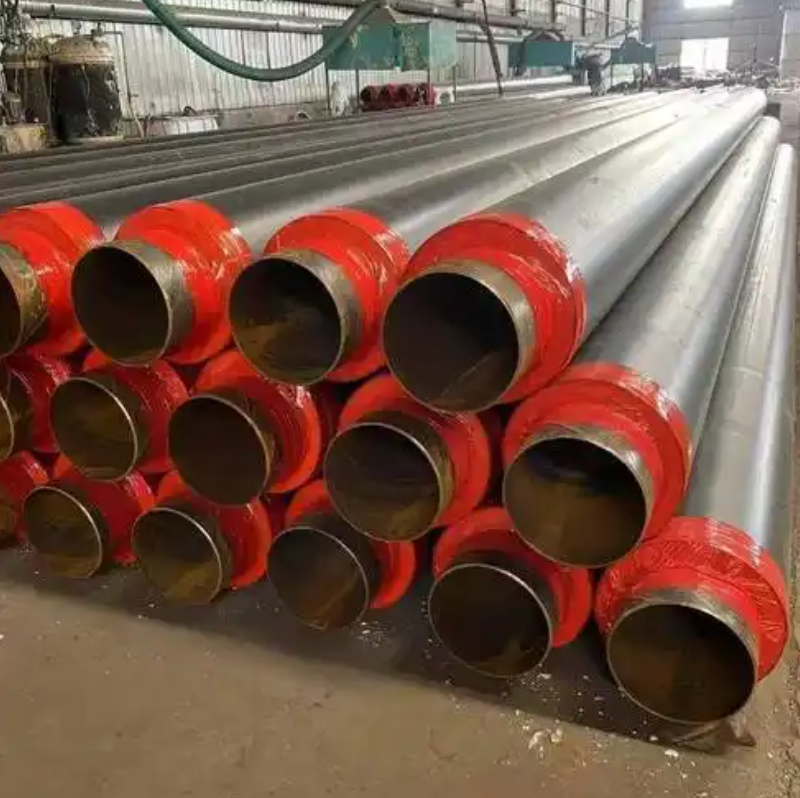
A chilled water pipe is colder than the air around it, so every weak spot in its insulation becomes a place where water forms. Xiaolong manufactures polyurethane insulation for chilled water pipes in preformed sections with a factory-applied vapor jacket, so the barrier is continuous from the first meter to the last. Send us your pipe sizes, fluid temperature and room conditions, and our team will suggest a section thickness that keeps the surface above the dew point.
Closed Cells, a Sealed Jacket and a Slim Profile
Closed-Cell Foam that Resists Moisture Uptake
In polyurethane insulation for chilled water pipes, over 90% closed cells mean surface water stays on the surface, and a small damaged spot does not spread through the foam.
Low foam conductivity cuts heat gain, which eases the load on chillers and pumps.
Factory-Applied Vapor Jacket
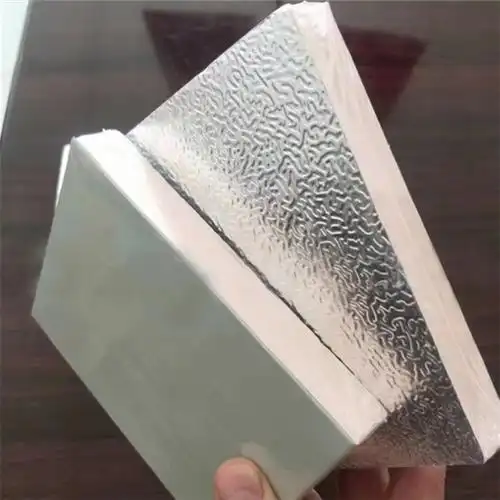
The jacket is bonded to the foam in the factory, so Xiaolong polyurethane insulation for chilled water pipes arrives with its vapor barrier already in place.
A thicker aluminum foil layer resists the tiny pinholes that let moisture creep in under thin jackets.
Preformed Sections for Tight, Repeatable Fitting
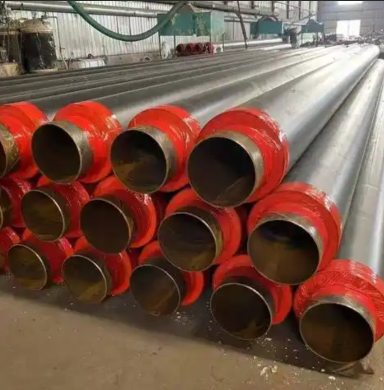
Sections match the pipe outside diameter, so there is less on-site cutting and fewer gaps along the run.
Mitred elbow and tee segments follow the pipe route and keep the foam continuous through bends.
High Insulating Value per Millimeter
Slim sections fit crowded pipe racks, plant rooms and ceiling voids without crowding neighboring services.
Each polyurethane insulation for chilled water pipes section is made to a uniform density, so the surface stays smooth and the wall thickness stays even.
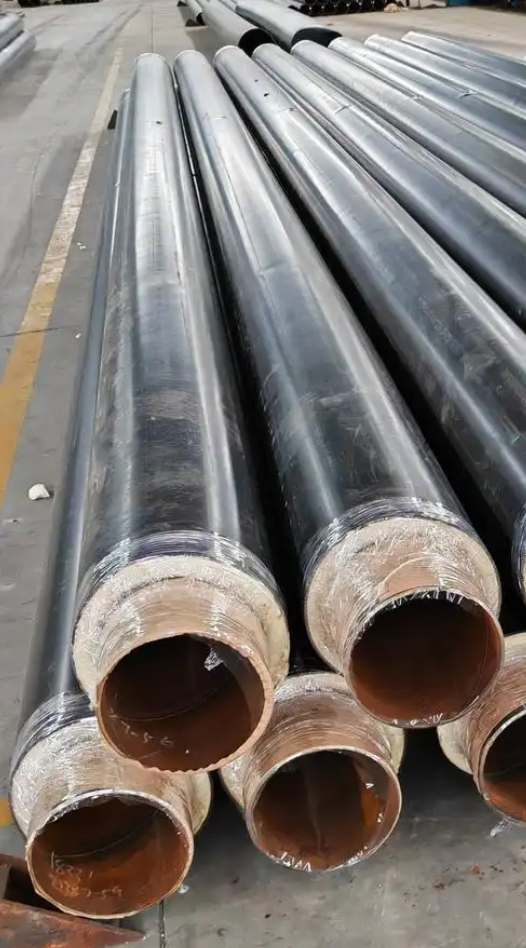
Pipe Section Data for Polyurethane Insulation for Chilled Water Pipes
|
Parameter |
Specification |
|
Insulation Material |
Rigid Polyurethane Foam |
|
Product Form |
Preformed Pipe Sections / Custom-Molded Insulation |
|
Pipe Outside Diameter Range |
Available According to Product Series |
|
Insulation Thickness |
Customizable According to Thermal Requirements |
|
Foam Density |
According to Manufacturer's Specification |
|
Thermal Conductivity |
According to Tested Product Data |
|
Closed-Cell Structure |
According to Product Grade |
|
Water Absorption |
According to Product Test Data |
|
Outer Protective Layer |
Aluminum Foil / Metal Jacket / Other Available Cladding |
|
Elbow and Fitting Insulation |
Available According to System Requirements |
|
Service Temperature Range |
Confirmed According to Product Grade |
|
Main Application |
Chilled Water Lines, HVAC Systems, Cooling Plant Rooms |
Chilled Loops where Condensation is Not an Option
Central Chiller Distribution Loops
Polyurethane insulation for chilled water pipes covers supply and return mains running from the chiller plant through risers and corridors.
Long horizontal runs in warm, humid ceiling spaces, where thickness matters most.
Data Center Cooling Infrastructure
Chilled water lines with polyurethane insulation for chilled water pipes feeding in-row and perimeter cooling units.
Pipework above or beside live equipment, where a single drip is unacceptable.
Pharmaceutical and Laboratory HVAC
Cleanroom air handling loops that need smooth, wipeable, mold-resistant outer surfaces.
Process cooling lines running at constant low temperature all year.
Plant Rooms and Rooftop Chillers
Exposed pipes outdoors with a metal jacket for sun, rain and foot traffic.
Valve-dense plant rooms where preformed sections and fitted covers keep joints to a minimum.
Thickness, Hangers, Leaks and Material Choice: Your Questions Answered
1. How thick should polyurethane insulation for chilled water pipes be?
Thickness follows the dew point, not just the pipe size. The colder the water and the warmer and more humid the room, the more insulation is needed to keep the outer surface above the dew point. A plant room in a humid climate needs a thicker section than an air-conditioned corridor on the same pipe. Our polyurethane pipe selection guide walks through the selection steps.
2. Why does my insulated pipe still sweat in summer?
The foam is rarely the problem. Sweating usually starts at an unsealed joint, a torn jacket, an open pipe end or a valve that was left bare. Dry the area, patch the jacket with a matching vapor tape, and seal every seam and end. If the thickness is too low for the room's humidity, the whole section may need replacing.
3. How should hangers and supports be handled on polyurethane insulation for chilled water pipes?
Rigid foam can be crushed by a bare clamp, and a crushed spot becomes a cold spot where water forms. Use a load-spreading saddle or a high-density support insert at every hanger, and run the vapor jacket and tape continuously across it. Never clamp straight onto the foam.
4. How can I check whether existing insulation is still working?
Look for stained or dark patches on the jacket, mold, dripping at low points, and areas that feel colder or wetter than the rest of the pipe. Press gently on suspect spots: wet or soft foam means moisture has entered and the section should be replaced. Also keep other trades from using insulated pipes as steps or ladders, since that is a common cause of torn jackets.
5. How does polyurethane compare with phenolic or fiberglass for chilled water pipes?
Polyurethane insulation for chilled water pipes offers very low conductivity with closed cells, but all insulation types lose performance once moisture reaches the core, and open-cell fiberglass is hit hardest. Phenolic has similar insulating value and better fire behavior, but it is more brittle. Polyurethane suits most chilled loops when the jacket and joints stay intact. Our phenolic vs polyurethane pipe insulation comparison goes deeper on HVAC and cold-storage use.
Request Chilled-Water Insulation Specifications
Xiaolong supports contractors, consultants and plant owners with bulk wholesale supply, project-specific sizing, tender support and factory test data for your reviewers.
Not sure which insulation fits the job yet? Start with our selection guide, then contact the Xiaolong team with your drawings and operating conditions to discuss polyurethane insulation for chilled water pipes that suits your system.