
Flexible Foam Rubber Insulation that Keeps Pipes Dry, Cold Lines Cold and Hot Lines Hot
Flexible Foam Rubber Insulation Supplier for Condensation-Free Pipework
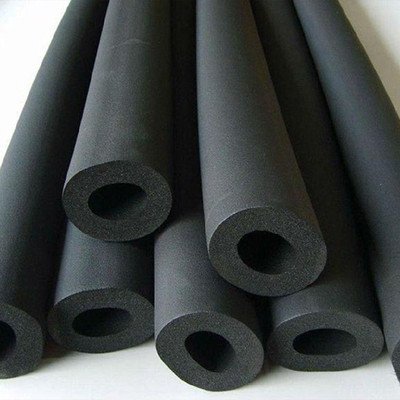
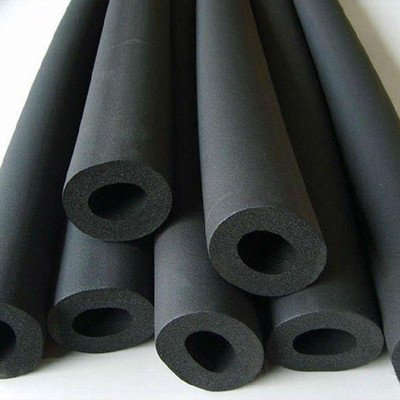
Cold pipes sweat, hot pipes leak energy, and wet insulation hides corrosion. Xiaolong manufactures flexible foam rubber insulation with a closed-cell structure that blocks moisture and slows heat flow on chilled water, refrigerant and hot water lines. Our team builds every batch for steady wall thickness and a soft, even cell structure, and we back it with hands-on advice for site crews. Request a quote for your insulation requirements.
Closed-Cell Foam Structure for Moisture Control and Easy Fitting
Closed-Cell Composition
Sealed cells stop water vapor from travelling into the wall, which keeps the insulation dry and its performance stable.
The material works as a system. The cells resist moisture, but every seam and end must be sealed or vapor will find its way in.
Elastic Recovery
Flexible foam rubber insulation springs back after bending and light compression, so it follows elbows and offsets without cracking.
Avoid stretching tube over bends. A thinned wall at the outer curve is where condensation usually starts, so cut mitered sections instead.
Low Heat Transfer
Fine closed cells trap air and slow heat gain on cold lines and heat loss on hot lines.
Even thickness matters more than it looks. A thin spot over a valve or fitting can cause a wet patch on an otherwise dry line.
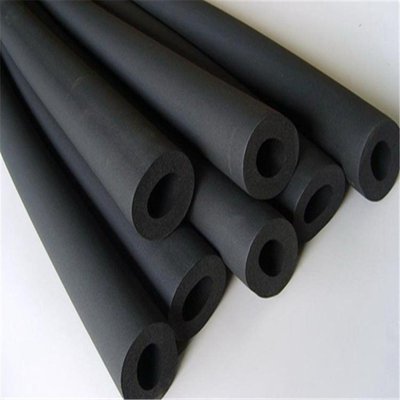
Precision-Fit Tubular Design
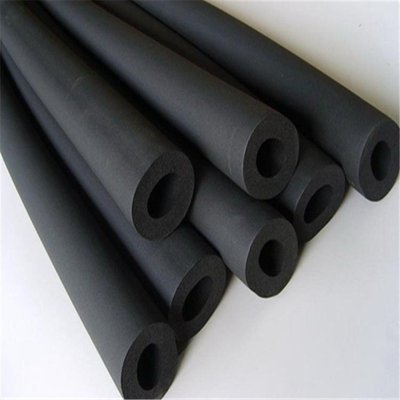
Tubes are made to match standard pipe sizes, so the inner wall sits snug against the pipe without gaps.
Slit tubes can be fitted over existing lines, while unslit tubes slide on before the pipe is connected.
Flexible Foam Rubber Insulation Sizes and Technical Data
| Parameter | Specification |
|---|---|
| Cell Structure | Closed-Cell |
| Color | Typically Black |
| Density | Varies by Material Grade |
| Wall Thickness | Multiple Thickness Options |
| Inner Diameter | Available for Different Pipe Sizes |
| Length | Standard Sections or Rolls, Depending on Form |
| Thermal Conductivity | Depends on Material Grade and Test Conditions |
| Water Vapor Resistance | Depends on Product Formulation |
| Operating Temperature Range | Depends on Manufacturer Specifications |
| Flexibility | Flexible and Compressible |
Choose the inner diameter to match the pipe outer diameter, not the nominal size. A tube that is too loose leaves an air gap, and one that is too tight stretches and thins the wall. For help comparing foam rubber with other pipe insulation options, see our rubber and plastic pipe selection guide for insulation, condensation prevention and B1 flame retardancy.
Chilled Water Lines, Refrigerant Circuits and Plumbing Using Flexible Foam Rubber Insulation
Chilled Water Circuits
Wraps supply and return pipes in air-conditioning plants, where surface temperatures sit below the dew point of the surrounding air.
Glue every butt joint. An open joint lets humid air reach the cold pipe and can lead to corrosion under the insulation.
Refrigeration and Air Conditioner Lines
Covers suction lines on split systems, VRF networks and cold rooms to stop dripping onto ceilings and equipment.
Cover the full length of the line, including the short run at the indoor unit, where sweating often appears first.
Domestic Plumbing and Hot Water Systems
Reduces heat loss on hot water pipes and keeps cold water pipes from sweating in warm, humid rooms.
Slit tubes make it simple to retrofit existing pipework in basements, ceiling voids and plant closets.
Industrial Cooling Equipment
Used on cooling water lines, chiller connections and small tanks in factories and process areas.
Use rigid inserts or saddles at pipe supports so the weight of the pipe does not crush the foam.
Outdoors, add a protective coating or jacket to guard the surface from sun and weather.
Condensation Prevention and Installation Requirements
1. Do valves, flanges and pipe supports need separate insulation, and how should the joints be sealed?
Yes. Valves, flanges and hangers are where condensation most often begins. Fit pre-cut pieces or cut tube sections around each fitting, bring the edges together with no gap, and glue all seams and end joints. Let the adhesive turn tacky before pressing the surfaces together for a firm bond.
2. Can I use flexible foam rubber insulation on household water pipes and air conditioner lines?
Yes. Choose a tube that matches the pipe size, slit it along its length, slide it over the pipe and press the seam shut with adhesive or tape. Cover the whole run, including the bends, so no bare section is left to sweat.
3. Does it need extra protection when installed outdoors?
Yes. Sunlight and rain slowly age any rubber surface. A weather-resistant coating or a metal or plastic jacket extends service life. Seal the jacket joints so water cannot run in behind it.
4. How do I clean it, and will it harden or crack over time?
Wipe the surface with a damp cloth and mild soap. Keep solvents and strong cleaners away, since they can damage the skin. Walk the line once a year, and glue back any seam that has lifted. Well-protected foam stays soft and keeps its shape for many years.
5. Should the pipework be pressure tested before the insulation goes on?
Yes. Test and approve the pipe first, because a small leak behind closed insulation can stay hidden and soak the foam for weeks. Insulate after the test, once the pipe is clean and dry.
Get Product Information for Your Next Piping Project
If your project calls for steady quality across hundreds of meters of pipe, Xiaolong can help with custom specifications, bulk wholesale supply, project tender support and factory test documents. Tell us what you are insulating, and our engineers will suggest a flexible foam rubber insulation solution that fits your pipe sizes and site conditions. To get started, send us!