
Foam Board Insulation for Cat House Builds That Stay Warm, Dry and Chew-Safe
Insulation Foam Board Manufacturer for Cat Houses, Shelters and Pet Housing Makers
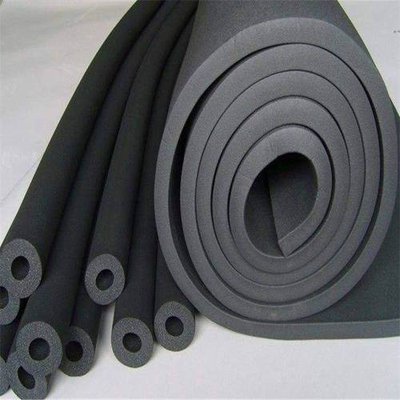
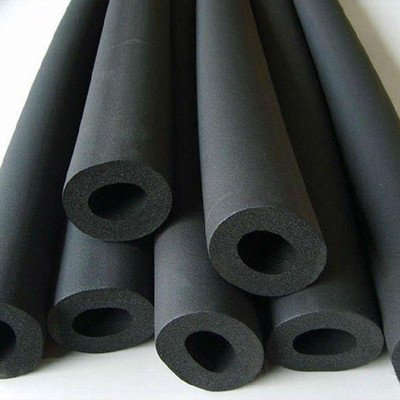
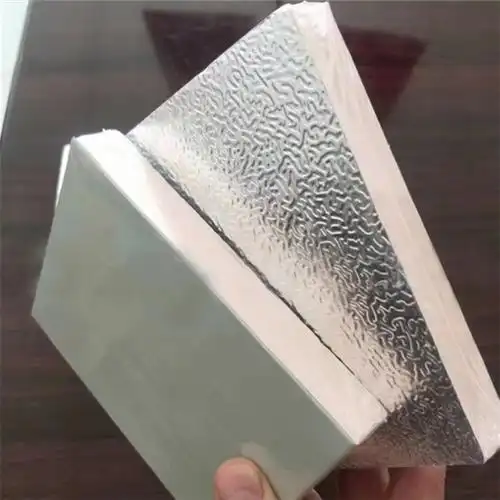
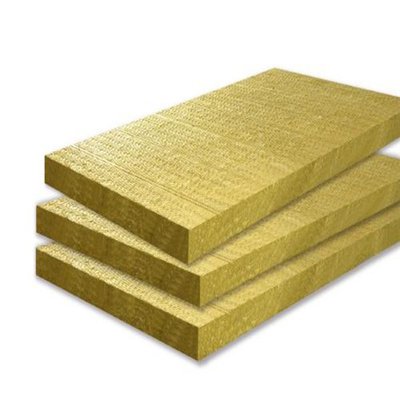
A cat house with thin or poorly fitted walls loses heat through the roof and floor first, and the cat feels it on the first cold night. Xiaolong manufactures foam board insulation for cat house projects, giving builders a light, rigid layer that holds warmth inside a small space. Our boards are cut and supplied for repeat production, so every unit keeps the same insulating performance. Share your cat house design and insulation needs with us to explore suitable board options for your application.
Sheet Adaptability in Foam Board Insulation for Cat House Enclosures
Closed-Cell Internal Structure
Tiny sealed cells trap air and slow heat flow, so a thin wall of foam board insulation for cat house builds can still keep body heat in.
Sealed cells also resist moisture, which matters when a cat breathes warm, damp air inside a closed shell.
Light Weight for Raised and Portable Units
Xiaolong boards add very little weight, so elevated pods, carriers and rescue-center units stay easy to lift and move.
Low weight also puts less stress on legs, hinges and roof panels.
Easy Contour Cutting
Clean edges cut with a sharp knife or fine saw, which suits door openings, sloped roofs and corner fits.
Tight cuts matter in small enclosures, because a gap of a few millimeters can become a draft path.
Rigid, Flat Panels for Consistent Fit
Flat, even sheets make it easier to build a square box without bowed walls or uneven seams.
Stable board thickness helps production teams repeat the same design across many units.
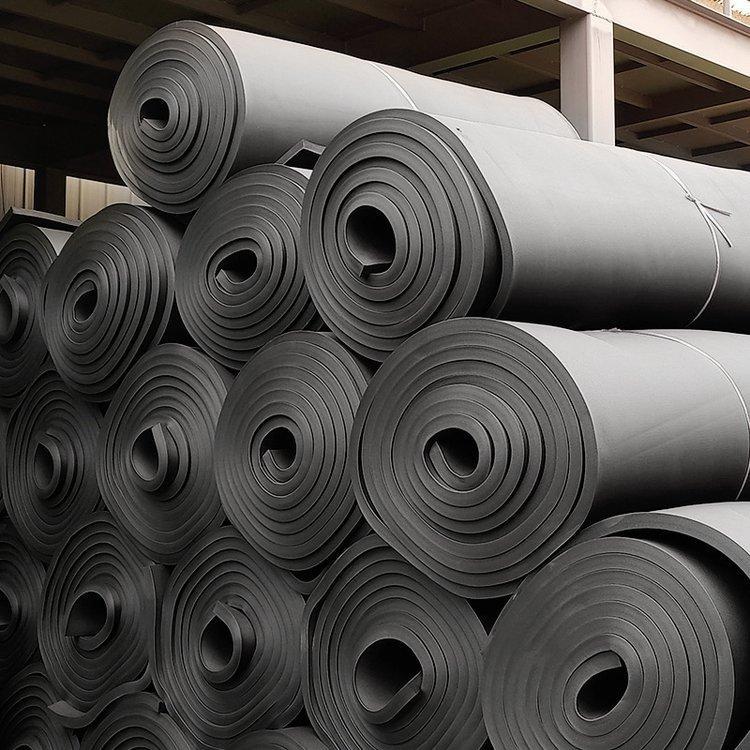
Foam Board Insulation for Cat House Specifications at a Glance
| Parameter | Description |
|---|---|
| Material Type | Foam Board, Type Confirmed with Manufacturer |
| Product Form | Flexible Board or Sheet |
| Primary Function | Thermal Insulation |
| Processing Method | Cutting and Trimming |
| Surface Finish | Depends on Product Structure |
| Installation Options | Compatible Adhesive or Mechanical Fixing |
| Available Dimensions | Refer to Product Specifications |
Best Projects of Foam Board Insulation for Cat House
Insulated Outdoor Cat Shelters
Wall, roof and floor liners for community and feral cat shelters in cold regions.
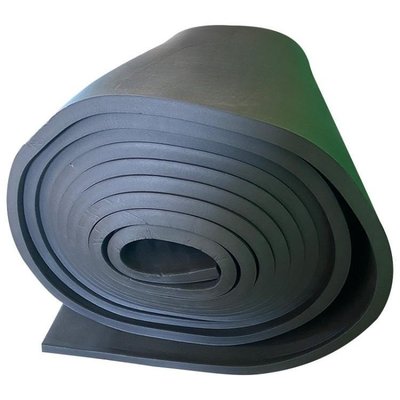
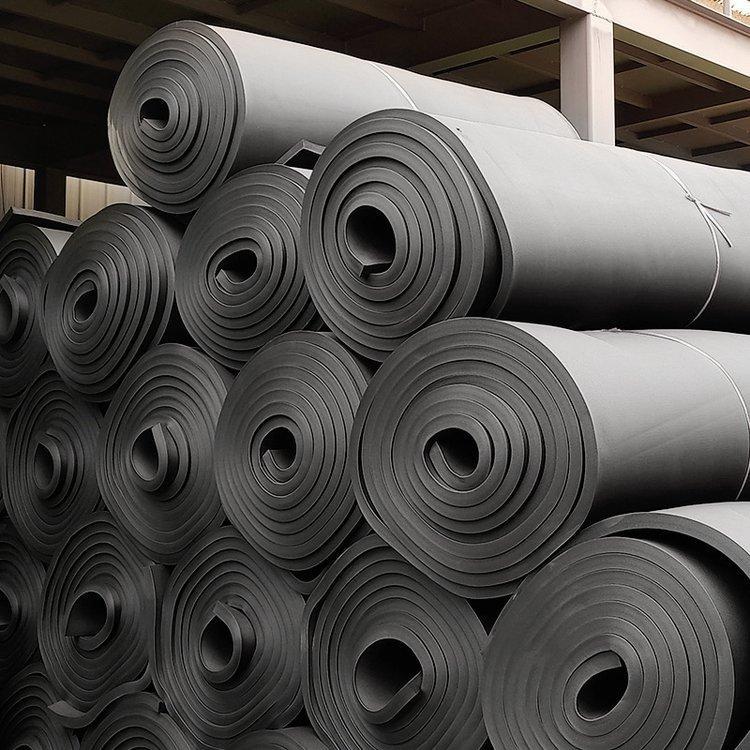
Foam inside a weatherproof outer shell, such as the rubber and plastic boards used for outdoor protection.
Raised floors that keep the cat off cold ground.
Raised Feline Sleeping Pods
Light inner walls for elevated pods on balconies and porches.
Thin insulated panels that keep the interior roomy while cutting heat loss from below.
Portable Rescue-Center Enclosures
Insulated recovery boxes for kittens and recovering animals.
Stackable units that staff can move quickly when space changes.
Foam-lined transport crates for winter trips to the vet.
Converted Utility-Shed Cat Rooms
Insulated corners or partitions inside garages and garden sheds.
Panels behind plywood or hardboard for a clean, wipeable finish.
Foam Board Insulation for Cat House Selection and Safety Details
1. What thickness of foam board suits my climate and cat house size?
Match the thickness of your foam board insulation for cat house builds to both the local winter and the interior volume. For a single-cat house, one inch is a common starting point in mild climates, and two inches suits roofs and floors where nights drop well below freezing. Multi-cat shelters can use thicker walls because the cats heat the space together. Tell Xiaolong your climate and house size, and we can suggest a board thickness for your design.
2. How do I stop cats from chewing or scratching the foam?
Cats may scratch or bite exposed foam, and loose pieces are not safe to swallow. Always cover foam with plywood, hardboard, a plastic liner or a fabric-covered panel, and keep every cut edge sealed inside the wall. A finished cat house made with foam board insulation should show no bare foam on the surface the cat can reach.
3. How can I reduce heat leaks at seams and edges?
Heat usually escapes at joints, not through the board itself. Stagger the seams when using two layers, press the board tight into corners, and fill small gaps with a foam-safe sealant. Use only adhesives that are safe for foam, because strong solvent-based glues can melt polystyrene and leave hollow spots behind the surface.
4. Can I use a heating pad in a foam-lined cat house?
A low-power pet-safe heating pad can sit on the floor, but it should lie on a rigid base such as plywood, never directly against bare foam. Polystyrene softens when it gets hot, and direct contact can distort the board. Keep cords out of reach, and give the cat room to move away from the warm spot.
5. Should I choose XPS, EPS or polyiso for a pet shelter?
XPS suits floors and wet ground, EPS suits dry walls and roofs where cost matters, and polyiso is better for milder, indoor conditions. Xiaolong can advise on XPS and EPS grades. For outdoor builds, many buyers use XPS on the bottom and EPS elsewhere to balance moisture resistance and price. For the outer shell, see our guide to choosing rubber and plastic boards for outdoor use.
Explore Foam Board Options for Your Next Cat House Line
Xiaolong supplies foam board insulation for cat house products to pet-housing brands, shelter builders and project buyers who want steady quality across every batch. Tell us what you are building, and our team will help you choose a board that fits.
Get in touch with Xiaolong and let us help you design a warmer, safer cat house.