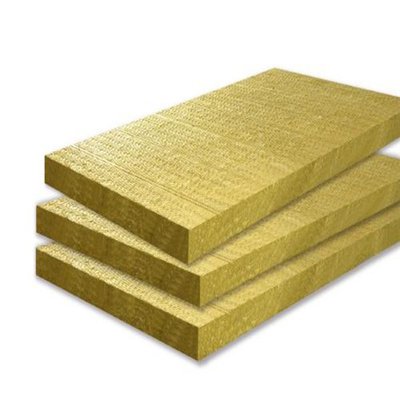
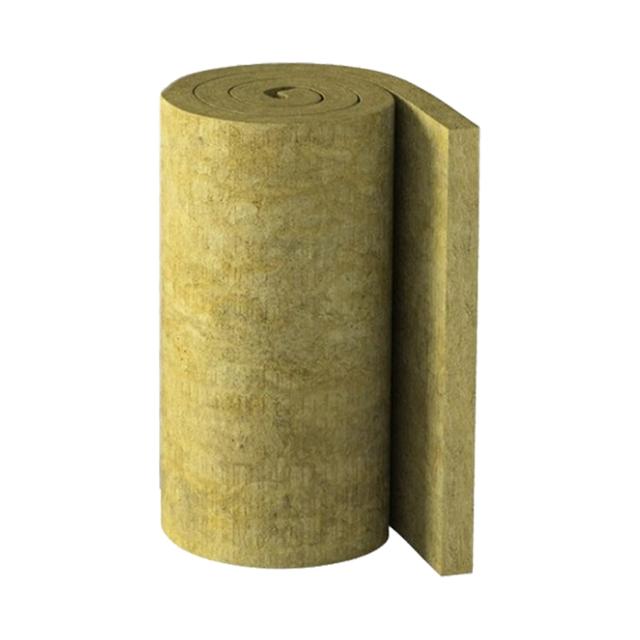
Flexible Mineral Wool Blanket Insulation for Pipes, Boilers, Ducts and Building Envelopes
Reliable Heat and Fire Protection from a Mineral Wool Blanket Manufacturer
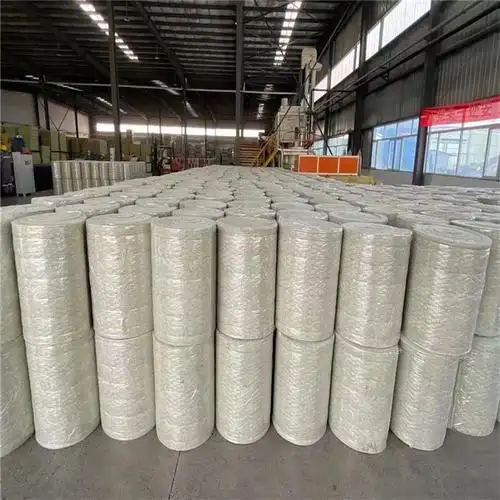
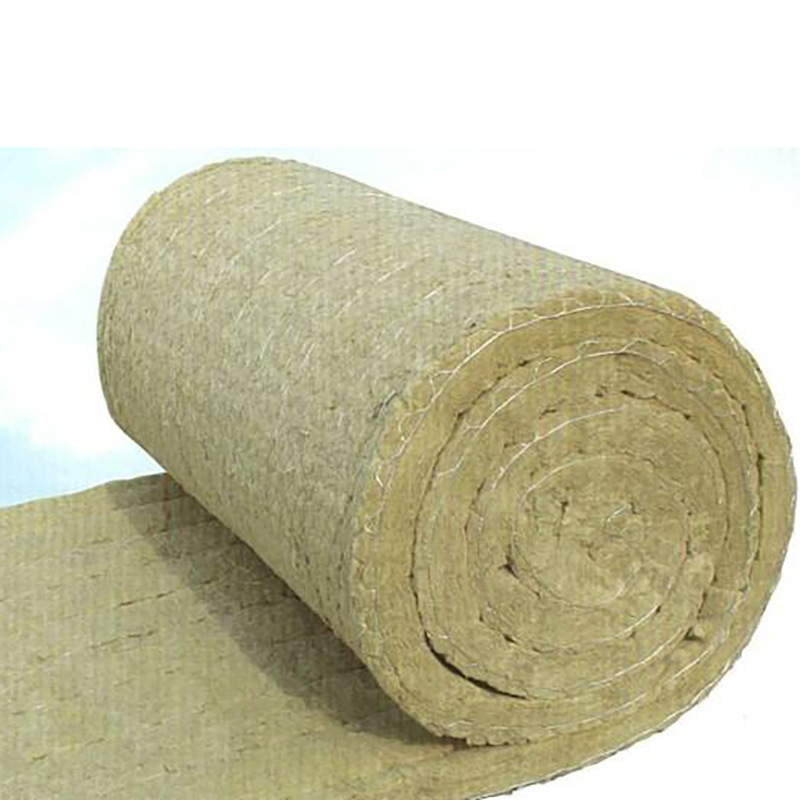
Bare hot surfaces waste energy, burn workers and add noise to a plant. Xiaolong makes mineral wool blanket rolls that wrap tightly around pipes, vessels, ducts and wall cavities to cut heat loss and slow fire spread. Every roll is produced for steady fiber quality and even thickness, and our team shares practical selection advice drawn from real project work. Contact us for product details and supply options.
Mineral Wool Blanket Structure and Material Benefits
Conformable Fiber Structure
The blanket bends around elbows, valves and flanges in one piece, so there are fewer seams where heat can escape.
Keep it at full thickness when fixing. A blanket crushed flat by tight bands loses much of its insulating value.
Low Heat Transfer
Fine, interlocked fibers hold still air, so the outer surface stays far cooler than bare metal.
Two thinner layers with staggered joints usually work better than one thick layer, because heat has no straight path through a seam.
Non-Combustible Fire Behavior
Mineral fiber does not feed a fire and stays in place at temperatures where foam plastics melt or burn.
This makes the mineral wool blanket a safe choice for boiler rooms, equipment rooms and plant areas where fire spread is a design concern.
Convenient Roll Handling
Light rolls unroll on site and cut with a sharp knife, which keeps labor time down on long pipe runs.
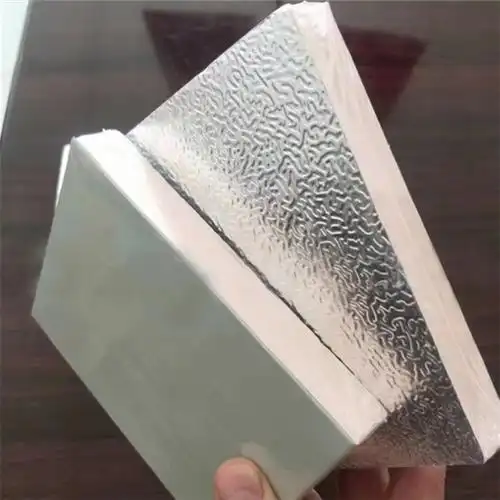
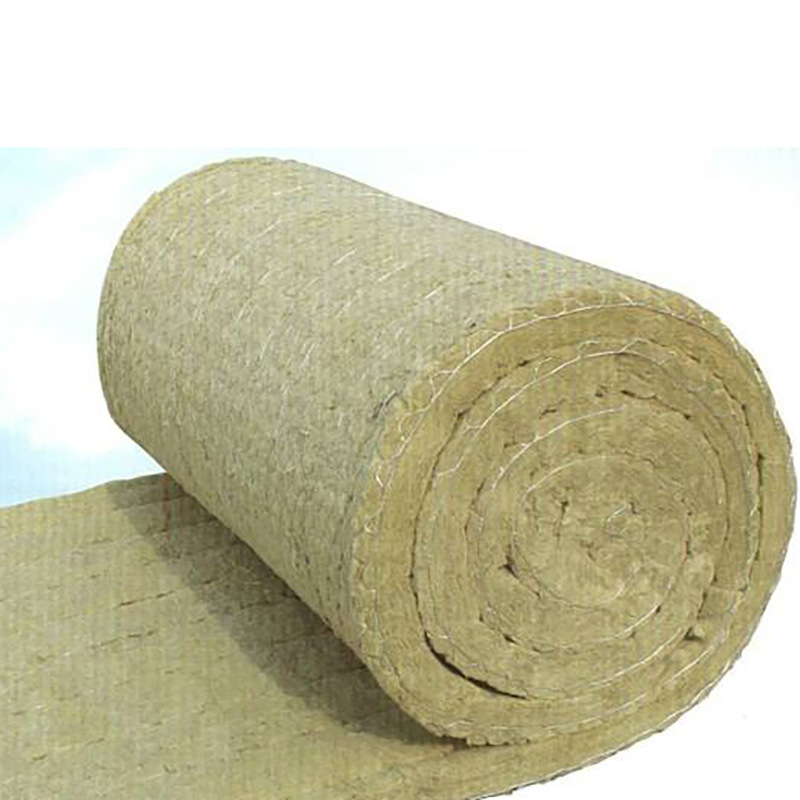
Foil or glass tissue facings add a clean surface and help hold the fibers in place during wrapping.
Mineral Wool Blanket Dimensions and Technical Data at a Glance
| Parameter | Specification |
|---|---|
| Material Composition | Mineral Wool Fiber |
| Density | Available in Different Density Grades |
| Thickness | Multiple Thickness Options |
| Roll Width | Available in Different Widths |
| Roll Length | Varies by Thickness and Density |
| Facing Material | Unfaced, Aluminum Foil, or Glass Tissue |
| Thermal Conductivity | Depends on Material Type and Test Temperature |
| Temperature Resistance | Depends on Fiber Composition and Facing |
| Moisture Resistance | Depends on Surface Treatment and Facing |
Higher density suits vertical walls and vibrating equipment, while lighter grades work well on ducts and wall cavities. For a deeper look at how density, thickness and facing affect real performance, read our guide to rock wool blanket insulation benefits, applications and key selection factors.
Thermal Insulation across Industrial Plants, HVAC Systems and Building Envelopes
Boiler and Furnace Casings
Wrapped around boiler shells, flue gas ducts and economizer housings to hold heat in and keep outer surfaces safe to approach.
On the first heat-up, raise the temperature gradually so the binder burns off cleanly and any odor clears quickly.
Process Pipework and Storage Tanks
Used on steam lines, hot oil circuits and tank shells to hold process temperature over long distances.
On vertical vessels, add support rings so the mineral wool blanket does not slump over time.
Outdoors, seal joints in the metal cladding. Wet insulation on steel can hide corrosion for years.
HVAC Duct Networks
Foil-faced rolls cover supply and return ducts, cutting heat gain and loss along the run.On chilled-air ducts, tape every seam of the facing so moist air cannot reach the cold metal.
Walls, Roofs and Plant Rooms
Fits steel-frame wall cavities and under-roof layers where fire safety and sound control matter together.
Lines the walls of pump rooms and generator enclosures to calm noise. For more on its fire and durability profile, see this overview of a flexible, fireproof and durable rock wool blanket for construction and industry.
Mineral Wool Blanket Questions on Installation and Everyday Use
1. How should joints and supports be handled when wrapping a mineral wool blanket on hot pipework?
Butt the edges tightly, stagger the seams between layers, and fix the blanket with stainless wire or bands at even spacing without over-tightening. Pipe hangers and supports are common thermal bridges, so insulate around them as well.
2. Is a mineral wool blanket itchy or unsafe to handle without protection?
The loose fibers can irritate skin, eyes and airways. Wear gloves, long sleeves, goggles and a dust mask while cutting and fitting, and clean up with a vacuum rather than a broom. Once the blanket is sealed behind cladding or a wall lining, it is no longer in contact with people.
3. Why can a new blanket give off a light smell the first time equipment is heated?
The small amount of binder in the fiber burns off during the first heat-up. This is short-lived and not a defect. Ventilate the area and bring the equipment up to temperature in steps.
4. Can I use a mineral wool blanket for home soundproofing or a garage workshop?
Yes. Fit it into wall or ceiling cavities to absorb sound bouncing inside the structure. The blanket works best with added mass, such as double plasterboard, and with gaps sealed. Keep it dry at all times.
5. Can a mineral wool blanket be removed and reused during equipment maintenance?
If it is held by wire or fitted in removable jackets, it can be taken off and refitted. Reuse only sections that are dry, uncrushed and undamaged, and replace any that have soaked up water or lost their thickness.
Bring Your Drawings and Get a Matching Mineral Wool Blanket Proposal
Whether you are insulating one boiler house or tendering for a full plant, Xiaolong can support the work with custom specifications, bulk wholesale supply, project tender support and factory test documents. Send us your operating temperature, surface size and site conditions, and our team will recommend a mineral wool blanket that fits the job. Reach out today and move your project forward with a supplier that answers quickly and speaks plainly.