
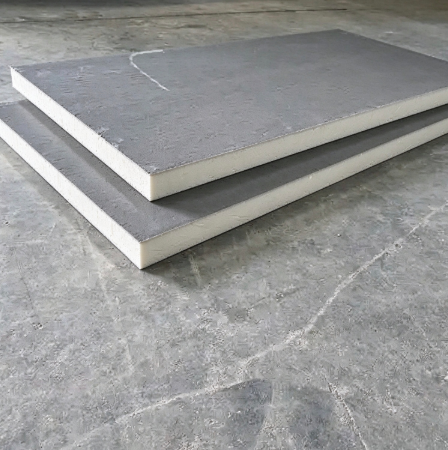
Thin Walls, Low Heat Loss: Xiaolong Polyurethane Rigid Panel Insulation for Roofs, Floors and Cold Rooms
Rigid Polyurethane Insulation Boards From a Manufacturer that Starts with Your Assembly
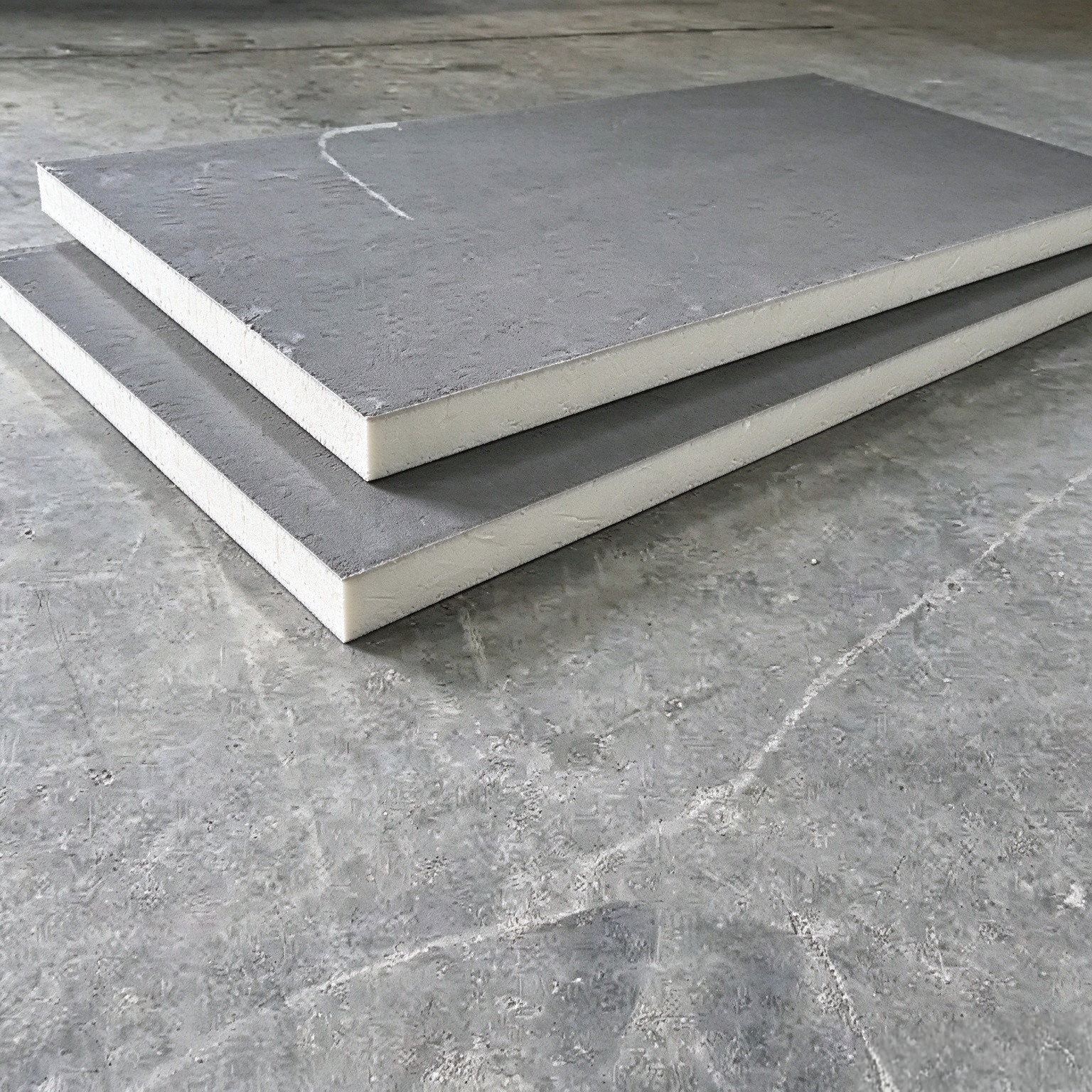
When roof or wall depth is limited, every millimeter of insulation has to work harder. Xiaolong manufactures polyurethane rigid panel insulation that gives low heat transfer in a slim, light board, with steady density and thickness from batch to batch. Tell us the assembly you are building and the thermal target you need to reach, and our team will recommend the board thickness and facing that fit.
Low Heat Flow, Firm Support and Easy Handling in One Board
Low Thermal Conductivity in a Slim Profile
Over 90% closed cells trap a low-conductivity gas, so Xiaolong polyurethane rigid panel insulation reaches a given thermal target with a thinner board than EPS or mineral wool.
Less thickness means lower parapets, shallower wall build-ups and fewer detailing problems on retrofit jobs.
Compressive Strength for Loaded Assemblies
The rigid cell structure of our polyurethane rigid panel insulation stays flat under roof ballast, floor screed and walking traffic.
Even density across the board gives an even support surface, which helps membranes and slabs sit without dips.
Facings Chosen for the Job
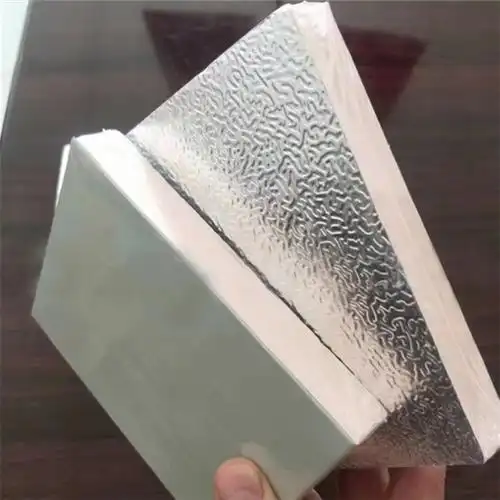
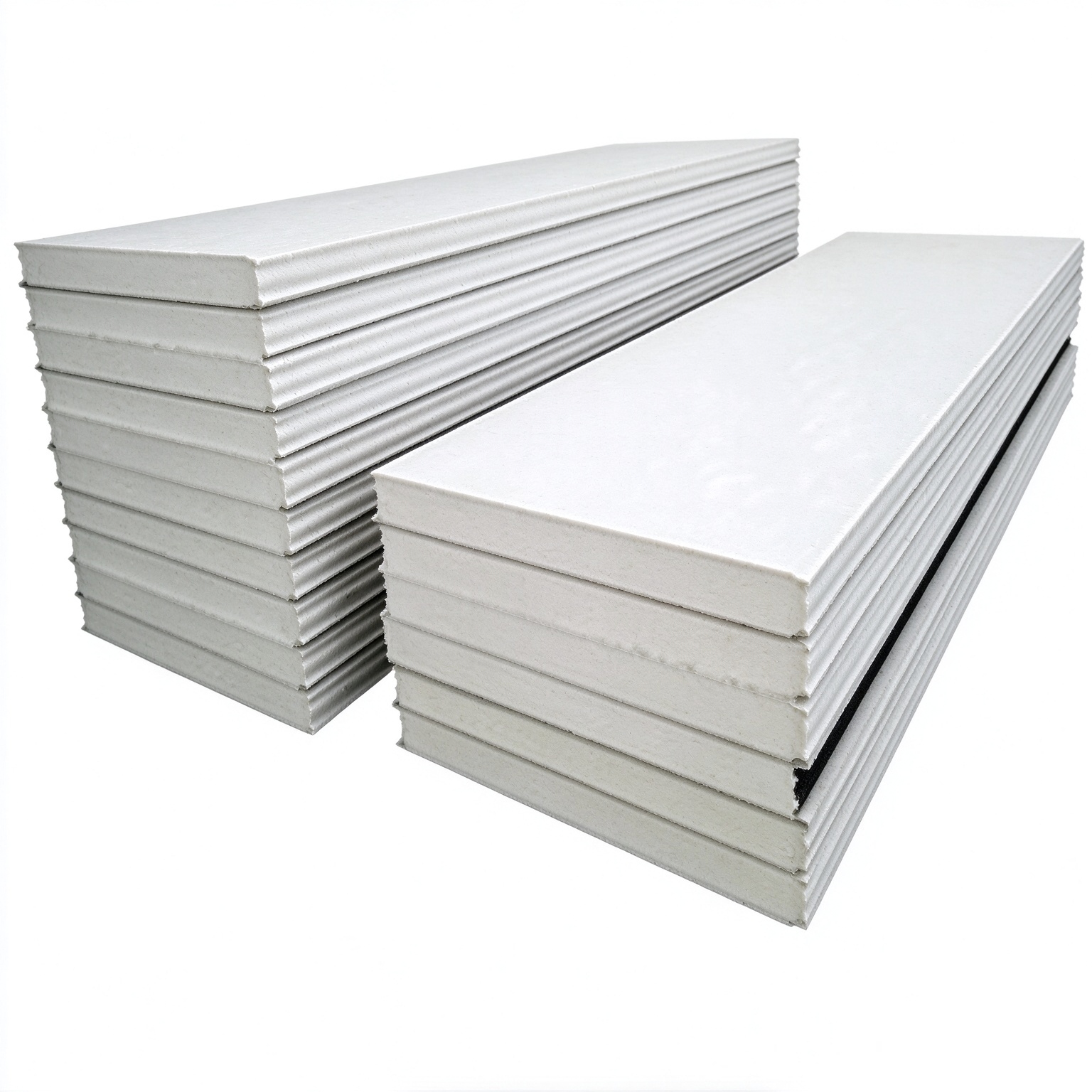
Each polyurethane rigid panel insulation board can carry the facing the job needs: aluminum foil for moist or exterior-side use, glass-fiber cloth for bonding to mortar and adhesives, and kraft paper for dry interior lining.
Facing and core are bonded across the full face, so the board does not delaminate during handling and cutting.
Light Boards, Clean Cuts
At about 40 kg/m³, a 50 mm board weighs only around 2 kg per square meter, so one person can carry and place it.
A fine-tooth saw or sharp knife gives a straight edge, which keeps joints tight on site.
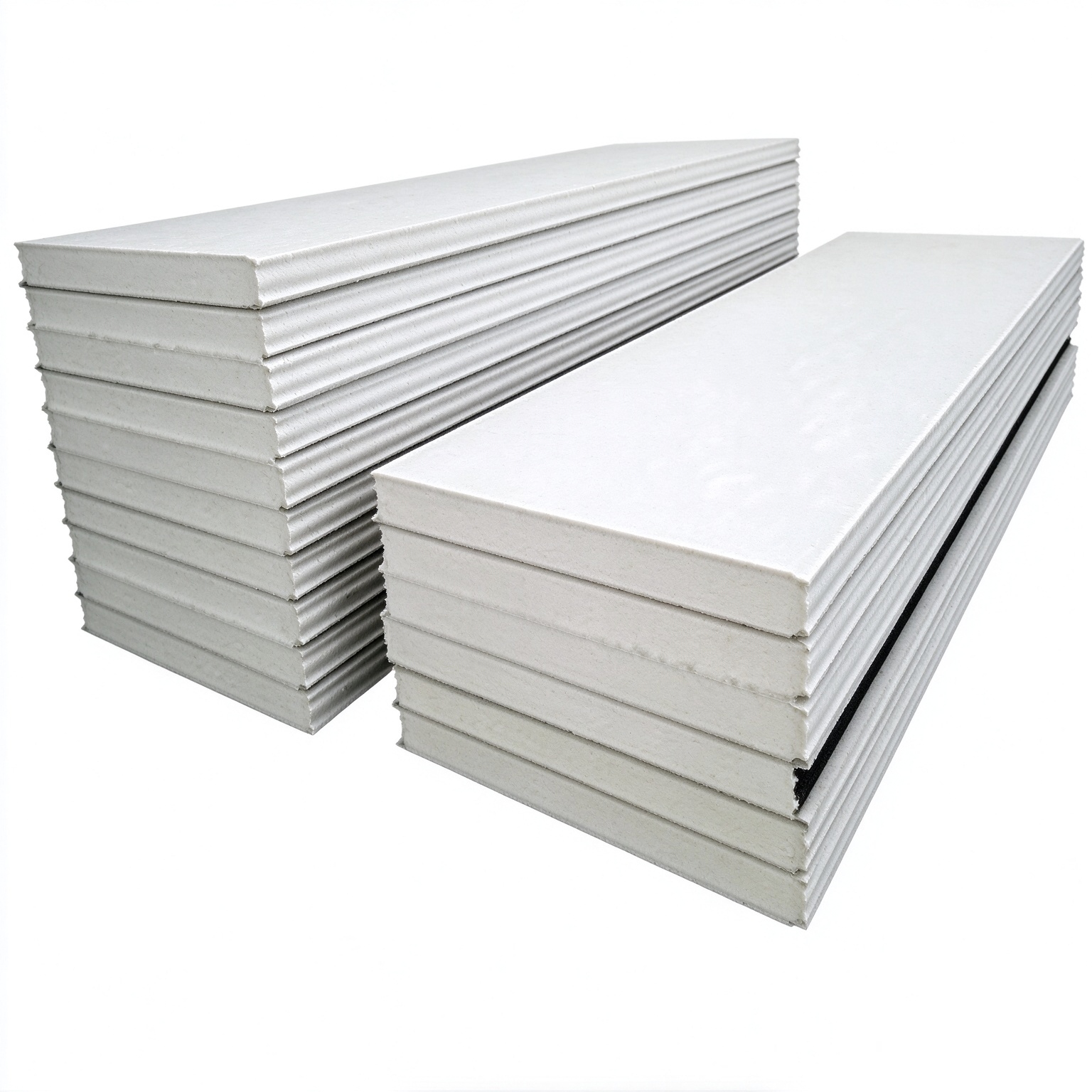
Polyurethane Rigid Panel Insulation Specifications in Brief
|
Parameter |
Specification |
|
Base Material |
Rigid Polyurethane Foam |
|
Panel Structure |
Rigid Insulation Board |
|
Standard Thickness |
Available in Multiple Thicknesses |
|
Panel Length |
Customizable |
|
Panel Width |
Customizable |
|
Core Density |
According to Product Grade |
|
Thermal Conductivity |
According to Manufacturer's Test Data |
|
Compressive Strength |
Available According to Product Grade |
|
Water Absorption |
According to Product Test Data |
|
Dimensional Tolerance |
According to Manufacturing Specifications |
|
Operating Temperature Range |
Confirmed According to Product Grade |
|
Main Application |
Roofs, Walls, Floors, Refrigerated Enclosures |
From Flat Roofs to Cold Rooms: Where Rigid PU Boards Fit
Roof Retrofit Projects
Polyurethane rigid panel insulation is laid over an existing deck to add insulation without raising flashings and parapets by much.
Staggered board joints and a compatible adhesive or mechanical fixing keep the layer stable under the waterproofing membrane.
Under-Slab and Floor Insulation
Firm enough to carry a concrete slab or screed over garages, basements and ground floors.
Closed cells keep ground moisture from soaking into the insulation layer.
Cold Rooms and Refrigerated Enclosures
Low conductivity in polyurethane rigid panel insulation keeps wall and ceiling thickness reasonable, which saves floor area inside the room.
Place the vapor control layer on the warm side and tape every joint to stop frost build-up in the wall.
Wall Lining and Cavity Insulation
Polyurethane rigid panel insulation is fixed behind gypsum board or plywood to line interior walls in houses, offices and workshops.
Fits into cavity walls where space is tight and a thin, high-performance layer is needed.
Aging, Loading, Moisture and Fire: What Buyers Ask before Specifying
1. Does the thermal value stay the same for the life of the building?
Not exactly. The gas in the cells slowly exchanges with air during the first years, so conductivity drifts up a little before it settles. Design polyurethane rigid panel insulation with the aged value rather than the fresh-foam figure, and ask any supplier for it. Gas-tight facings such as aluminum foil slow this drift, and our guide to choosing a polyurethane insulation board supplier explains which questions to ask.
2. Can I cut and install polyurethane rigid panel insulation myself?
Yes, with basic tools. Mark the line, score with a sharp knife or cut with a fine-tooth saw, and wear a dust mask in a ventilated space. Use foam-compatible adhesives only, because some solvent-based products melt the foam, and tape every joint so no gaps open up.
3. How much load can polyurethane rigid panel insulation carry in a floor or roof?
The compressive strength in the table is a short-term figure. A board under a permanent load slowly creeps, so design sustained loads at a fraction of that number and spread heavy point loads with a slab, screed or plywood layer. Your structural engineer can confirm the safe level for the actual build-up.
4. Is polyurethane insulation safe to use indoors, and does it burn?
Polyurethane is an organic foam, so it is combustible. Standard boards sit at a lower fire class, and flame-retardant grades improve on it. Indoors, always cover the board with gypsum board or another protective layer, and keep it away from flues, heaters and open flames.
5. Where does moisture cause trouble, even though the foam is closed-cell?
The foam itself resists water well. Problems come from moisture trapped behind the board, open cut edges and unsealed joints. Install on a dry, sound substrate, seal joints with tape that matches the facing, and shield unfaced boards from sunlight outdoors, since UV slowly damages the surface. Our article on whether polyurethane foam board can get wet covers edge protection in more detail.
Send Us the Assembly, We'll Send Back the Board
Xiaolong supports project buyers with bulk wholesale supply, tailored specifications, tender support and factory test data for your reviewers. Here is how a typical project starts:
- Share your drawing, the thermal target and the load or temperature conditions.
- We propose a thickness, density and facing for the assembly.
- You review the proposal, and we confirm the supply plan for your project.
Need help comparing options first? Read our supplier checklist, then contact the Xiaolong team to start your polyurethane rigid panel insulation inquiry.