Building Insulation Waterproof Selection Guide | Rock Wool, HDPE Geomembrane, Color Steel Sandwich Panel
Introduction
Building insulation and waterproofing are two core systems that determine the safety, energy efficiency, and service life of industrial buildings. For overseas contractors, factory builders, and project procurement teams, mismatched insulation materials or incorrect waterproof membranes often lead to poor thermal performance, water leakage, corrosion risks, and long-term maintenance costs. This professional selection guide systematically explains how to choose rock wool, glass wool, polyurethane insulation, HDPE geomembrane, waterproof membranes, and color steel sandwich panels according to different project scenarios, helping users make accurate and cost-effective material decisions.
Thermal Insulation Material Selection for Industrial Buildings
Thermal insulation materials are mainly used for factory roofs, walls, and HVAC pipelines, with clear differences in thermal conductivity, fire resistance, and applicable temperature.
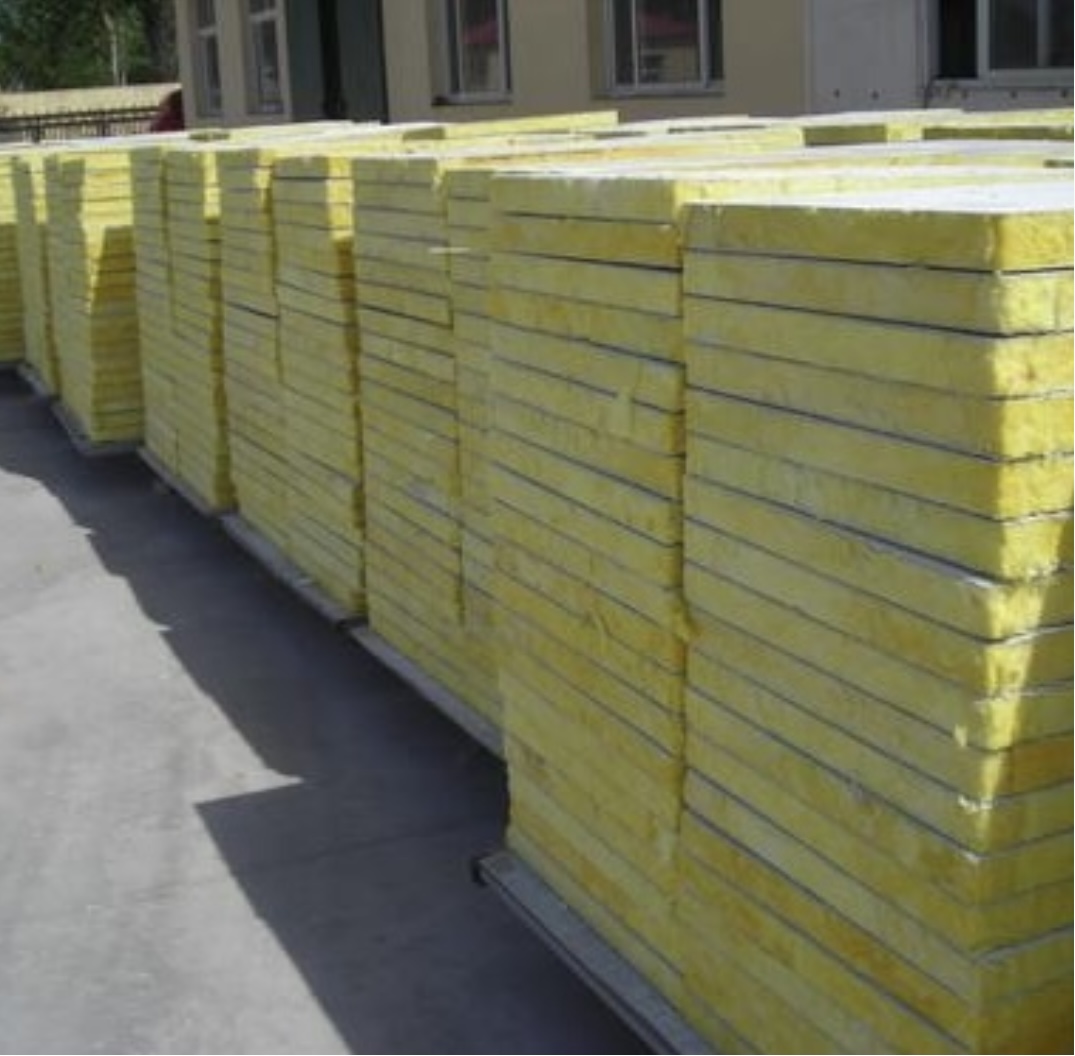
Rock wool is an A1-class non-combustible insulation material with a melting point over 1000℃ and thermal conductivity between 0.036–0.043 W/(m·K). It is the preferred material for fireproof workshops, high-temperature industrial areas, and chemical plants. Rock wool blanket, board, and pipe provide stable fire resistance and thermal insulation for high-fire-risk construction projects.
Glass wool features a lightweight structure, excellent sound absorption, and A-class fire performance. With a thermal conductivity of 0.032–0.040 W/(m·K) and a maximum service temperature of 538℃, it is widely used for ordinary steel structure workshops, ventilation systems, and indoor noise reduction projects.
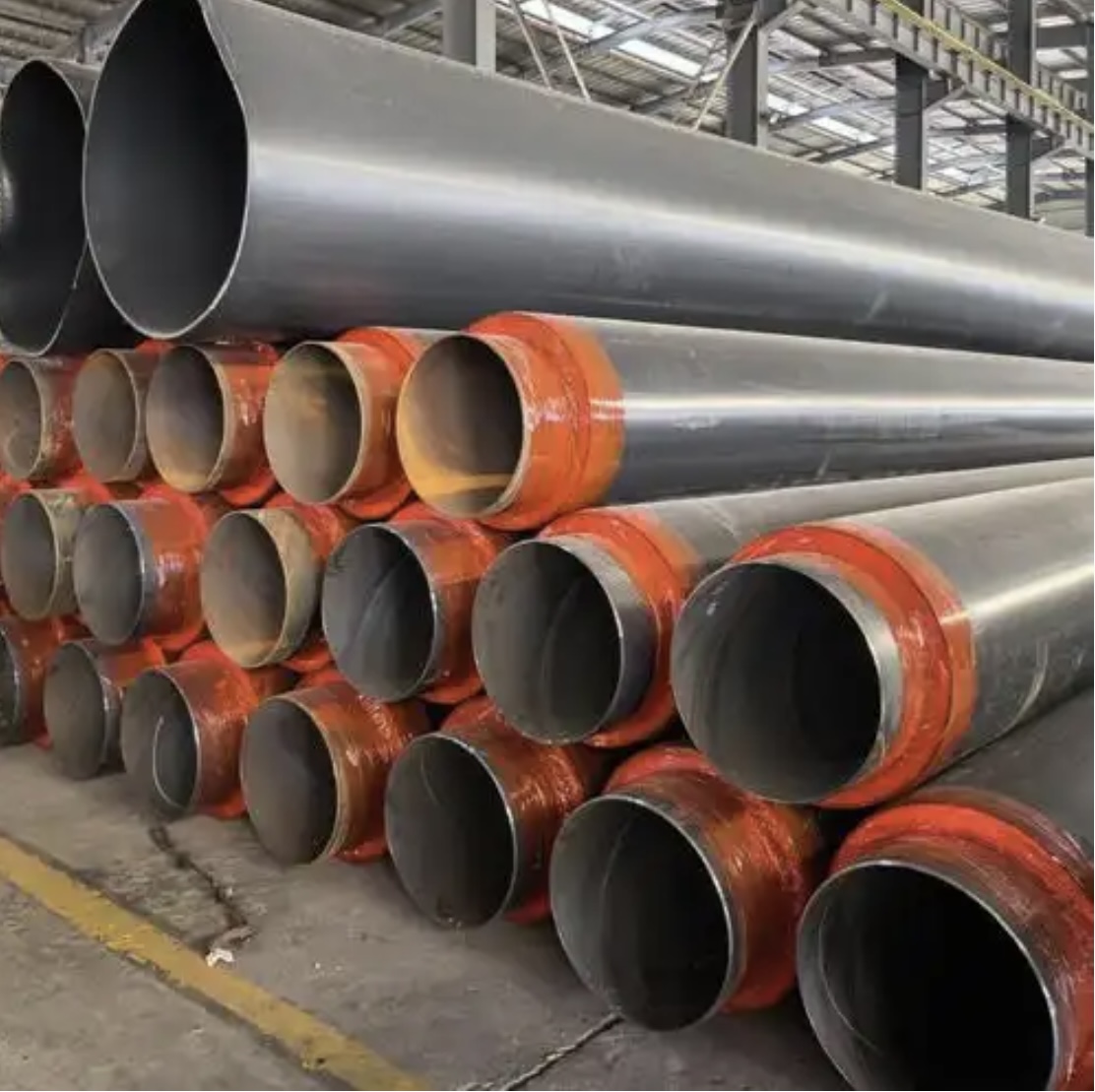
Polyurethane insulation offers the lowest thermal conductivity at 0.018–0.024 W/(m·K). As the best thermal preservation material for low-temperature environments, PU boards and pipes are standard for cold storage, cold chain warehouses, and constant-temperature buildings.
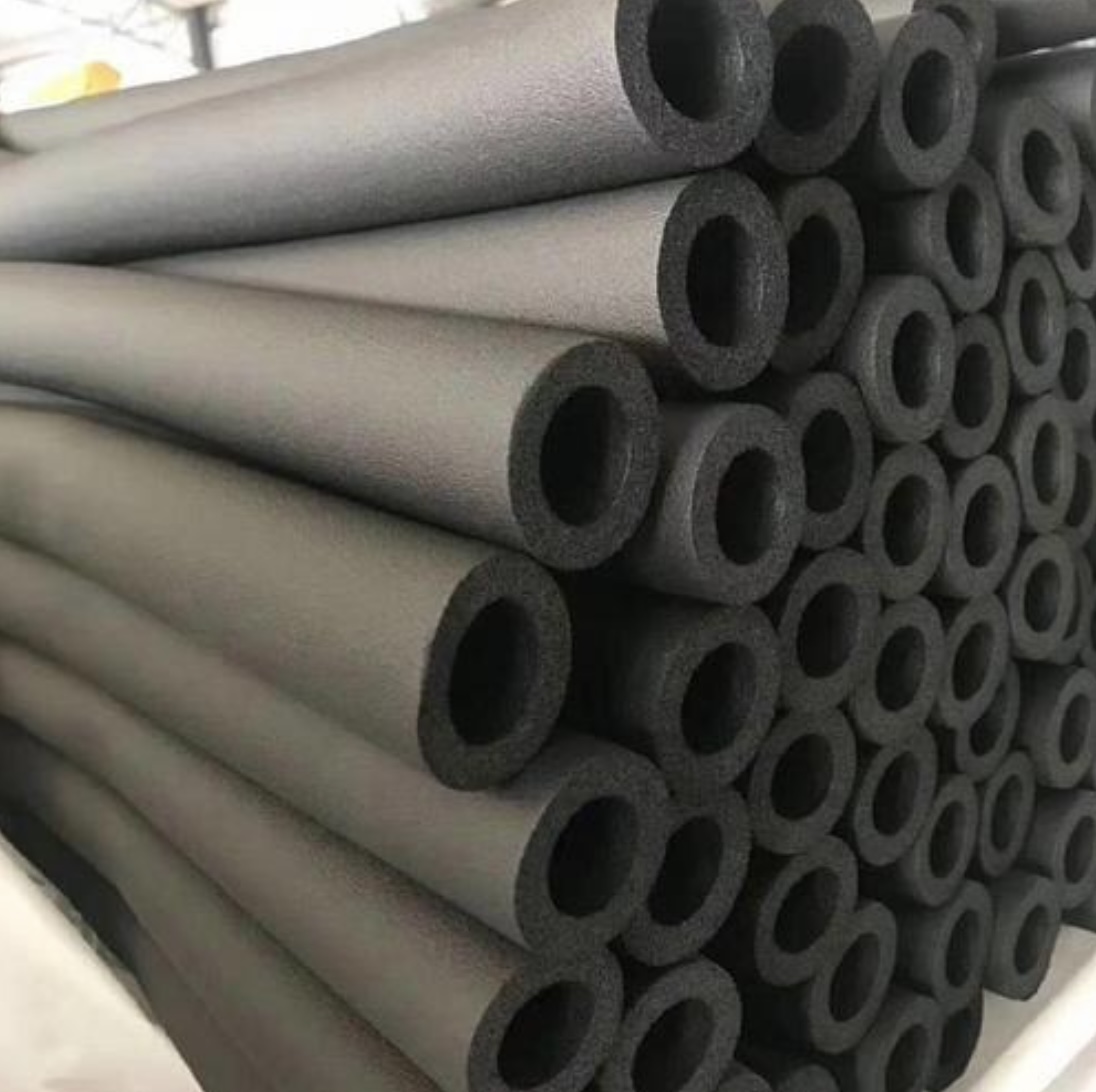
Rubber plastic sponge with over 90% closed-cell structure provides outstanding moisture-proof and anti-condensation performance, ideal for air conditioning, water supply, and refrigerant pipeline insulation in humid working conditions.
Waterproof Membrane & HDPE Geomembrane Application Rules
Different waterproof materials are designed for completely independent scenarios and cannot be substituted blindly.
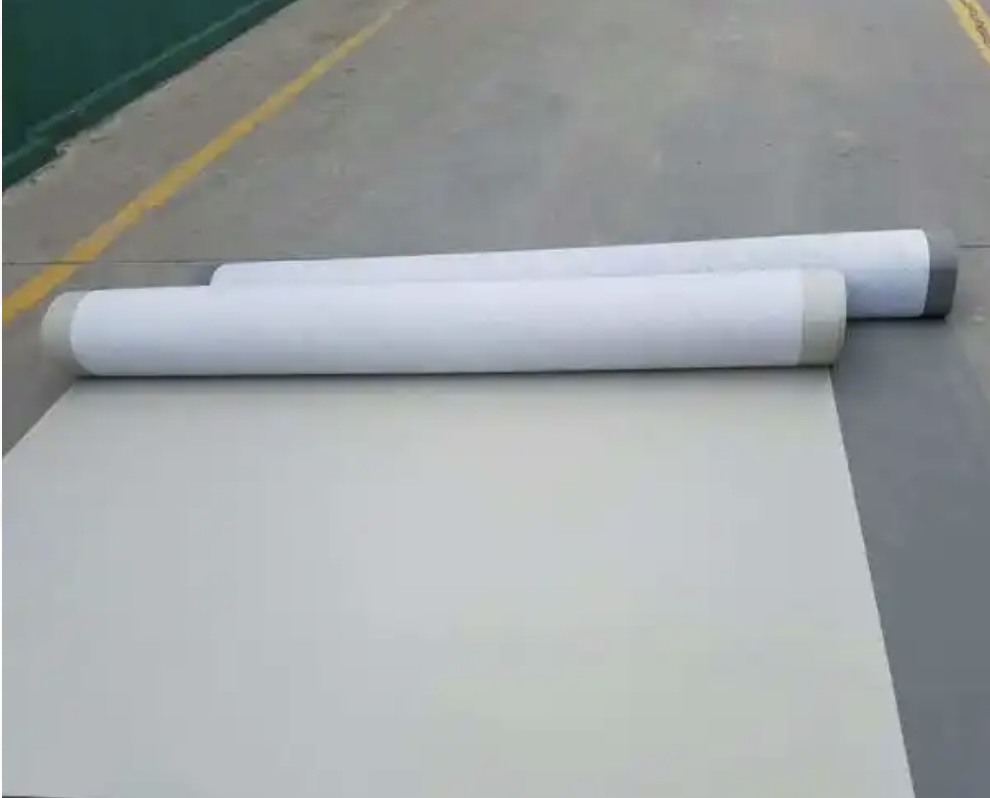
TPO waterproof membrane features a plasticizer-free formula, strong UV resistance, and aging resistance. It is the best choice for exposed steel factory roofs and photovoltaic roof waterproofing due to long-term outdoor stability.
PVC waterproof membrane provides excellent acid and alkali corrosion resistance with reliable hot-air welding performance, making it suitable for chemical factories, sewage treatment buildings, and corrosive environment waterproofing.
SBS modified bitumen membrane is cost-effective with good low-temperature flexibility, but only suitable for non-exposed basement and covered roof waterproofing.
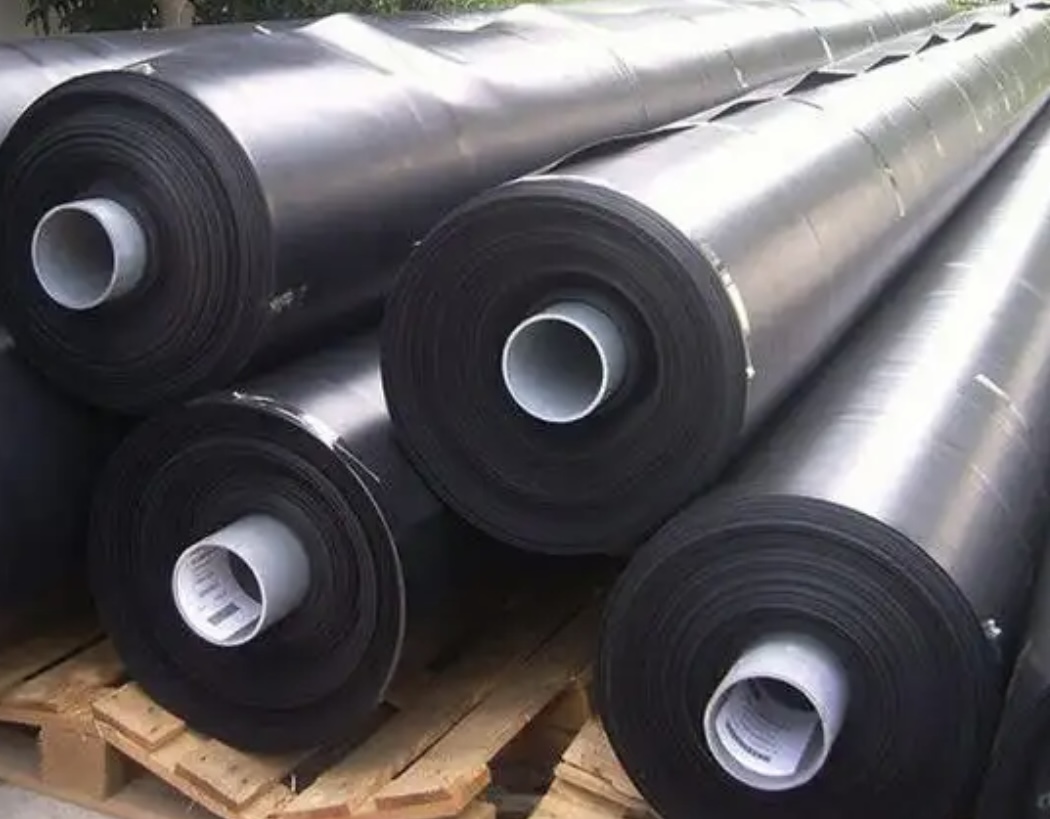
HDPE geomembrane is a professional anti-seepage material with a permeability coefficient lower than 1×10⁻¹²cm/s. With strong puncture resistance and chemical stability, it is exclusively used for landfills, sewage pools, and chemical tank anti-seepage projects.
Color Steel Sandwich Panel Matching Strategy
Color steel sandwich panels determine the overall enclosure performance of industrial workshops. According to GB/T 23932-2025 standards, different core materials correspond to different building functions.
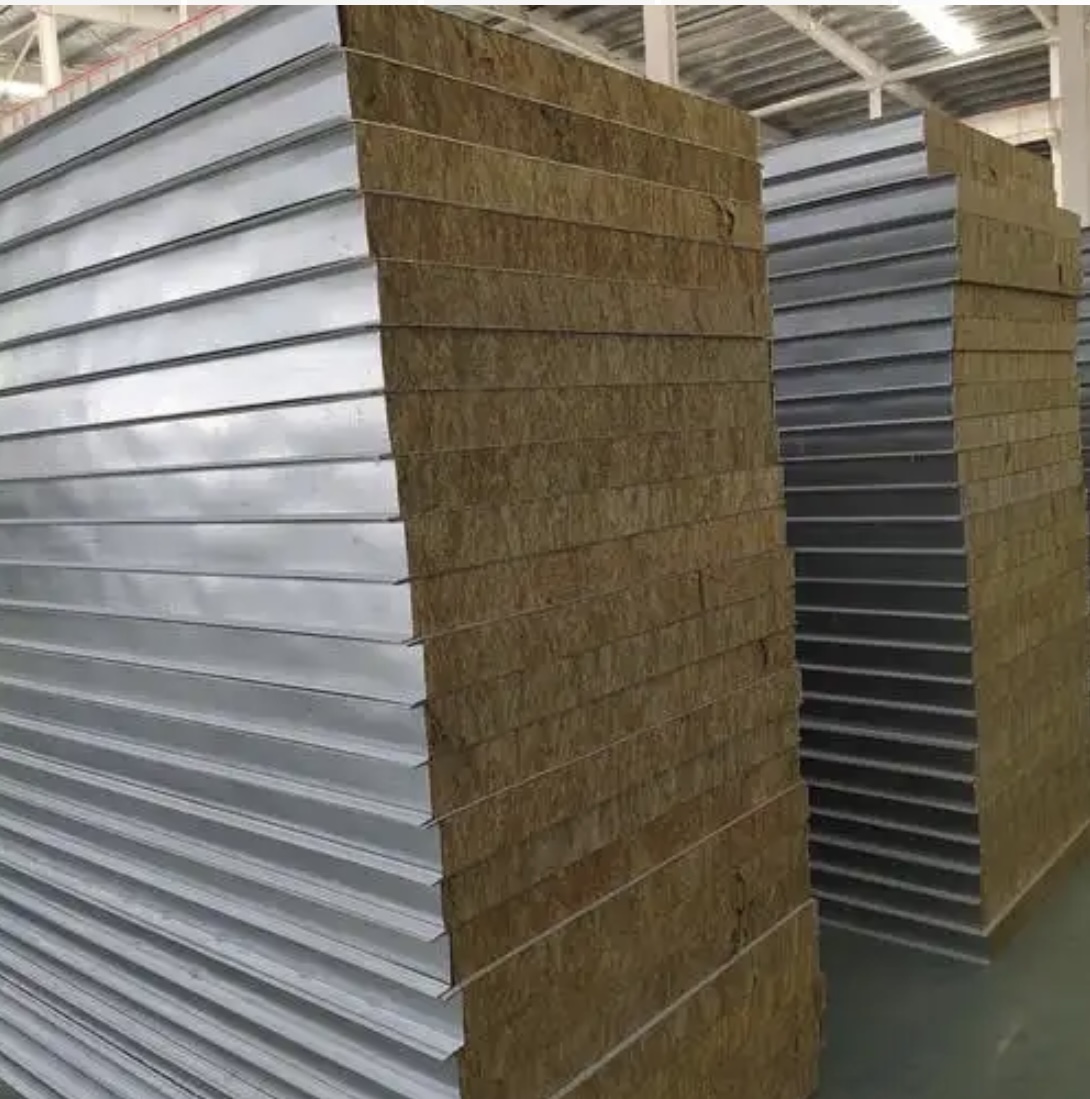
Rock wool sandwich panels provide A1 fireproof performance for fire-resistant factories and chemical plants. Glass wool sandwich panels offer economical thermal insulation for standard light steel workshops. Polyurethane sandwich panels deliver ultra-low thermal conductivity, specially customized for cold chain and low-temperature warehouses.
Project-Based Quick Selection Solution
For general steel structure factories, combine rock wool insulation, TPO roof membrane, and rock wool sandwich panels to balance fire resistance, weather resistance, and durability. For cold storage projects, polyurethane insulation boards and PU sandwich panels ensure a stable low-temperature insulation effect. For chemical industrial plants, rock wool insulation matched with PVC corrosion-resistant waterproofing effectively resists chemical erosion. For environmental anti-seepage projects, HDPE geomembrane is the only reliable solution for zero-leakage requirements.
Conclusion
Reasonable insulation and waterproof material selection can greatly improve building safety, energy-saving performance, and service life. Rock wool, glass wool, and polyurethane cover all thermal insulation demands from high-temperature fireproof to low-temperature cold preservation. TPO, PVC, and SBS membranes meet different building waterproof needs, while HDPE geomembrane solves professional anti-seepage problems. Matched with standardized color steel sandwich panels, these materials form a complete industrial building material system for overseas factory construction, helping buyers optimize project quality and overall cost control.