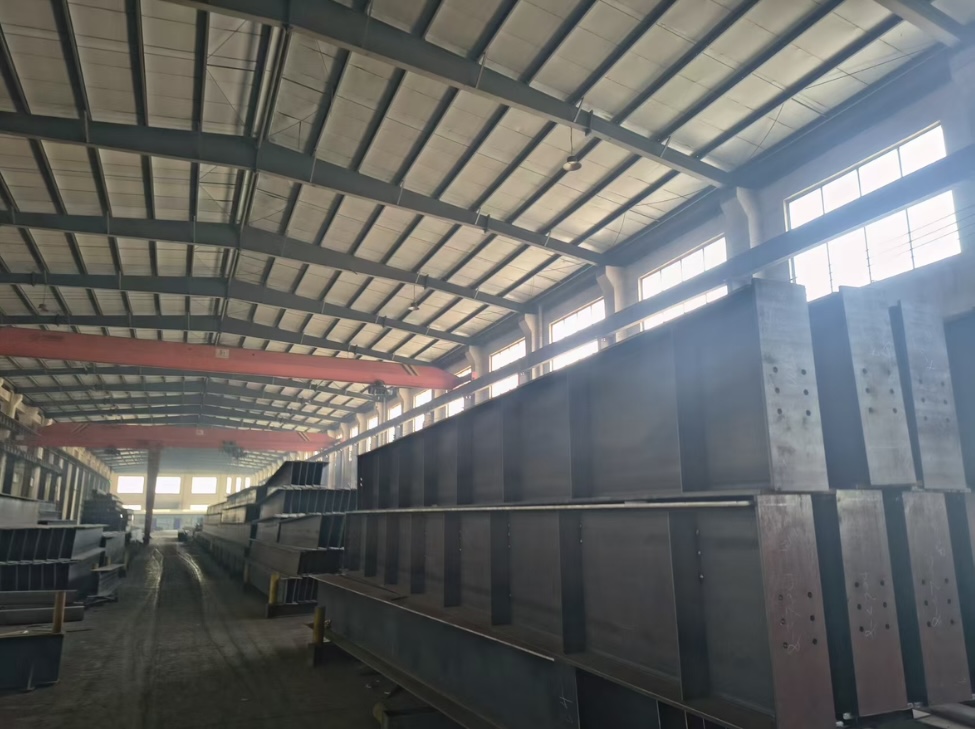
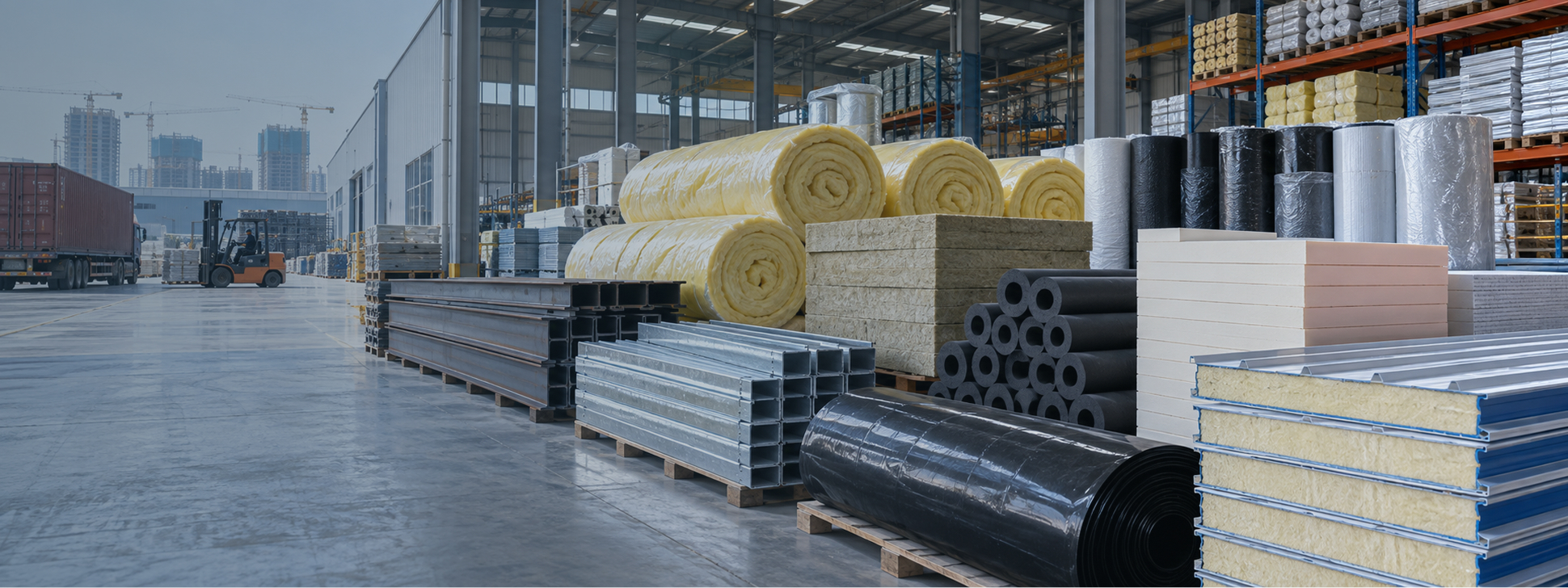




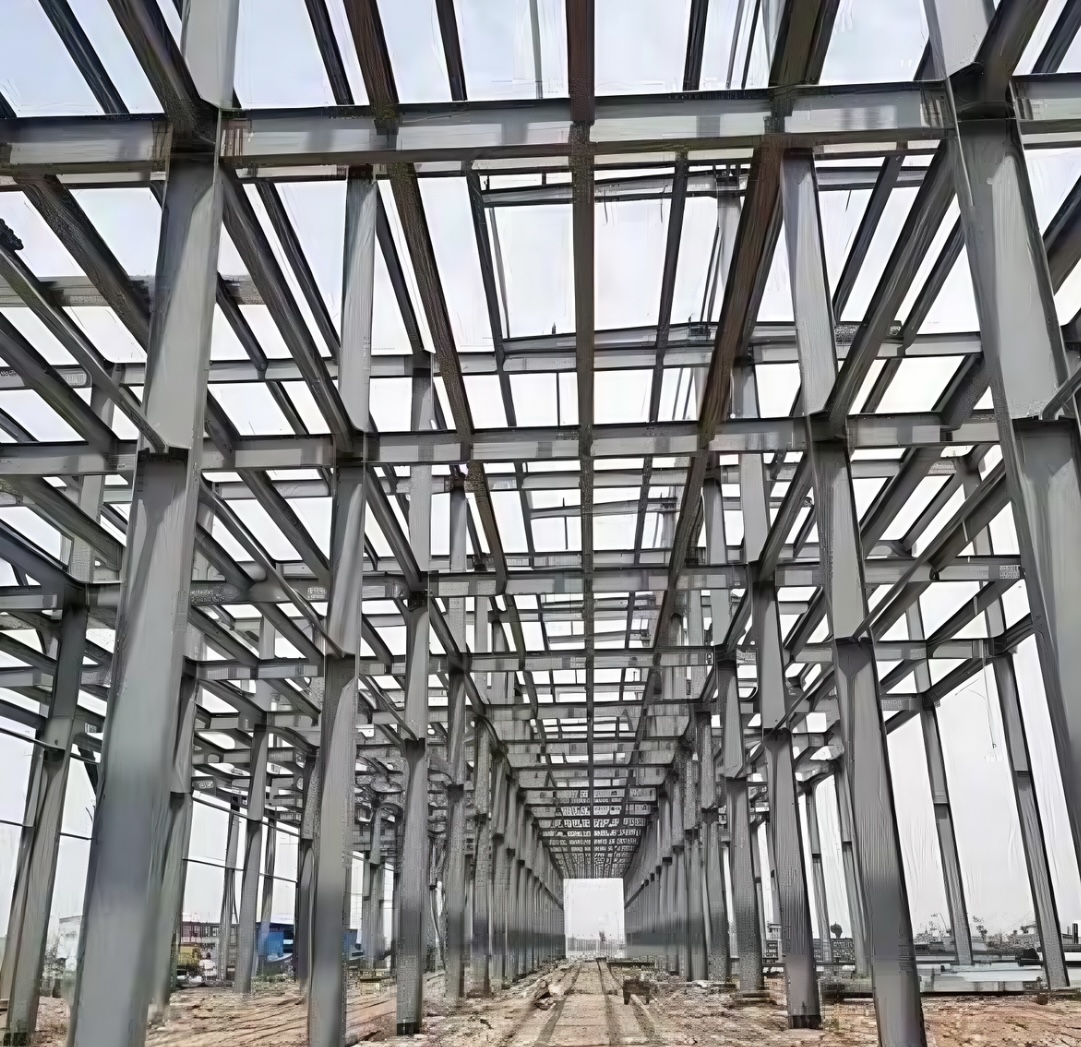
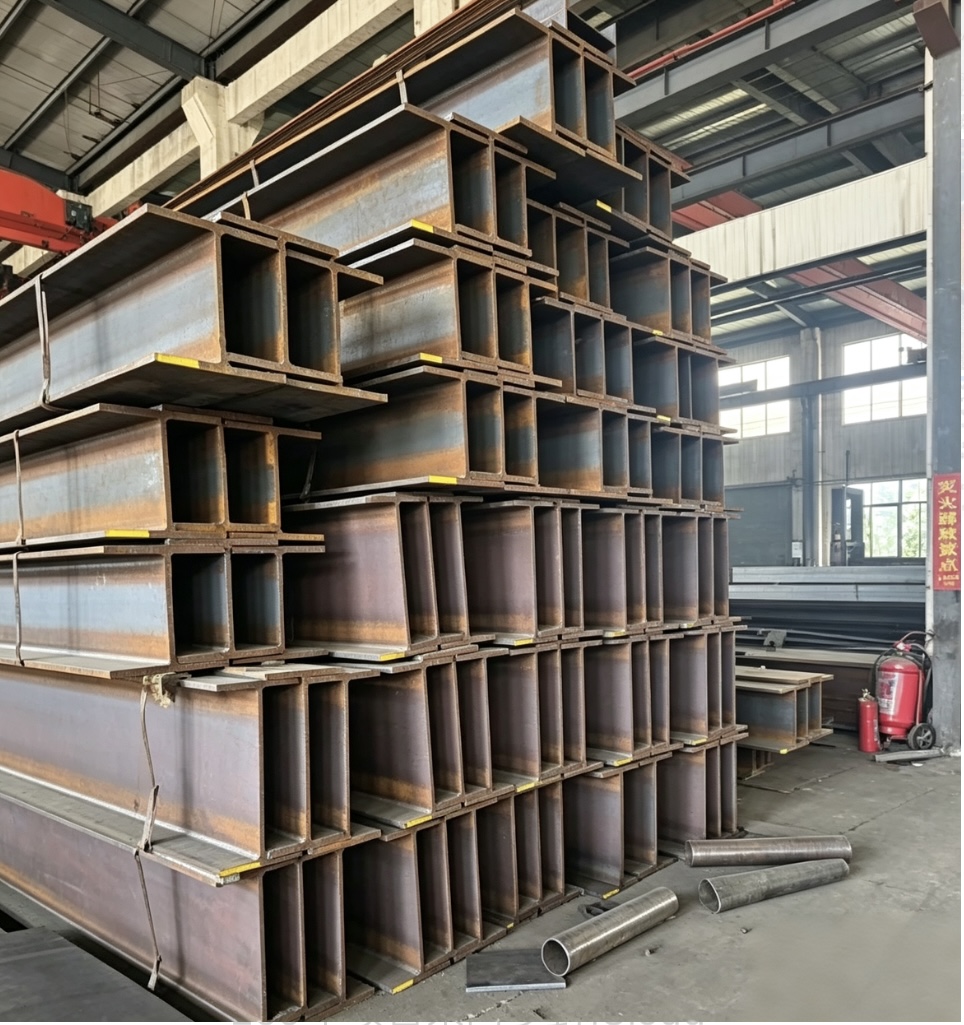
Structural Steel Beam Processing Built to Your Drawings: Cut, Drilled and Marked for Bolt-Up on Site
Structural Steel Beam Processing Manufacturer for Frames that Go Up Without Rework
A beam that arrives a few millimetres off costs far more to fix on site than in the shop. Xiaolong supplies structural steel beam processing for contractors and fabricators who want H-beams, channels and other sections delivered cut, drilled and ready for assembly. We work from your drawings, so the steel you receive matches the connection you designed. Send us your shop drawings and bolt schedule, and we will start planning your next steelwork batch.
Prepared Steel Sections for Assembly Workflows
Length Accuracy Held across the Whole Batch
Pieces are saw cut to the drawing length, and the first and last piece of a run are measured against each other.
Small length errors add up in a long frame, so we check the stack-up, not only single pieces.
Hole Layouts Matched to Bolt Fit-Up
Hole diameter, pitch and edge distance follow the bolt size and the connection detail.
Burrs are removed before coating, so bolts seat flat and paint does not crack at the hole edge.
Heat-Aware Cutting and Distortion Control
Thin webs and long members are cut in a sequence that limits heat build-up.
Camber and sweep are checked after cutting and welding, before the member is released.
Coping, Bevels and End Plates Prepared Together
Copes, notches and weld bevels are made in the same stage as drilling, so the joint fits the first time.
End plates and cleat plates are fitted to the beam with the correct offset to the hole group.
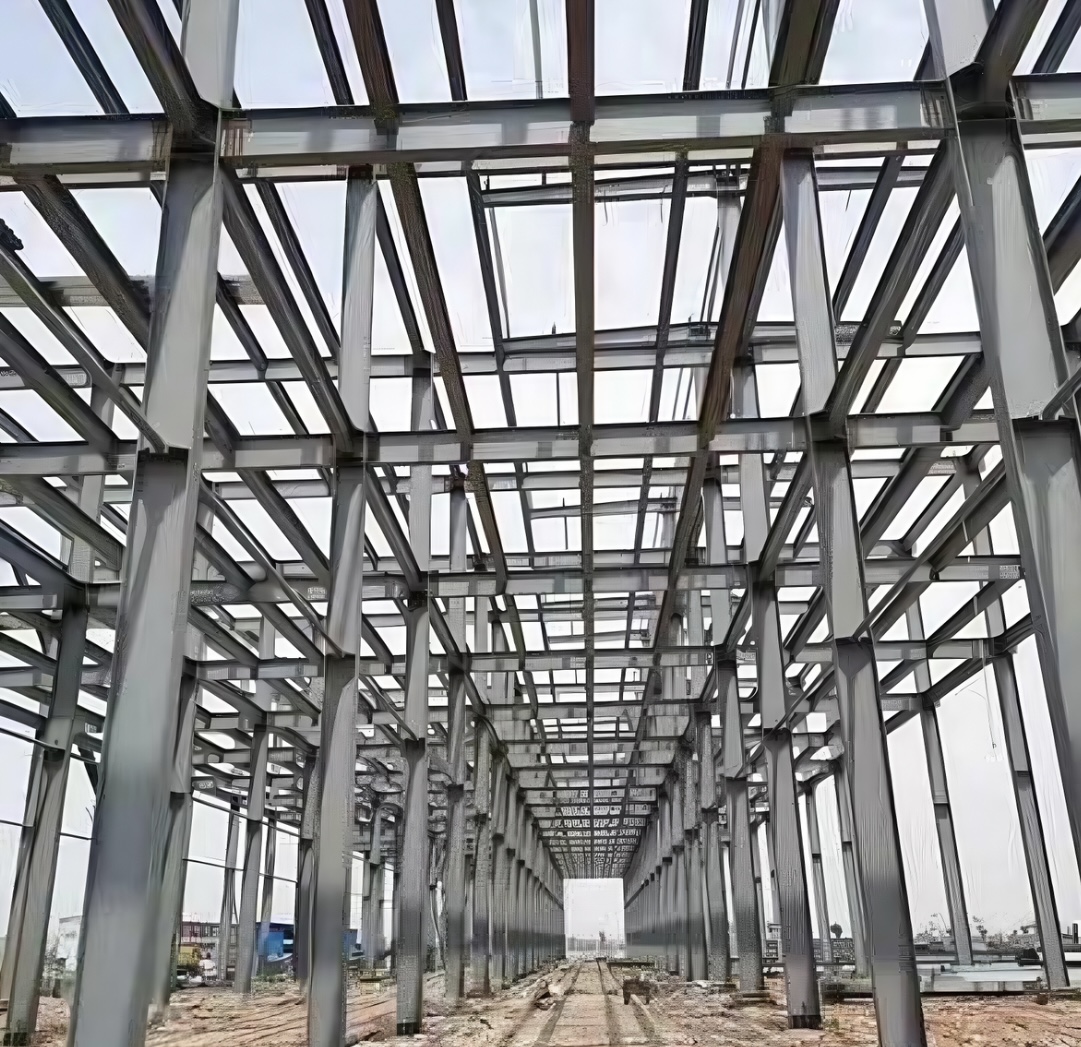
Structural Steel Beam Processing Scope and Specifications
| Parameter | Specification |
|---|---|
| Steel Section Type | H-Beam / C-Channel / Other Specified Profiles |
| Cutting Method | Saw Cutting / Flame Cutting / Other Available Methods |
| Hole Processing | Drilling / Punching, Subject to Section and Design |
| End Preparation | Square Cut / Bevel Cut / Specified Profile |
| Connection Components | End Plates / Cleat Plates / Other Designed Parts |
| Welding Process | According to Fabrication Requirements |
| Surface Treatment | Shot Blasting / Priming / Other Specified Finish |
| Marking Method | Piece Number / Assembly Mark / Project Identification |
The order of operations matters as much as the machines in structural steel beam processing. For a clear explanation of process flow, core procedures and engineering standards, read our steel structure material processing guide.
Crane Support Structures in Industrial Workshops
Multi-Storey Steel Frames
Floor beams and girders with repeated bolt groups that must line up with columns.
Beam ends coped to clear column flanges and neighbouring members.
Offices, hotels and residential blocks where erection speed sets the schedule.
Industrial Crane Runway Beams
Long members where straightness and end squareness affect rail alignment.
Stiffener and bracket positions prepared before blasting.
Workshops, steel mills and heavy-equipment plants.
Long-Span Warehouses and Exhibition Halls
Rafters and purlin supports with matching splice plates.
Large numbers of identical pieces where batch consistency saves site time.
Logistics centres, trade halls and sports facilities.
Mezzanines and Equipment Platforms
Beams and channels drilled for decking, handrails and machine bases.
Compact layouts where one wrong hole position blocks an entire bay.
Factory retrofits and added storage levels.
Steel Grades and Fabrication Questions
1. Does the steel grade change how you cut and drill the beams?
Yes. Common structural grades such as Q235 and Q355 are processed with the same equipment, but higher-strength grades and thick flanges need more care with thermal cutting, hole edge distance and heat input. We check grade and section thickness against the drawing before choosing the cutting route.
2. Can I use a processed beam for a garage, carport or home mezzanine?
Physically, yes, many small projects use the same processed sections. The beam size, however, must come from a structural calculation based on span, load and support conditions. Ask your engineer or designer for the section and connection details, then send them to us for processing.
3. How do you keep beams straight after cutting and welding?
We prefer cold saw cutting for lengths, balance weld runs on both sides of a member, and check camber and sweep before release. Thin webs are the most sensitive to heat, so flame cutting is limited on those sections.
4. Can I drill or trim a processed beam on site?
Small adjustments are possible, but avoid new holes close to flange edges and avoid notches at mid-span or in the tension flange unless an engineer approves. Any cut or drilled area should be cleaned and touched up with primer to stop rust.
5. Which drawing files help you start processing faster?
Shop drawings with piece marks, bolt sizes, edge distances and weld symbols are the base. NC or DSTV, DXF and IFC files are also welcome, and they reduce re-keying of hole positions.
Send Drawings, Get a Processing Plan Back
Xiaolong gives project teams one source for steel sections and the processing that turns them into usable members. Share your drawings and we will review sections, hole groups and connection parts, then return a clear plan for your project. We support bulk wholesale supply, tender-stage quotations and factory test documents, so your purchasing and site teams work from the same information. Reach out today and move your next package into production planning.