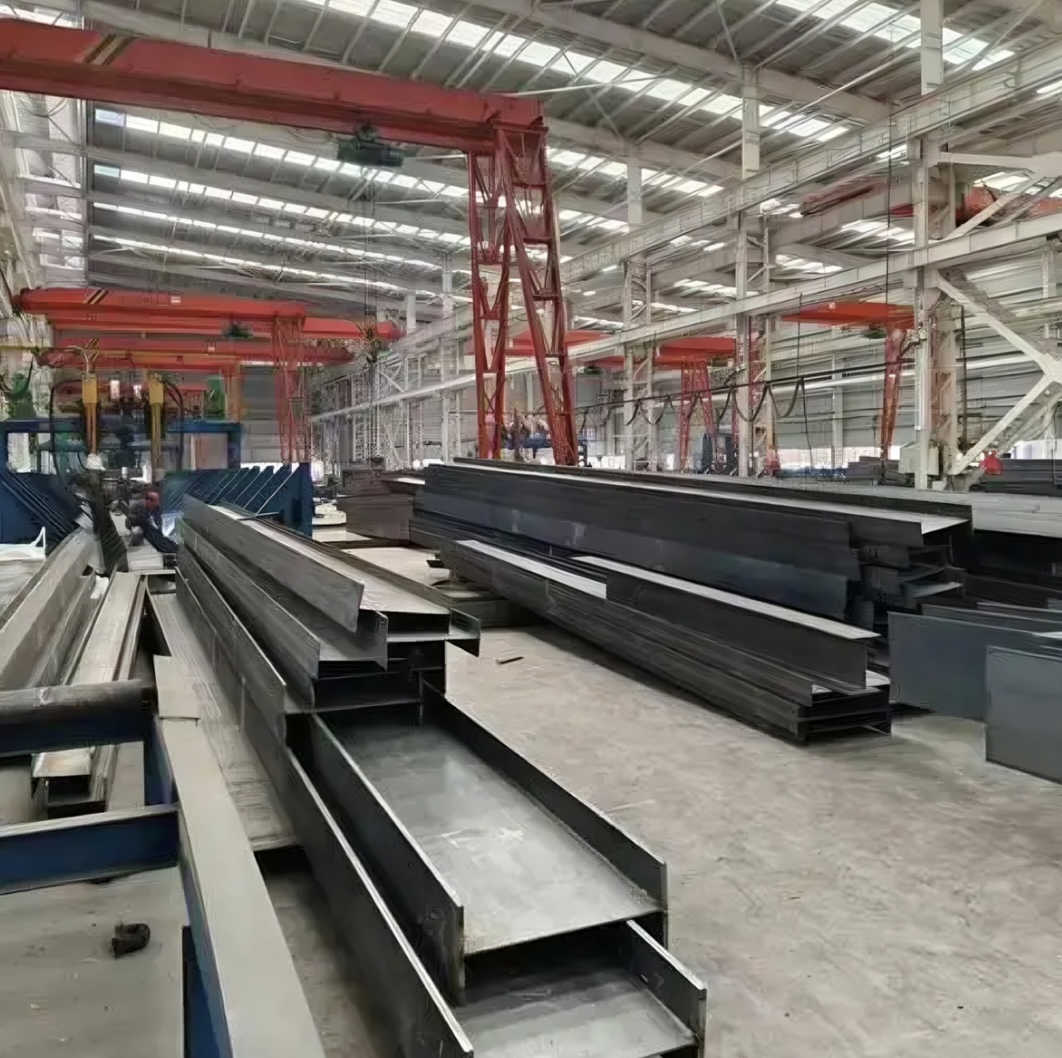
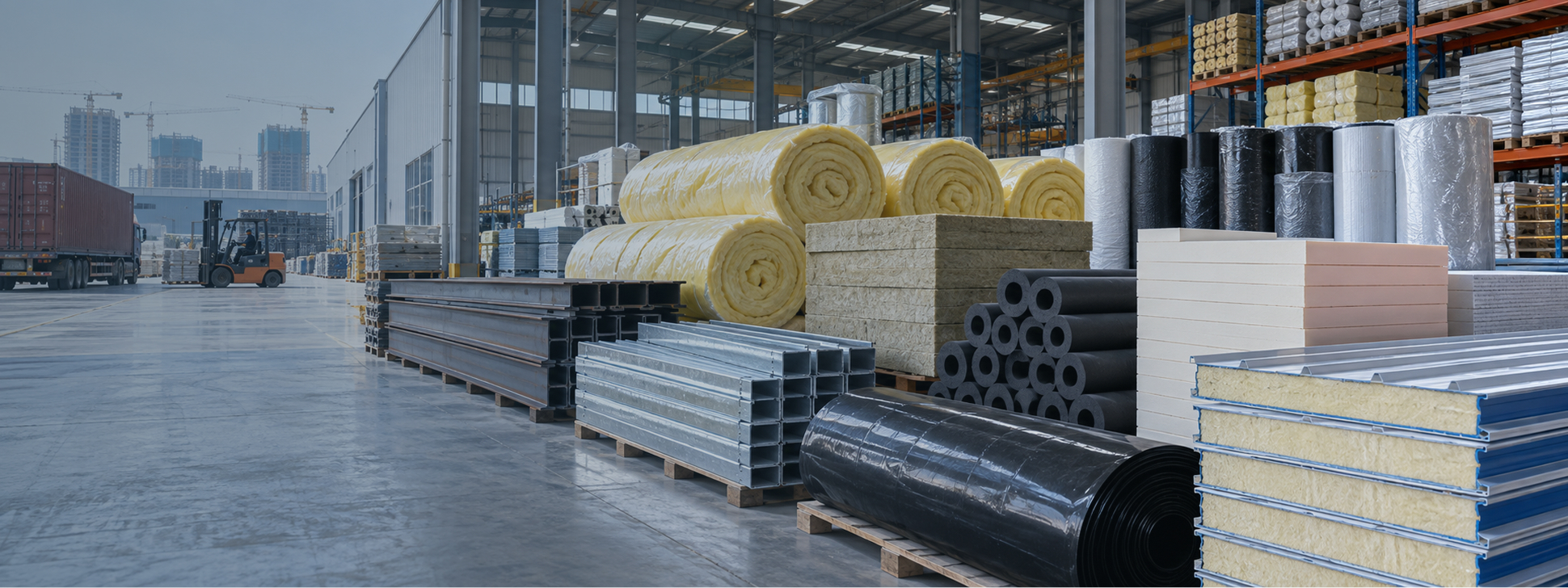
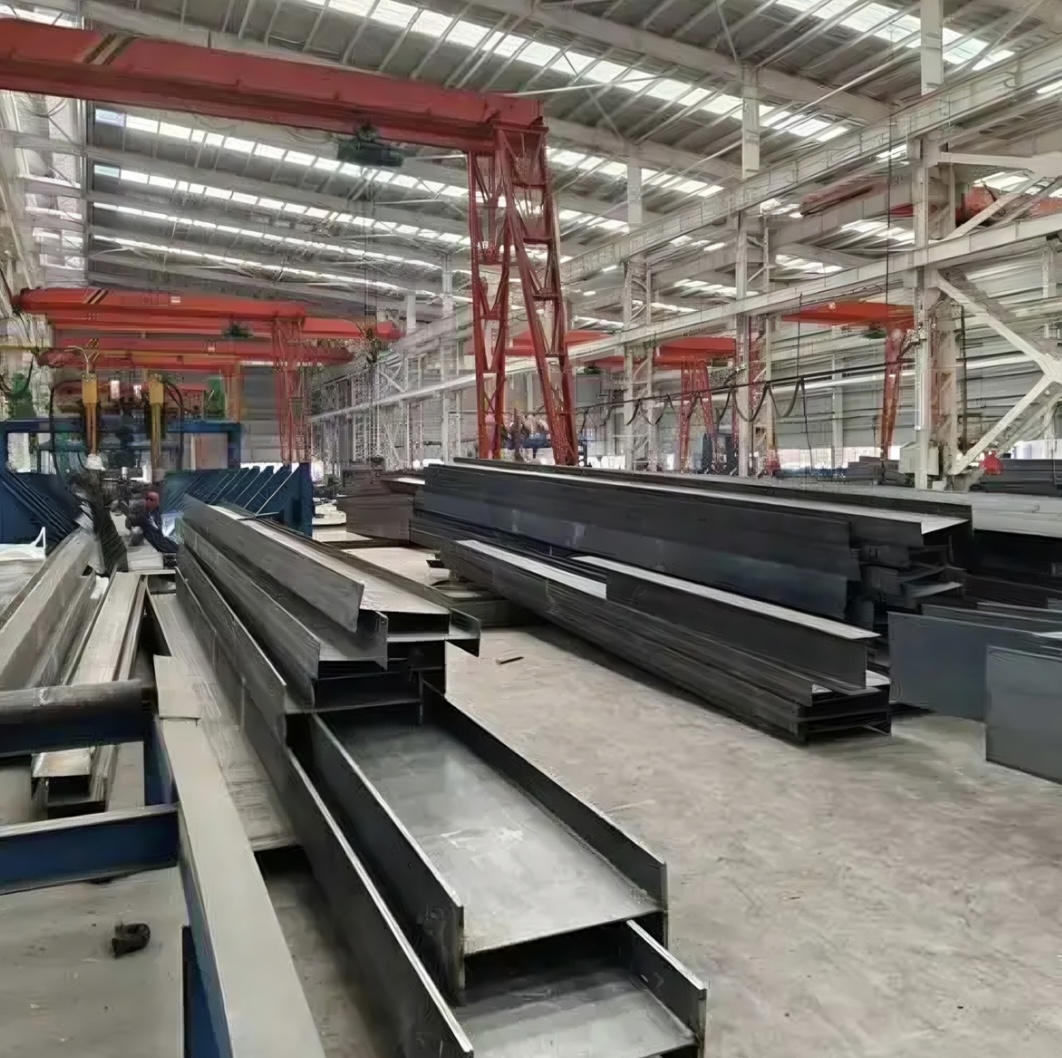
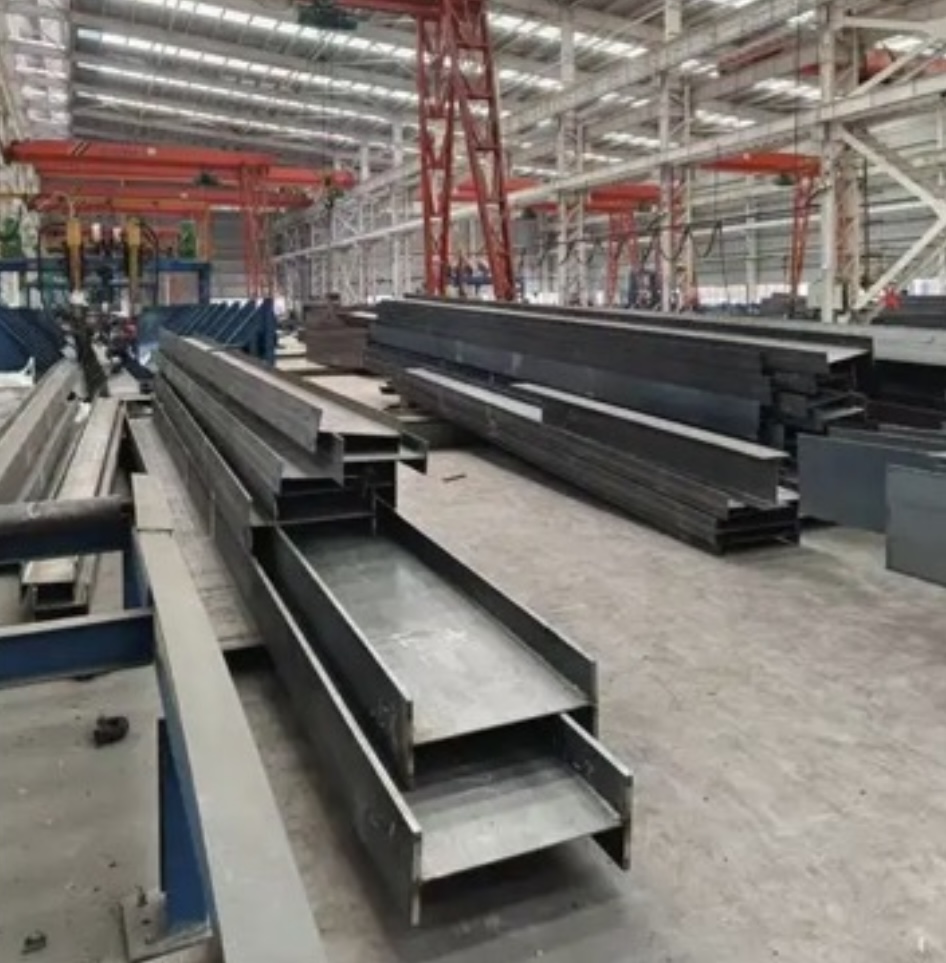
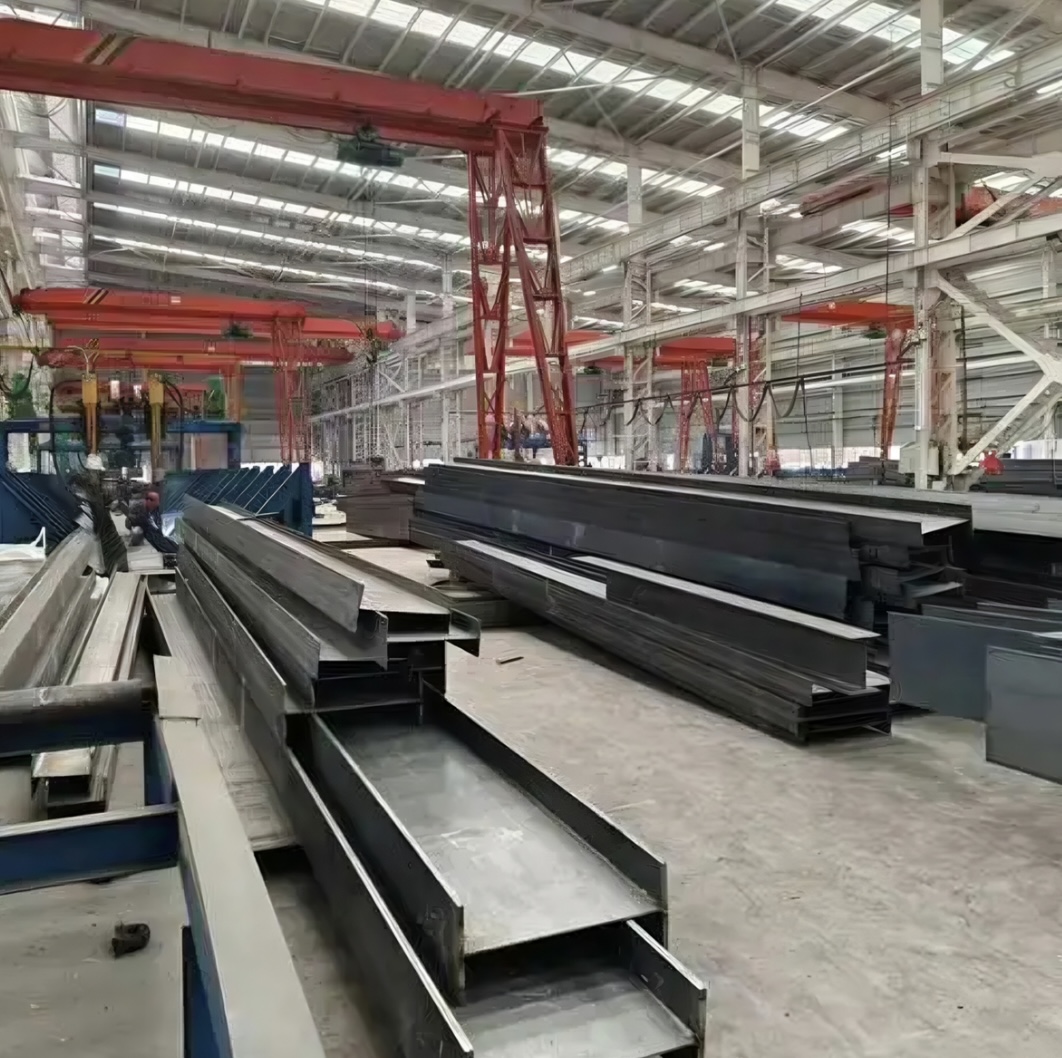
Carbon Steel C Channel for Equipment Frames, Warehouse Racks, Purlins and Vehicle Components
Versatile Framing Profiles from a Carbon Steel Channel Manufacturer
Fabricators need a section that bolts, welds and fits into tight frames without fuss. Xiaolong manufactures carbon steel C channel with a flat web and clean flanges, so plates, walls and other members sit flush against it. Each section is made for steady dimensions and dependable quality, which helps shops cut, drill and assemble with fewer corrections. Get in touch to explore suitable channel specifications.
Carbon Steel Channel Strength and Fabrication Versatility
Open C-Shaped Profile
The flat web back sits flush against plates, columns and walls, so brackets and connections need no packing.
The open side gives easy access for bolting and welding from one side of the frame.
Single-Sided Flange Geometry
Flanges stand on one side of the web only, so a lone channel can twist if the load does not act through the web.
Pair two channels back-to-back, or restrain the open side with bracing, to get the full capacity from the section.
Straightforward Joint Assembly
Bolt through the web where possible, and keep holes away from flange edges to avoid tear-out.
Weld with short, alternating runs on both sides to keep heat distortion low.
Orientation-Dependent Strength
A carbon steel C channel is strongest with the web vertical and the load applied across the flanges.
Laid on its side, the same section can lose much of its stiffness, so check orientation before fixing.
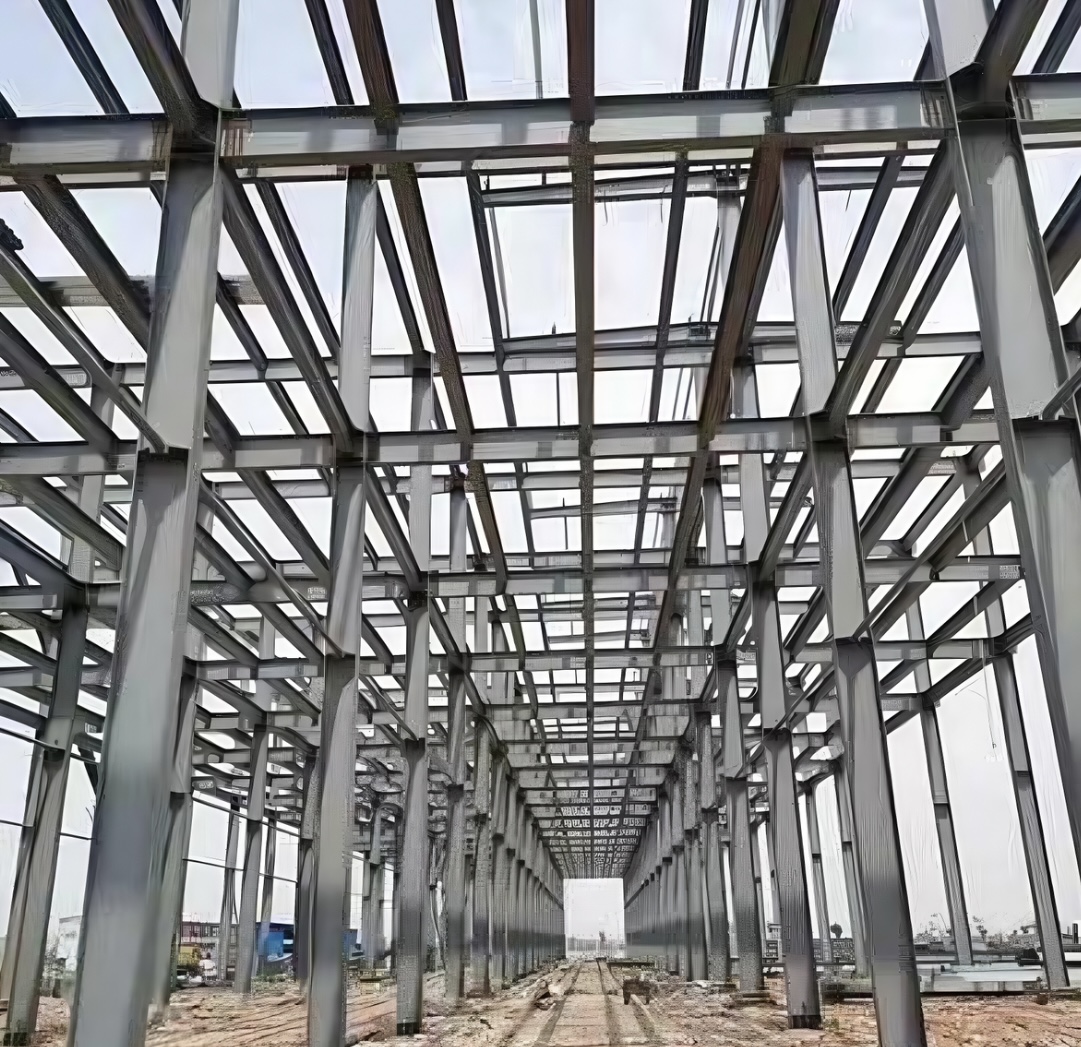
Carbon Steel C Channel Sizes and Technical Data
| Parameter | Specification |
|---|---|
| Cross-Section | C-Shaped Channel |
| Steel Grade | Available in Multiple Grades |
| Channel Height | Varies by Section Size |
| Flange Width | Depends on Channel Profile |
| Web Thickness | Varies by Specification |
| Flange Thickness | Depends on Manufacturing Process |
| Standard Length | Commonly 6 m or 12 m |
| Surface Condition | Mill Finish |
| Surface Treatment | Black Steel, Painted, or Galvanized |
Before ordering, confirm whether your design calls for a heavier hot-rolled channel or a thin-walled cold-formed C section. They share a shape but do different jobs: the first suits primary supports and machine bases, the second suits light purlins and girts. For help matching steel grade to load and span, read our guide to which material grade is used for C channels, and see the C-beam performance, types and selection guide for steel structures for a full look at section types.
Roofing Supports, Racking and Fabricated Frame Components
Equipment Mounting Frames
A carbon steel C channel forms skids, machine bases and support frames, with the flat web bolted straight to the floor plate or machine foot.
Add a stiffener plate where a heavy point load lands on the web, so the web does not crush.
Warehouse Rack Assemblies
Carbon steel C channel serves as rack uprights, cross members and shelf supports in storage and light industrial buildings.
Brace long runs at regular intervals so the open side cannot twist when shelves are loaded unevenly.
Building Purlin and Girt Systems
Carries roof sheeting as purlins and wall cladding as girts between main frames.Tie the purlins with sag rods or bracing, since single-sided flanges tend to roll over under roof loads.
For how these members work with main frames, see our comparison of H-beam vs C-channel steel for warehouse construction.
Vehicle Chassis and Trailer Components
Carbon steel C channel is used for trailer rails, cross bars and body sub-frames where weight and stiffness both count.
Weld cross members with staggered runs and avoid welding across the flange edge, which is a common start point for fatigue cracks.
Fabrication Processes and Structural Installation Guidance
1. How far apart should bolts be, and how close to the edge can holes go?
Your engineer's connection design sets the exact figures. As a general rule, space bolts about three bolt diameters apart and leave enough edge distance, usually at least one and a half diameters, so the steel cannot tear out. Keep holes out of the flange tips.
2. Can I use a carbon steel C channel for garage shelving, a workbench or a lean-to roof?
Yes, channels are popular for light home projects. Choose the section by span and load, keep the web vertical, and brace the open side. For anything that carries people or a roof, ask a qualified engineer to check the design and the fixings.
3. How can warping be limited when welding a carbon steel C channel?
Clamp the piece firmly, weld in short alternating runs on both sides of the web, and let the steel cool between passes. Grind off mill scale along the weld line first, so the weld is clean and sound.
4. How do I clean and repaint a channel that has started to rust?
Scrape off loose rust with a wire brush, wipe the surface clean and dry, then apply a rust-inhibiting primer and a topcoat. Pay extra attention to cut edges, drilled holes and the inside corners where water collects.
5. Can holes or notches be cut in the web for pipes and cables?
Small holes near the middle of the span, where shear is low, are often acceptable. Keep them away from supports and flanges, and never notch a flange. Have the engineer approve any opening, since a poorly placed hole can weaken the section sharply.
Match Channel Steel Profiles to Your Project Needs
Whether you are building one machine frame or supplying a whole storage facility, Xiaolong supports you with custom specifications, bulk wholesale supply, project tender support and factory test documents. Send us your drawings, spans and loads, and our team will suggest a carbon steel C channel that suits the job. Reach out now and work with a supplier that gives clear answers and keeps your project on track.