Improve Thermal Control Across Industrial Piping with Preformed Mineral Fiber Insulation
Industrial Pipework Protection from a Rock Wool Pipe Section Manufacturer
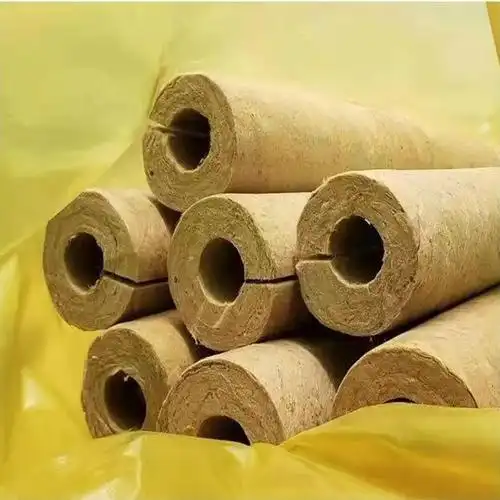
Heat loss, surface burns and dripping condensation all start at the pipe wall. Xiaolong manufactures mineral fiber pipe insulation as factory-cut cylindrical sections that close tightly around the pipe, hold their wall thickness and keep surface temperatures under control. Every order is sized from your actual line list. Send your pipe dimensions and service conditions to start mapping out your insulation requirements.
Built-in Details that Matter on Real Pipework
Good selection starts with operating conditions, not a single data point. Our rock wool pipe selection guide covers the full checklist. Here is what Xiaolong mineral fiber pipe insulation brings to the job.
Factory-Formed Cylindrical Sections
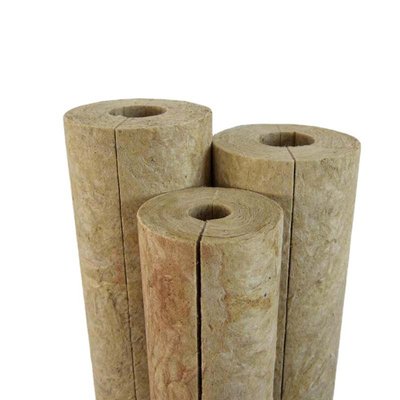
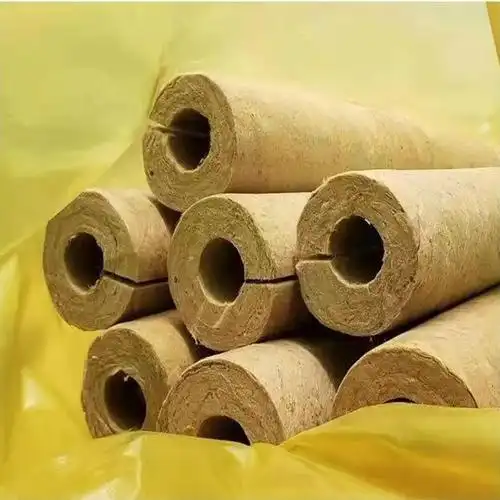
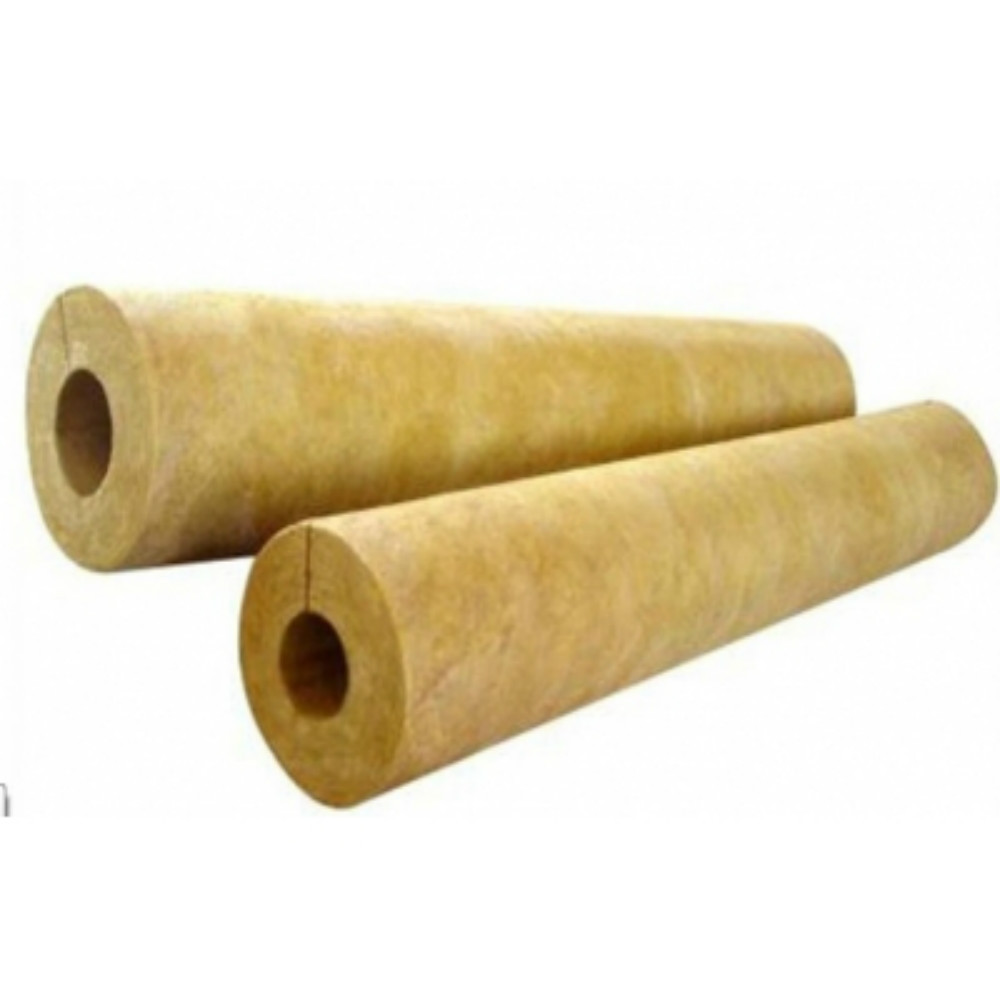
Sections are cut to match common pipe sizes, so the bore sits snug against the pipe with no air gap.
Butt joints close flat, which removes the straight heat-loss path that loose wrapping leaves at every seam.
Resin-Bonded Fiber that Holds Its Shape
The non-combustible fiber core keeps its thickness under bands, hangers and supports instead of crushing flat.
Sections stay put on vertical risers when secured with bands at regular spacing.
Facing Matched to the Environment
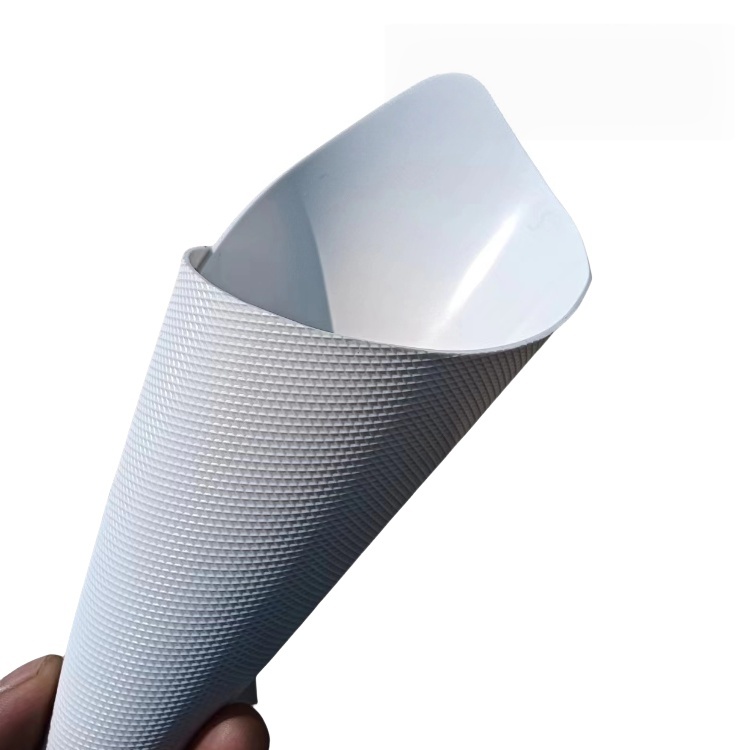
Leave sections unfaced on dry, hot indoor lines, or add foil-based facing or metal cladding where moisture or foot traffic is a risk.
Facing and seals decide how long the insulation stays dry, which matters as much as the fiber itself.
Layered Builds for High-Temperature Lines
Thick builds use two layers with staggered joints, so no seam runs straight through to the pipe.
Longitudinal joints are rotated between layers to leave room for pipe expansion.
Core Specifications
| Parameter | Specification |
|---|---|
| Core Material | Mineral Fiber / Rock Wool |
| Product Form | Preformed Cylindrical Pipe Sections |
| Joint Configuration | Butt Joint / Specified Joint |
| Outer Facing | Unfaced / Metal Cladding / Other Options |
| Installation Method | Sectional Fitting |
Wall thickness, thermal conductivity and temperature rating are matched to each project's line list.
Insulation for Steam and Boiler Distribution Lines
Steam and Condensate Distribution
Main steam headers and branch lines, where a safe surface temperature protects maintenance staff.
Condensate return lines, where bare runs throw away heat that could be recovered.
Long outdoor runs between buildings, finished with metal cladding.
Boiler Rooms and Hot Water Plants
Feed water lines, heating loops and manifolds around boilers and heat exchangers.
Tight mechanical rooms, where cooler pipe surfaces lower the room temperature and the cooling load.
Chilled Water and Mixed-Service HVAC
Chilled lines need a facing with a continuous vapor seal, because one open seam lets moisture in and the insulation stops working.
Dual-temperature lines that carry hot water in winter and chilled water in summer.
Process Lines in Petrochemical and Power Plants
Process pipes held at temperature, including steam-traced lines.
Outdoor pipe racks, where cladding takes the weather and the occasional boot.
Turbine and heat recovery pipework with high surface temperatures.
FAQ
1. How do I decide insulation thickness for a steam line versus a chilled water line?
Hot lines are sized by allowable heat loss and a safe surface temperature. Chilled lines are sized by the dew point of the surrounding air, because the outer surface must stay above it. A humid plant room can need more thickness than the pipe temperature alone suggests, so share the ambient temperature and humidity with us before we size the mineral fiber pipe insulation.
2. Can I use it on the heating pipes in my home boiler room or basement?
Yes, it suits hot water and steam heating pipes in boiler rooms and basements. Keep it dry and away from leaks. Wear gloves, long sleeves and a dust mask when cutting, because loose fibers can irritate skin.
3. What is the best way to insulate valves, flanges and elbows?
Cut and fit sections around elbows, and use removable covers on valves and flanges, so maintenance does not mean tearing out insulation. Fill small gaps with loose fiber and seal the jacket at every end.
4. Will there be a smell or smoke when a hot pipe heats up for the first time?
A light odor is normal on the first heat-up of hot lines, as the bonding resin burns off. It is usually short-lived and fades within hours, so ventilate the space during the first firing.
5. Is there any concern about using it on stainless steel pipe?
On austenitic stainless steel, water-soluble chlorides in wet insulation can contribute to stress corrosion cracking. Keep the system dry with sealed jacketing, and request chloride content data for your project specification.
Tell Us the Line List and We Will Handle the Sizing
A pipe system is only as efficient as its weakest seam, and we have spent years helping buyers close those gaps. Xiaolong supports mineral fiber pipe insulation projects with custom specifications, bulk wholesale supply, project tender submissions and factory test documents, so your engineers and purchasers get answers in one conversation. Read the engineering selection guide, then send us your drawings and we will recommend a build that fits your pipe, your temperature and your budget.