

Glass Wool Insulation Board for Walls, Ceilings, HVAC and Acoustic Projects
Product Overview
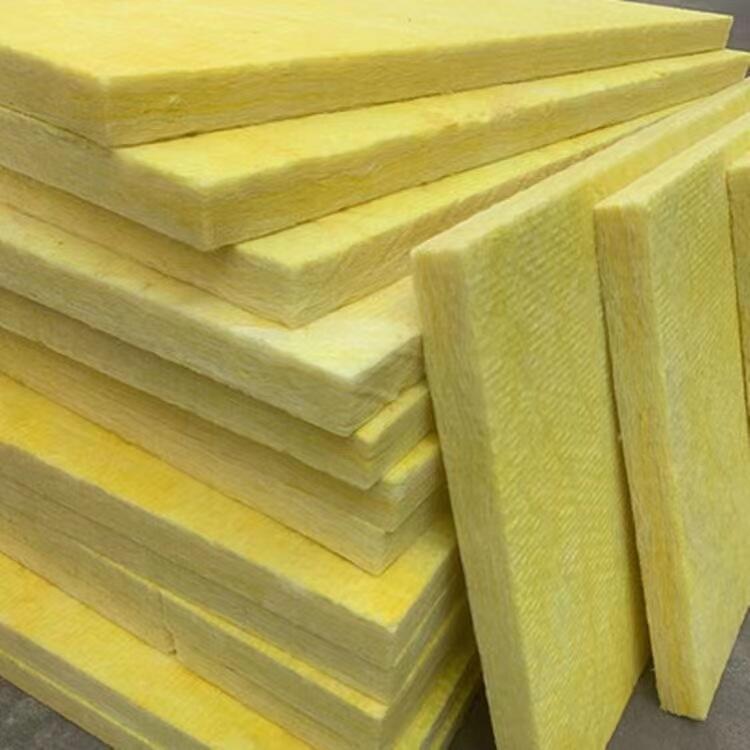
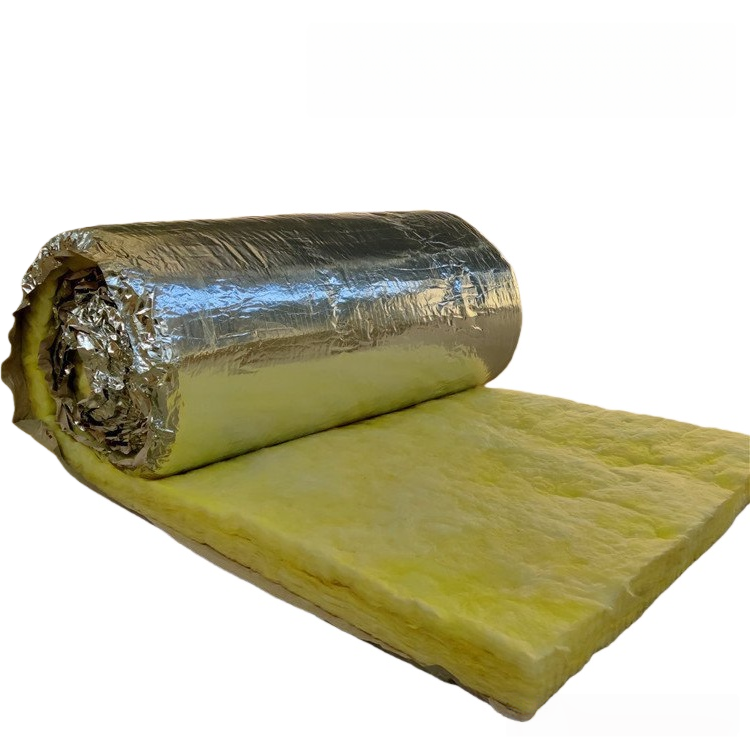
Jinsimai supplies glass wool insulation board for commercial, industrial, and building projects. The board is made from fine glass fibers bonded into a semi-rigid panel. It provides thermal insulation and sound absorption for walls, ceilings, metal buildings, HVAC equipment, and machine rooms. Density, thickness, size, and facing can be customized to match your project specification.
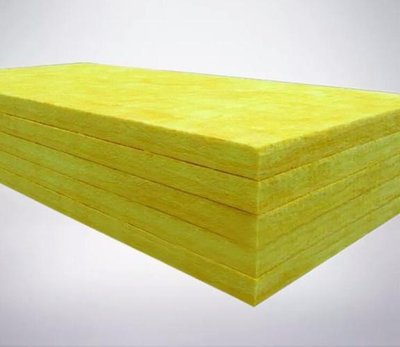
Key Features of Glass Wool Insulation Board
Semi-rigid and shape-stable
The semi-rigid structure keeps the board flat during handling and installation, which supports consistent coverage on walls, ceilings, and equipment surfaces.
Thermal insulation
The porous fiber structure reduces heat transfer. Actual performance depends on board density, thickness, installation method, and the complete building or equipment system.
Sound absorption
The fibrous structure absorbs part of the airborne sound energy and helps reduce reflected noise and reverberation. Overall acoustic performance depends on thickness, density, and the full wall or ceiling assembly.
Non-combustible inorganic material
Glass wool is an inorganic fiber product. Unfaced board is generally rated non-combustible (Euroclass A1). The fire rating of faced board depends on the facing material, so please state your fire-rating requirement when requesting a quotation.
Easy to cut and install
The board can be cut with a utility knife or saw and fitted between framing members when the board size matches the cavity. Additional support or mechanical fixing may be required depending on the installation system.
Glass Wool Insulation Board Specifications
| Parameter | Available Range |
|---|---|
| Density | 30–100 kg/m³ |
| Thickness | 20–100 mm |
| Width | 600–1200 mm |
| Length | 600–2400 mm |
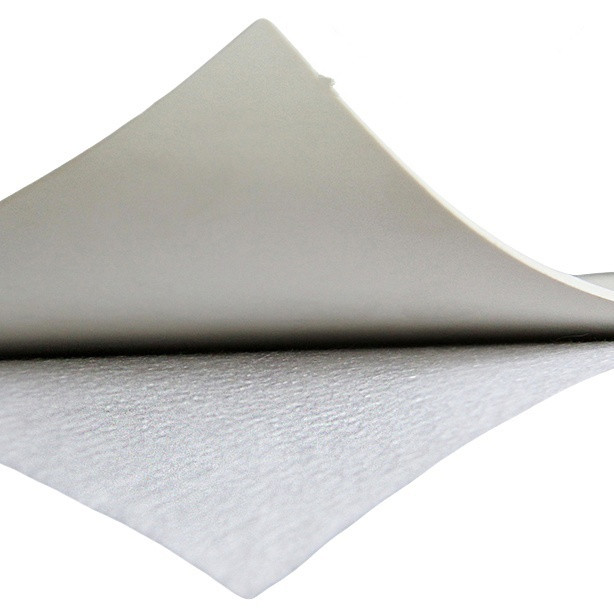
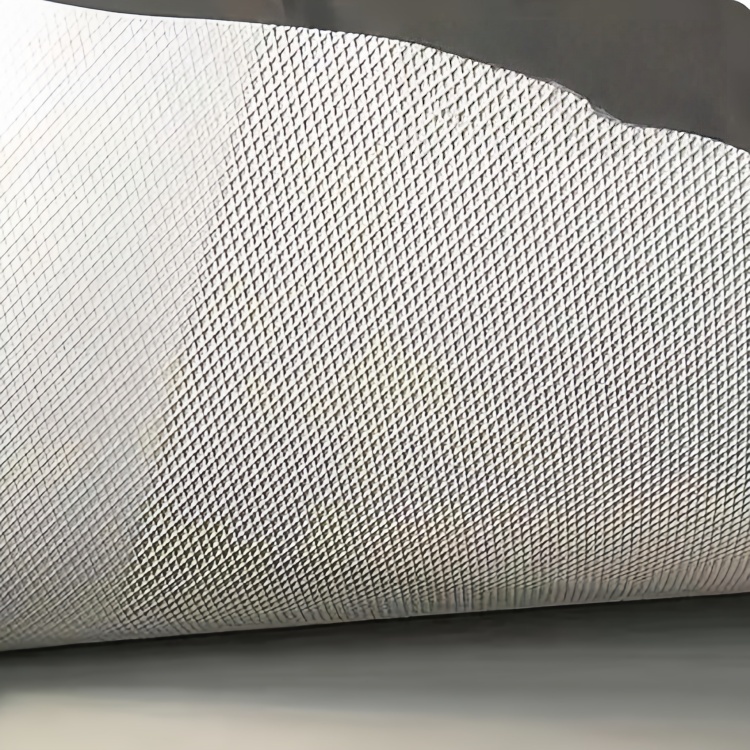
| Facing | Unfaced / Aluminum Foil / Non-woven Fabric / Fiberglass Cloth / Kraft Paper |
| Thermal conductivity (25°C) | Approx. 0.032–0.044 W/(m·K), depending on density |
| Fire reaction (unfaced) | Non-combustible, Euroclass A1 |
| Max. service temperature (unfaced) | Up to approx. 250°C; facing materials may lower this limit |
| Hydrophobic rate | ≥ 98% |
Applications
Glass wool insulation board is suitable for thermal and acoustic insulation in the following areas:
Building insulation
- Internal wall and partition wall insulation
- Ceiling insulation
- Metal building and steel structure insulation
HVAC applications
- Air handling equipment
- Duct insulation
- Mechanical room applications
Acoustic applications
- Sound-absorbing layers inside wall and ceiling assemblies
- Studios, theaters, meeting rooms, and equipment rooms
- Machinery and equipment enclosures
General industrial applications
Suitable for selected equipment surfaces and enclosures where semi-rigid insulation is required. Please confirm the operating temperature and installation conditions before ordering.
Glass Wool Board vs Rock Wool Board
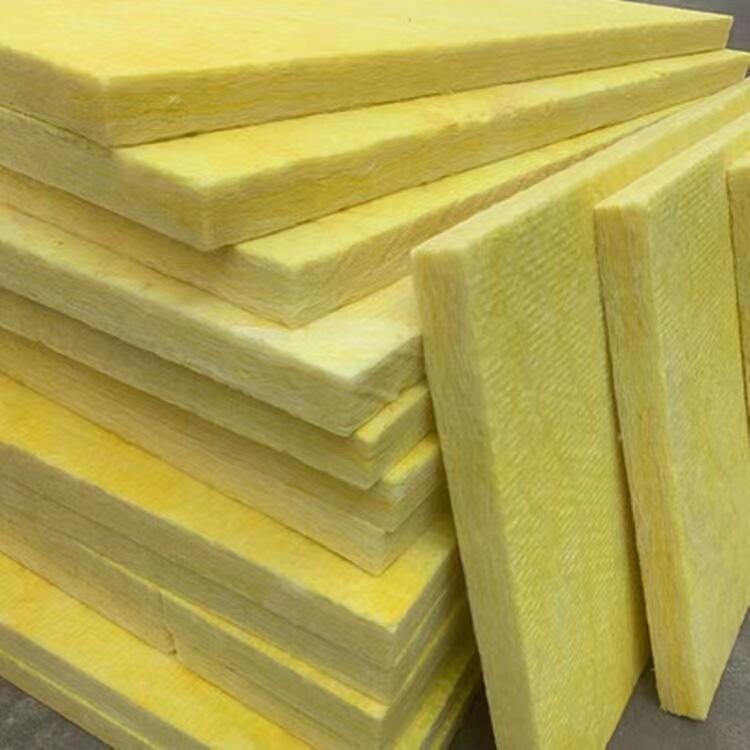
Both are inorganic mineral fiber insulation products, but they suit different conditions. Glass wool board is lighter and easier to cut and install, and it offers good sound absorption at a lower weight. Rock wool board is denser and is usually preferred where higher service temperatures or higher compressive strength are required. For a detailed comparison, check our glass wool board engineering selection guide, or see our rock wool board. You can also browse all thermal insulation materials.
FAQ
Q1. Can the density and thickness be customized?
Yes. Density, thickness, width, and length can be produced according to order requirements, subject to minimum order quantity and production feasibility.
Q2. What facing options are available?
The board can be supplied unfaced or laminated with aluminum foil, non-woven fabric, fiberglass cloth, or kraft paper. Please specify the facing when requesting a quotation.
Q3. What is the fire rating of glass wool insulation board?
Unfaced glass wool board is generally rated non-combustible (Euroclass A1). The rating of faced board depends on the facing material. Tell us the fire-rating requirement of your project and we will confirm the suitable option.
Q4. Can glass wool board be used for both thermal and acoustic insulation?
Yes. Its fibrous structure helps reduce heat transfer and absorb airborne sound. Overall performance depends on density, thickness, installation method, and the complete wall, ceiling, or HVAC construction.
Q5. What is the difference between glass wool board and glass wool blanket?
Glass wool board is semi-rigid and keeps a flat shape, so it suits walls, ceilings, and equipment surfaces. Glass wool blanket is flexible and supplied in rolls, which suits continuous coverage over large or irregular surfaces.
Request Glass Wool Insulation Board Specifications and Pricing
Jinsimai supplies glass wool insulation board for building, HVAC, and industrial projects. Send us your required thickness, density, facing, and quantity through the contact page to receive product details, a quotation, and supply information. Looking for flexible rolls instead? See our glass wool blanket or rubber and plastic board.