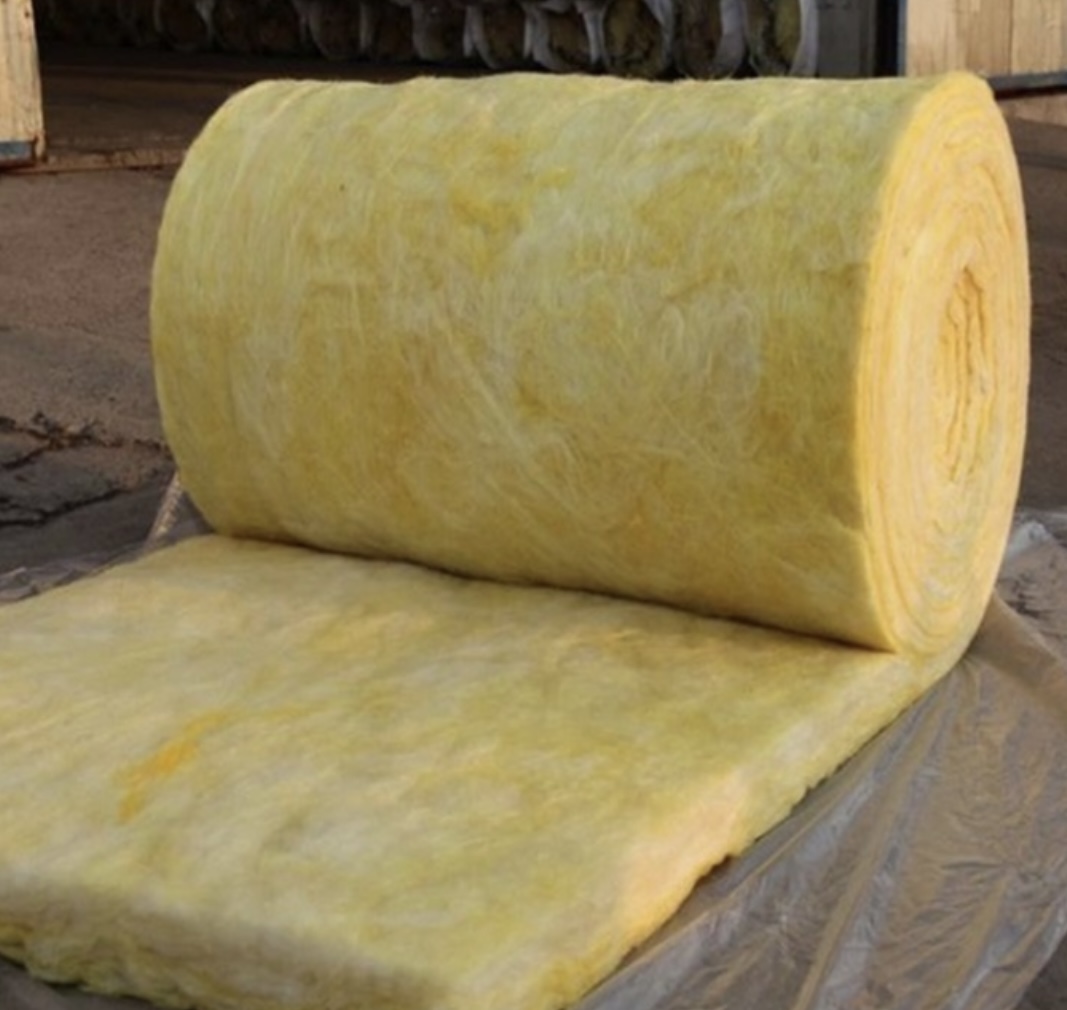

What is Phenolic Insulation Used For?
Wall space runs short on many projects. Thick insulation boards eat into that space fast. Phenolic insulation deals with this problem. It gives strong thermal performance in a thin board.
Phenolic insulation is used in walls, roofs, floors, and building-services pipework, mainly where thickness is limited. Its low thermal conductivity, often between 0.018 and 0.023 W/m·K, lets a thin board still deliver strong thermal resistance. This makes it a common choice in retrofit walls and slim roof builds.
Board makers publish these numbers under set test standards. Data on thermal resistance values shows a 50 mm board can reach roughly R 2.35 m²·K/W, which is high for such a slim profile. I have worked with insulation boards for fifteen years. Through that work, including projects where I compared boards from different factories such as Xiaolong, I have seen phenolic boards perform very well. I have also seen them cause problems on site. This material rewards careful use. It punishes careless use. Read on, and you will see why.
What are the Disadvantages of Phenolic Materials?
Phenolic foam reads well on a data sheet. But real projects expose its weak points fast. Skip these facts, and a job can run into trouble.
Phenolic insulation can be brittle and prone to crumbling, a trait known as friability. Older boards were also acidic, which sometimes led to corrosion where the foam touched metal decking. Moisture exposure and poor site handling can reduce long-term thermal performance too.
Why Friability and Corrosion Still Matter
Friability sounds technical. It just means the foam crumbles under stress. Low-density phenolic foam can lose material at cut edges and corners. Site workers then deal with dust and rough edges. This is not just a story from decades ago. Testing on phenolic insulation shows friability remains a property of the base chemistry today. Manufacturers manage it through facings, resin balance, and tight quality control at the factory. This is why I look closely at how a board is made, not just its published values.
Corrosion is a separate issue. Early phenolic foams used strong acid catalysts. Water reaching that acidic core could corrode nearby metal, especially steel roof decking. Research into bio-based phenolic foam aims for a higher pH and gentler chemistry to solve this. Even so, I still treat phenolic boards as moisture-sensitive. I keep them dry in storage, and I avoid direct, unprotected contact with bare metal wherever I can.
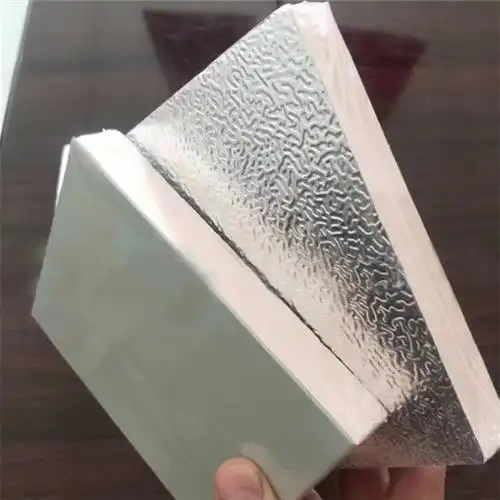
What is the Most Rodent-Proof Insulation?
Rodents chew through almost anything. Buyers often ask which insulation keeps mice and rats out for good.
No foam board, including phenolic insulation, is fully rodent-proof. Rodents can chew through phenolic, EPS, XPS, and spray foam alike. Dense, inorganic materials such as mineral wool or cellular glass resist gnawing far better than any plastic foam.
Comparing Insulation Materials for Pest Resistance
I get this question often. Buyers want one board that solves everything, including pests. That board does not exist yet. Phenolic foam is closed-cell and dense compared with fiberglass, so it offers little food value and less nesting comfort. Still, a determined rodent can gnaw through it, just like it can gnaw through EPS or XPS. Inorganic materials behave differently. Field data on vermin resistance shows cellular glass holds up far better, because rodents cannot easily bite through a glass-based structure. Mineral wool sits in between. It resists fire well but stays soft enough for pests to tunnel through it.
| Material | Rodent Resistance | Common Use |
|---|---|---|
| Phenolic Foam | Low to Moderate | Walls, roofs, pipework |
| EPS / XPS | Low | Walls, foundations |
| Mineral Wool | Moderate | Cavity walls, acoustic control |
| Cellular Glass | High | Underground, industrial pipework |
So the real answer is not one perfect board. It is proper sealing, mesh barriers at entry points, and regular inspection. I always pair any foam board with a physical rodent barrier at wall and roof penetrations.
Do You Need an Air Gap With Foam Board Insulation?
Air gaps confuse many buyers. Some wall assemblies need one. Some do not.
An air gap, often called a rainscreen gap, usually sits between the exterior cladding and the foam board, not between the foam and the wall sheathing. This gap lets moisture drain and dry, protecting both the wall assembly and the cladding finish.
When an Air Gap Is Required
This question comes up on almost every retrofit I review. The short answer depends on the assembly, not on the insulation alone. If phenolic board sits directly against sheathing, with a water-resistive barrier already in place, you likely still want a gap behind the cladding itself. That gap lets bulk water drain down and lets trapped moisture dry outward. Skipping it can trap water against the sheathing and the back of the siding. Guidance on furring strips over rigid foam shows that some claddings can sit close to thin foam without them, based on manufacturer rules. Even so, I prefer a small ventilated gap wherever budget allows. It protects paint finishes and extends the service life of both the cladding and the insulation. I treat this decision case by case. Climate, cladding type, and wall orientation all shape whether the extra gap earns its cost.
Conclusion
Phenolic insulation gives strong thermal performance in a thin board. But friability, corrosion history, rodent exposure, and air gap detailing all decide whether it truly fits your project.
References
- Designing Buildings Wiki — Phenolic Foam Insulation
- InspectApedia — Phenolic Insulation
- U.S. Department of Energy — Development of a Bio-Based, Noncorrosive Phenolic Foam for Building Insulation
- FOAMGLAS — The Vermin Resistance of Insulation Materials
- GreenBuildingAdvisor — Furring Strips Required Over 1″ Rigid Foam Insulation?
- WBS Ltd — Phenolic Insulation – Thermal Performance