What is Fiberglass Thermal Insulation and Why is It Used in Building and Pipe Systems?
Heat escapes through walls and pipes every day, and most buildings never notice. That silent loss drives energy bills up year after year.
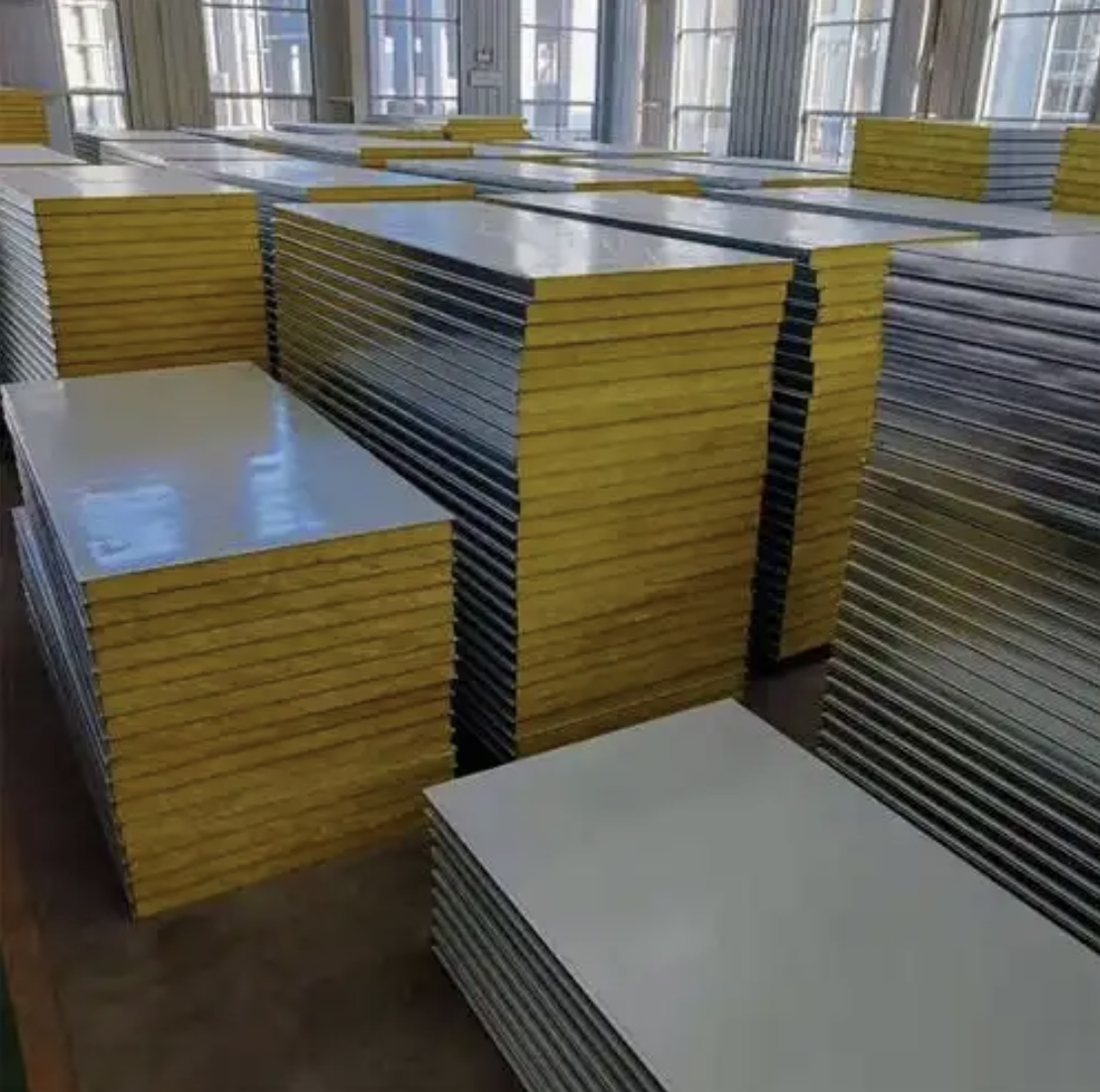
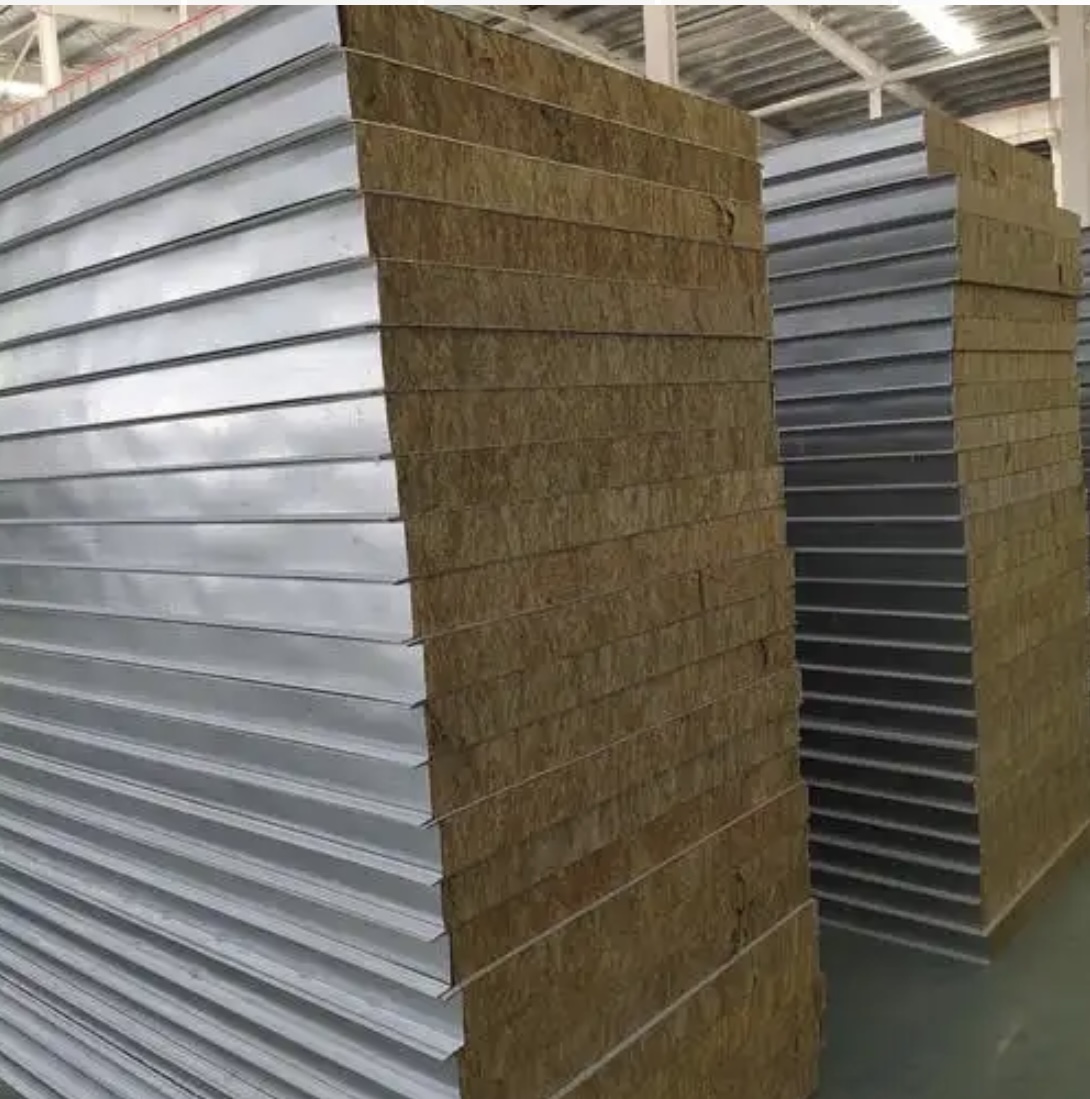
Fiberglass thermal insulation is made from fine spun glass fibers that trap air and slow heat transfer. Builders use it in walls, ceilings, and pipe systems because it controls temperature, resists fire, and stays stable across a wide range of operating conditions.
I have worked around insulation materials long enough to know one thing. Fiberglass earns its place in the market for real reasons, not just habit. Keep reading, because the next sections explain exactly how it improves efficiency, where it helps HVAC systems most, and how to pick the right type for your project.
How does Fiberglass Thermal Insulation Improve Energy Efficiency?
Every degree lost through an uninsulated surface costs money. Fiberglass exists to stop that loss before it starts.
Fiberglass thermal insulation improves energy efficiency by trapping air pockets between fine glass fibers, which slows conductive heat flow. Higher density and greater thickness raise the R-value, giving the material stronger resistance to heat transfer.
Why R-Value Drives the Result
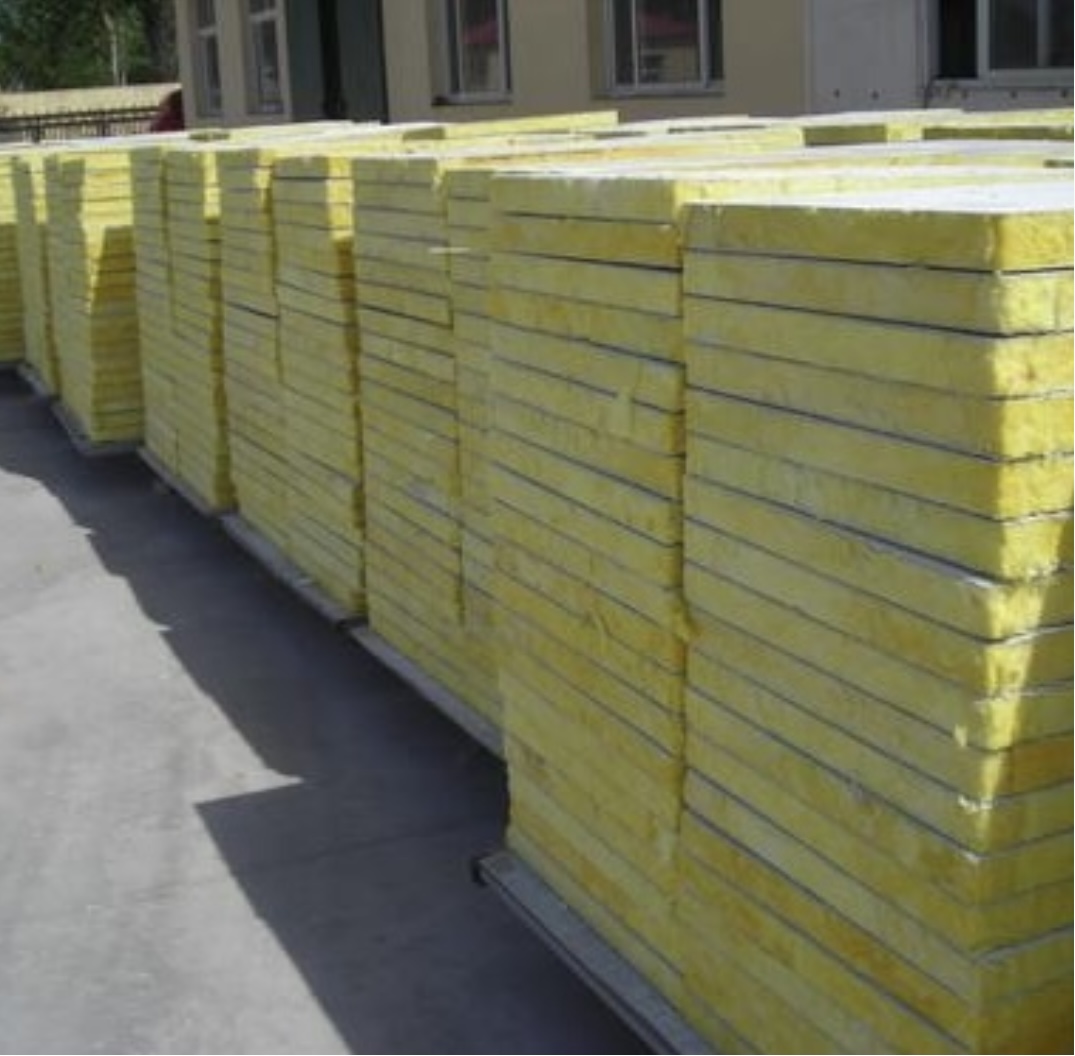
R-value measures how well a material resists heat flow. The number matters more than the material name. Government energy guidance explains that fiberglass insulation forms extremely fine glass fibers, available as batts, rolls, loose-fill, and rigid board, and denser products raise the R-value for the same thickness. I always check density before thickness, since two boards with the same size can still perform very differently. Climate zone also sets the target. Recommended insulation levels vary by climate zone and building area, so a wall or attic in a cold region needs a higher R-value than the same space in a mild one. I treat this as the starting point for every specification, not an afterthought.
| Application | Typical Form | Main Benefit |
|---|---|---|
| Wall cavities | Batts and rolls | Steady thermal resistance |
| Attics and ceilings | Loose-fill or batts | Reduces heat rise and loss |
| Ductwork | Rigid board or wrap | Controls condensation and airflow loss |
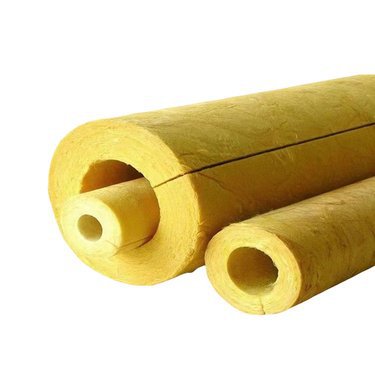
| Pipe systems | Molded pipe sections | Stable temperature, fire resistance |
What are the Benefits of Fiberglass Pipe Insulation for HVAC Systems?
Pipes move heat just as fast as walls do. A poorly insulated line wastes energy every hour the system runs.
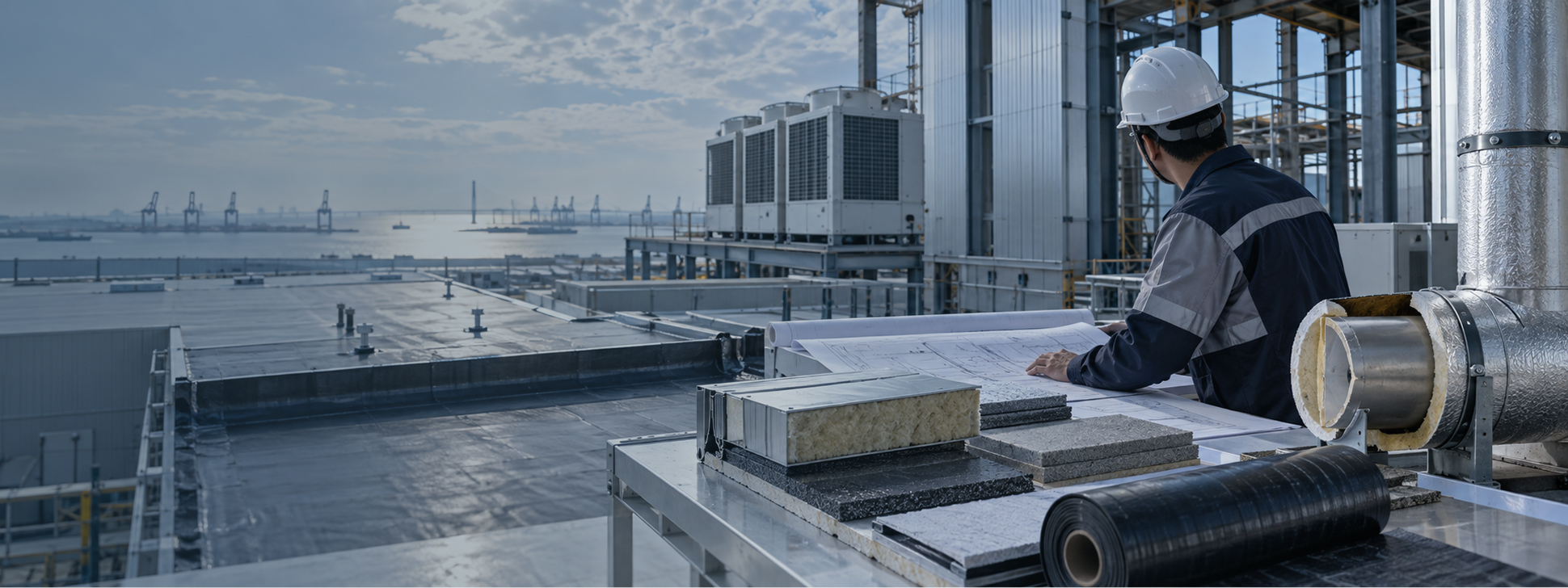
Fiberglass pipe insulation benefits HVAC systems through stable thermal performance, strong fire resistance, and sound dampening. It performs reliably across the mixed hot and chilled water lines common in commercial mechanical rooms.
Built for Mixed-Temperature Systems
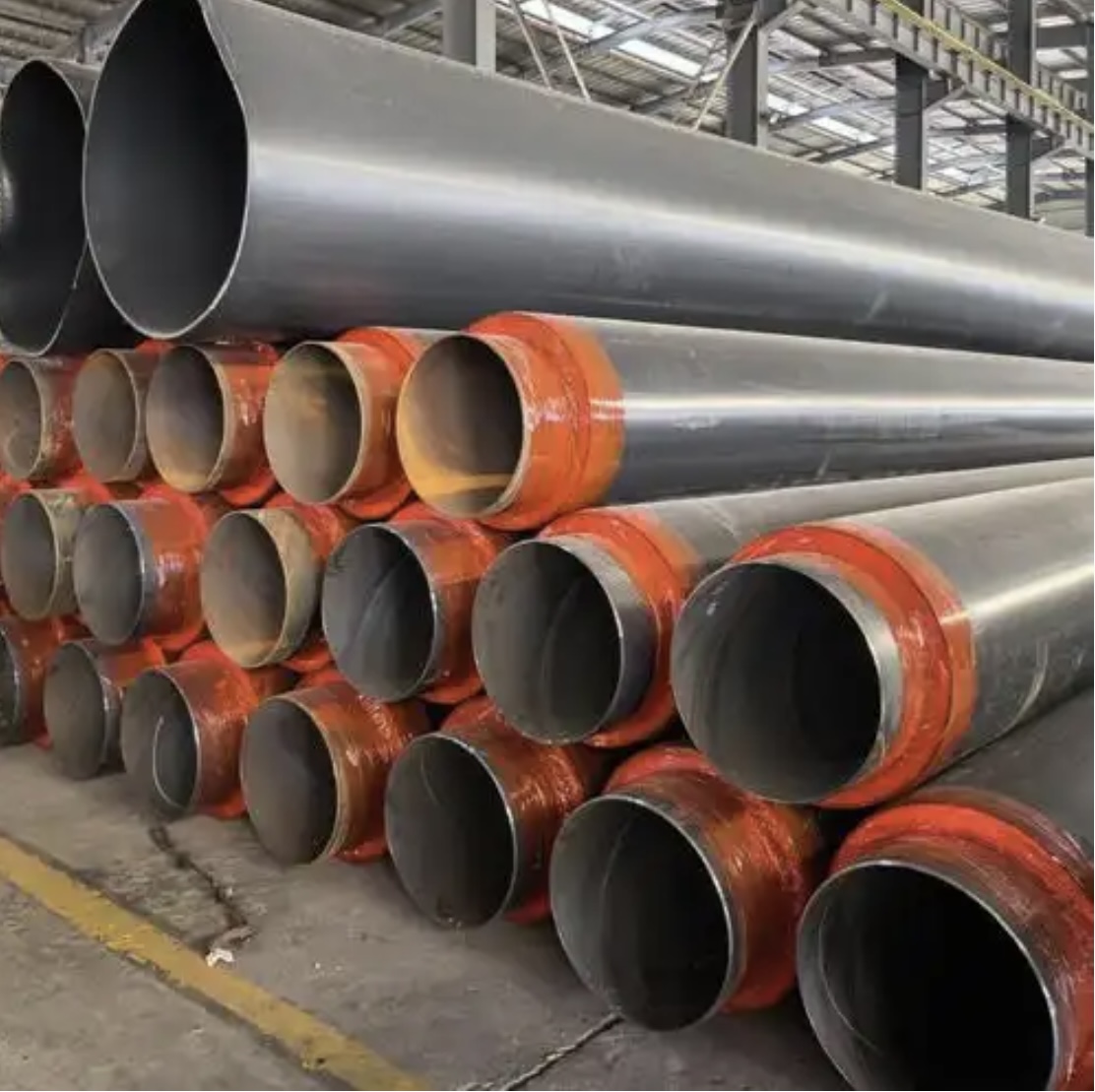
Commercial HVAC systems often run hot water and chilled water lines through the same space. Fiberglass pipe insulation handles both without losing shape or performance. Its rigid, molded form fits standard pipe sizes, and its fiber structure adds acoustic damping that softer materials cannot match. Product specifications for this use are well defined. Mineral fiber pipe insulation is manufactured into molded or precision v-grooved cylinders rated for a wide range of pipe temperatures, and for wall or duct applications, mineral fiber blanket insulation is classified into several types based on maximum use temperature and thermal conductivity. I use these classifications to match the right product type to the right system, instead of guessing from a general product name.
How to Choose the Right Fiberglass Thermal Insulation for Your Project?
A spec sheet full of numbers means little without knowing which numbers actually apply to your project.
Choosing the right fiberglass thermal insulation requires matching operating temperature, required R-value, fire performance rating, and moisture exposure to your specific project conditions. Supplier consistency matters as much as the material specification itself.
Fire Performance and Supplier Reliability
Fire safety is not optional in occupied buildings. Surface burning characteristics, including flame spread and smoke development, are measured using a standardized test method, and I ask every supplier for this data before approving a product. I have also learned that two products with identical spec numbers can still perform differently once installed, and the difference almost always traces back to manufacturing consistency. This is where I pay close attention to suppliers like Xiaolong, whose factory-level quality control and documented batch testing give buyers confidence that lab numbers will hold up on the actual jobsite. A supplier who shares real test data and answers technical questions directly reduces project risk far more than a lower price ever will.
Conclusion
Match fiberglass insulation to your temperature, R-value, and fire needs first. Then choose a supplier who proves consistent, tested performance.
References
1. U.S. Department of Energy. Fiberglass Insulation Material. https://www.energy.gov/energysaver/weatherize/insulation/insulation-materials
2. ENERGY STAR. Recommended Home Insulation R-Values. https://www.energystar.gov/node/6646
3. ASTM International. ASTM C547-25, Standard Specification for Mineral Fiber Pipe Insulation. https://store.astm.org/c0547-25.html
4. ASTM International. ASTM C553-24, Standard Specification for Mineral Fiber Blanket Thermal Insulation for Commercial and Industrial Applications. https://store.astm.org/c0553-24.html
5. ASTM International. ASTM E84-24, Standard Test Method for Surface Burning Characteristics of Building Materials. https://store.astm.org/e0084-24.html