Glass Wool vs Rock Wool: Which Thermal Insulation Material Is Better For Steel Workshop Roof
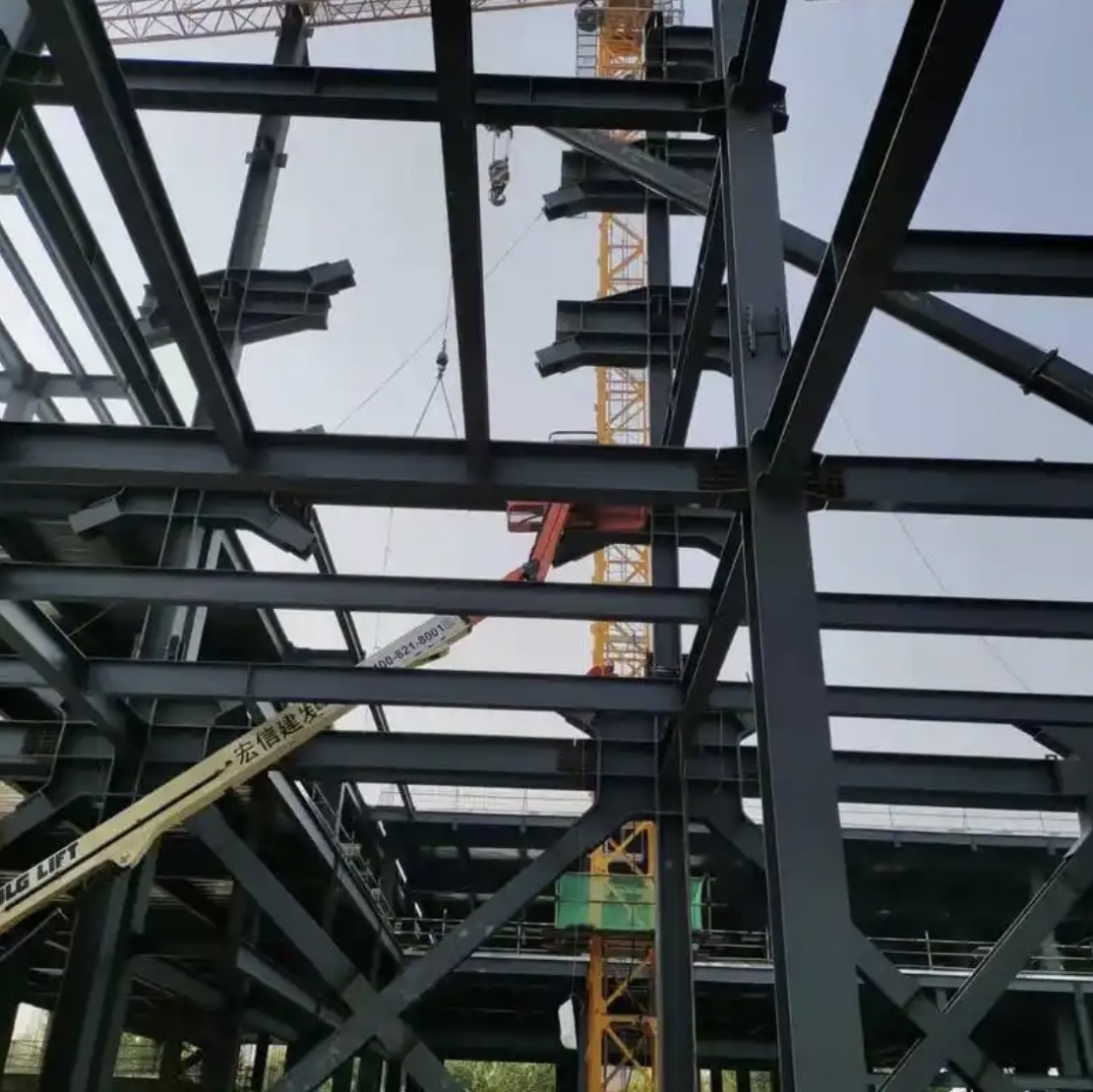
In modern industrial construction, thermal insulation for steel workshop roofs is critical for energy conservation, temperature stability and fire safety. Steel roofs feature large spans and fast heat transfer, making high-performance insulation a necessity. rock wool insulation and glass wool insulation are the two dominant mineral wool solutions for steel building projects. Many architects and contractors struggle to choose between rock wool sound insulation and glass wool for standard steel roof applications. This article provides a professional, neutral comparison of their performance to guide engineering material selection.
1. What Is Glass Wool Insulation?
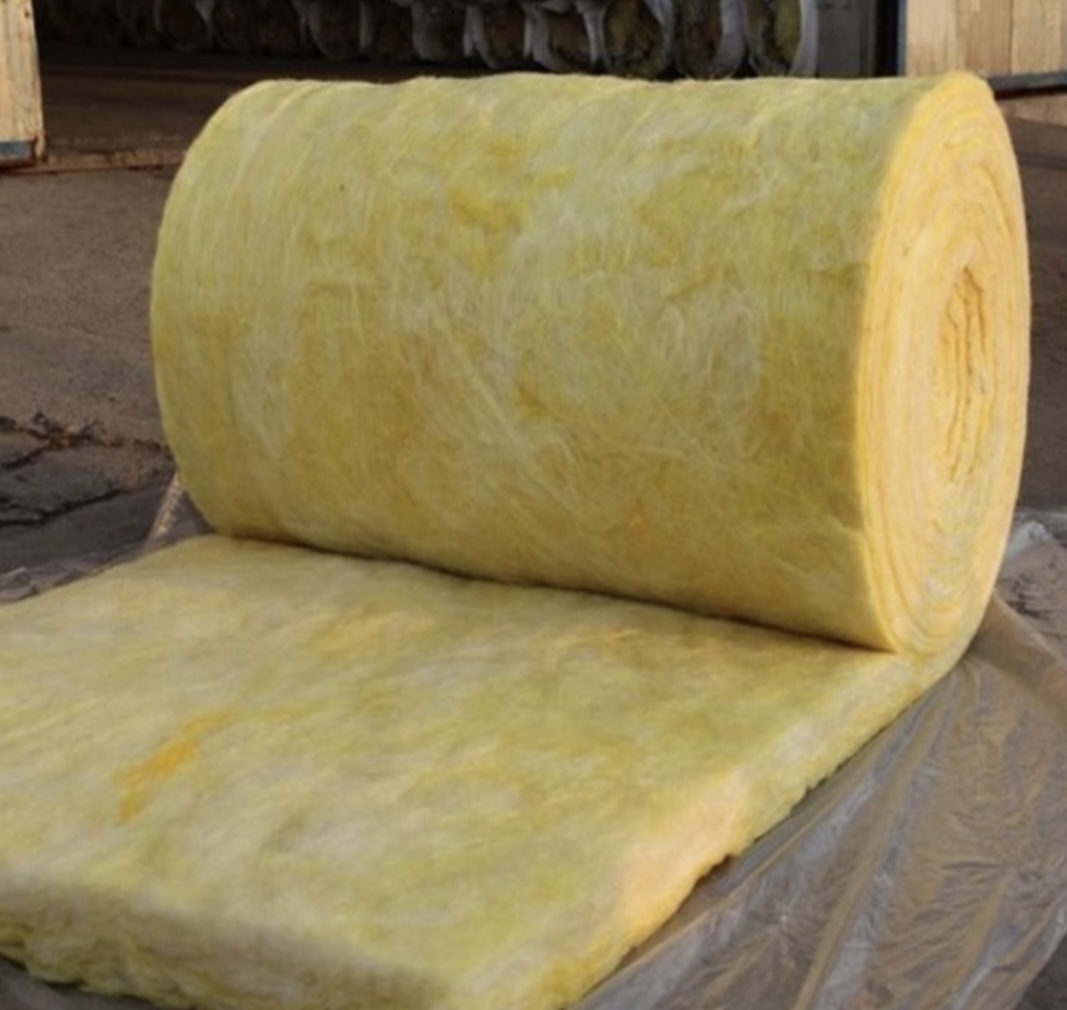
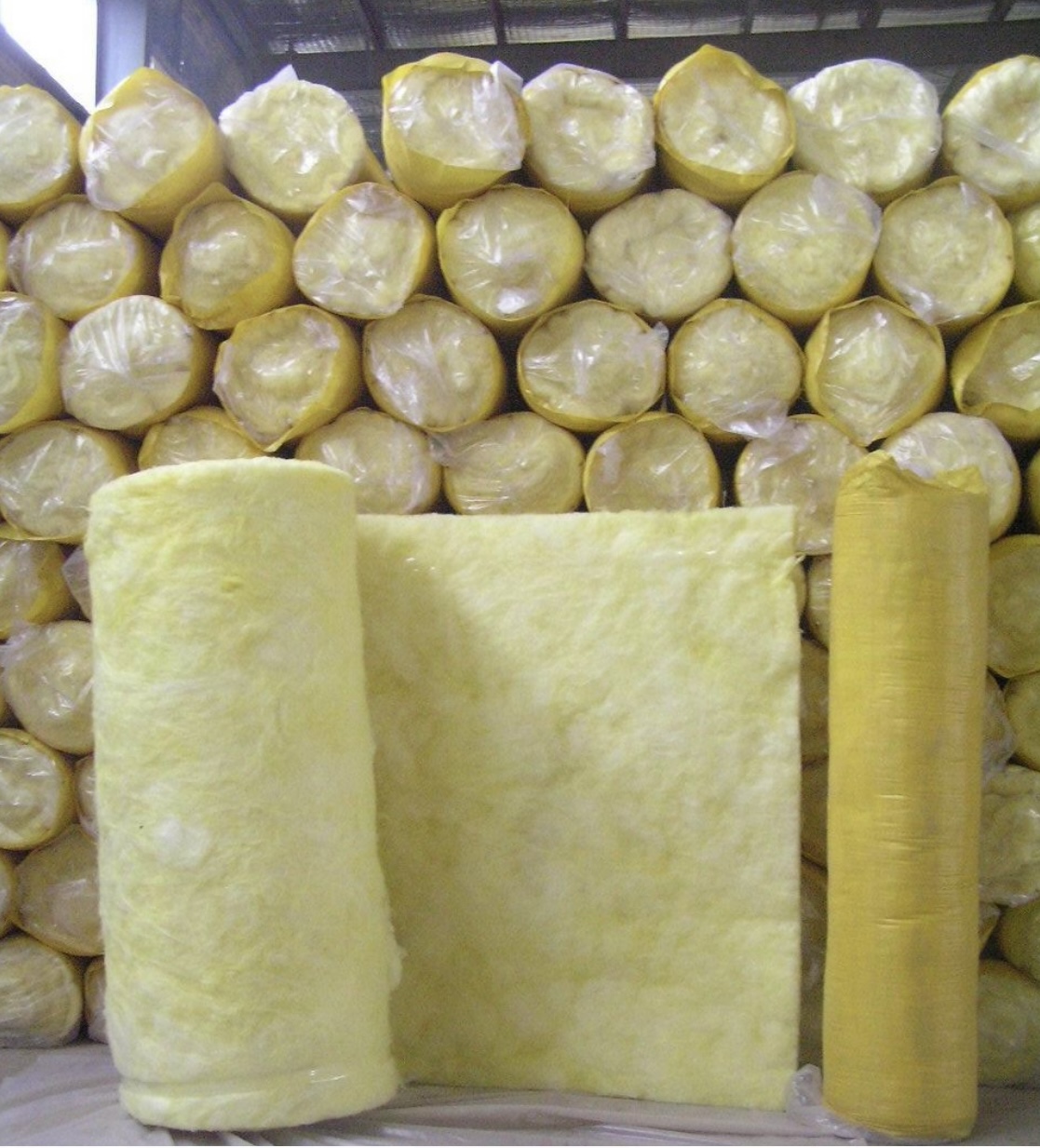
Glass wool insulation is a lightweight inorganic thermal insulation material spun from molten glass fiber. With low density and flexible structure, it is widely used for low-load roof insulation, ventilation systems and general building envelopes. Common specifications include glass wool blanket, glass wool board and pipeline wool, with mainstream options like 50mm glass wool insulation for conventional projects. It adapts to working temperatures up to 230-260°C, covering most ordinary industrial and civil building scenarios.
As a cost-efficient roof insulation wool material, glass wool delivers low thermal conductivity and easy on-site cutting and installation. It satisfies basic heat preservation and noise reduction needs for ordinary warehouses and light steel buildings. Overall, glass wool insulation provides a highly cost-effective solution for large-scale conventional construction. However, it has obvious limitations in harsh industrial environments, with poor stability under persistent high temperature and high humidity, making it unsuitable for high-standard fireproof exterior insulation systems.
2. What Is Rock Wool Insulation?
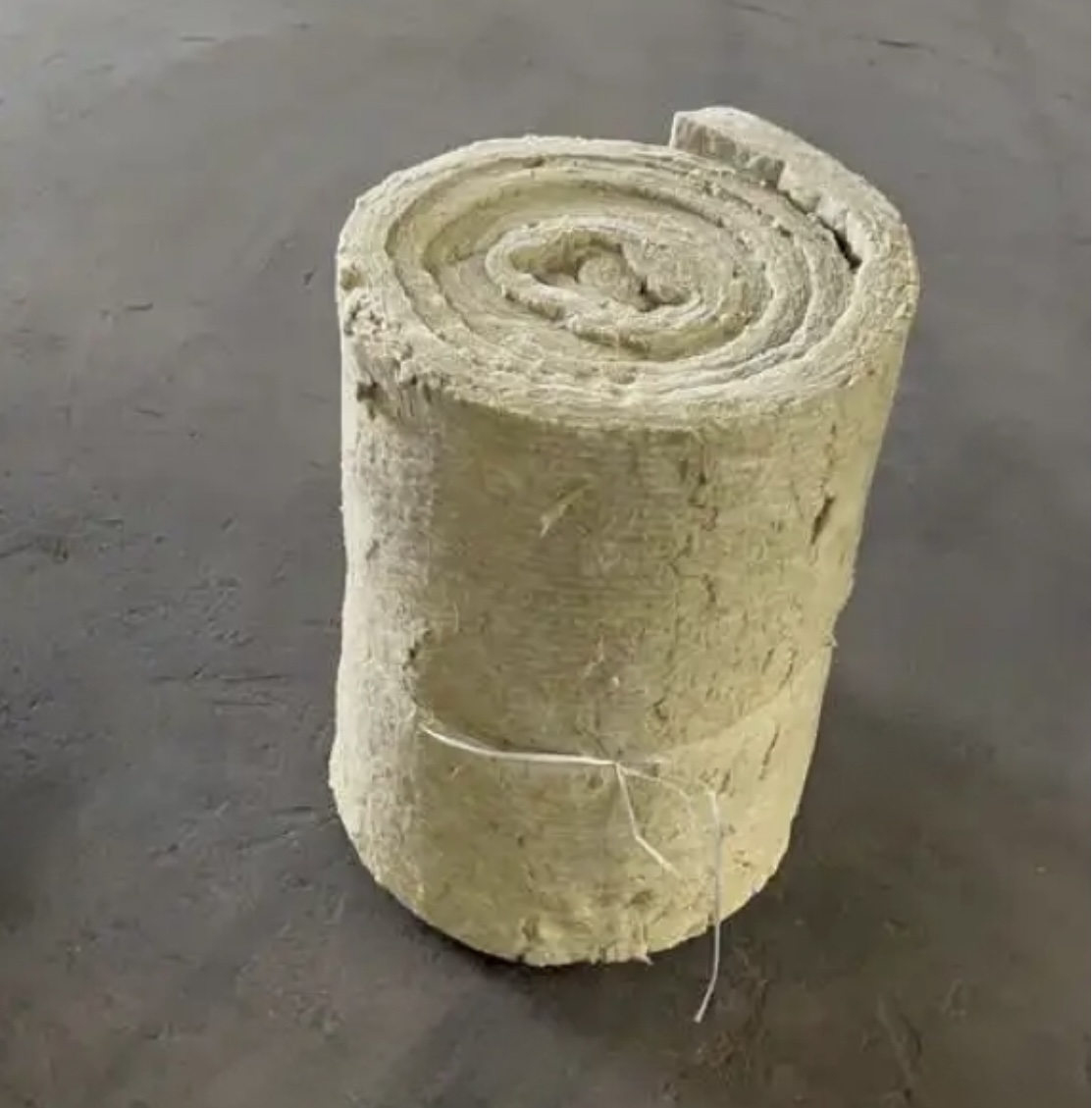
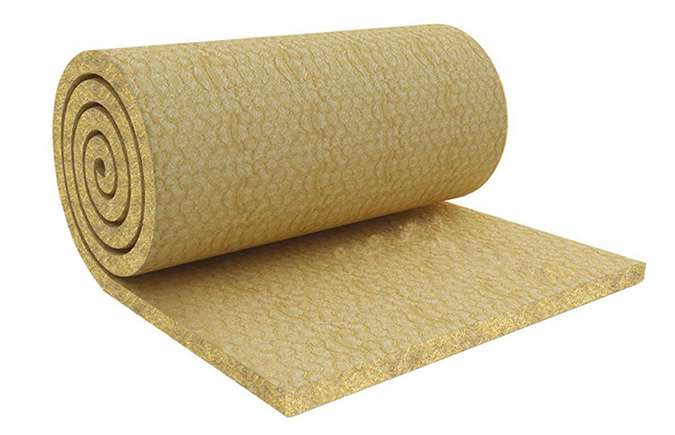
Rock wool insulation is a high-grade A1 non-combustible inorganic insulation material made from basalt and natural ores. It features outstanding high-temperature resistance and structural stability, serving as the preferred insulation material for high-risk industrial building envelopes. Rock wool withstands continuous working temperatures up to 700°C, with a melting point exceeding 1000°C, fully meeting strict fire protection standards for factories and chemical plants.
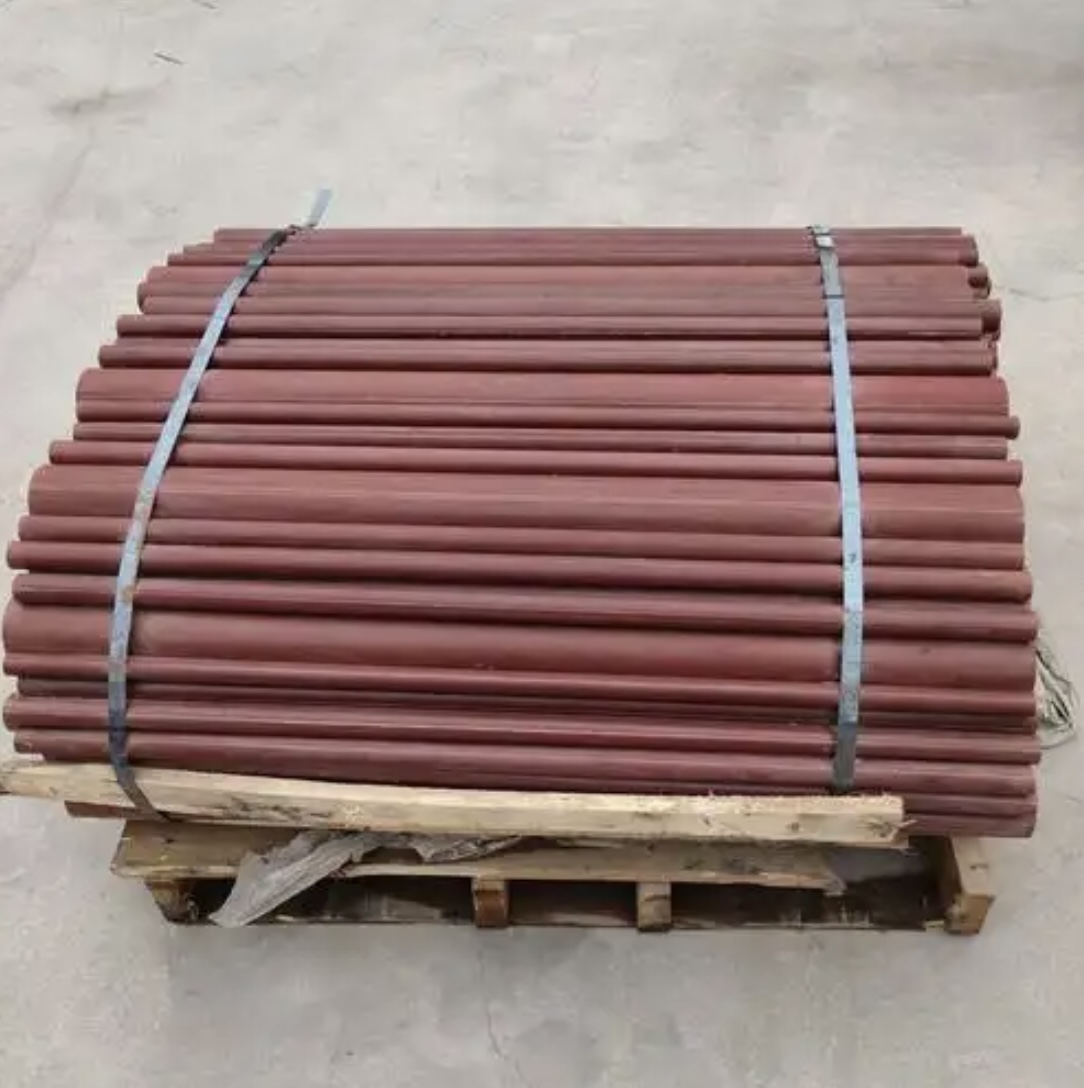
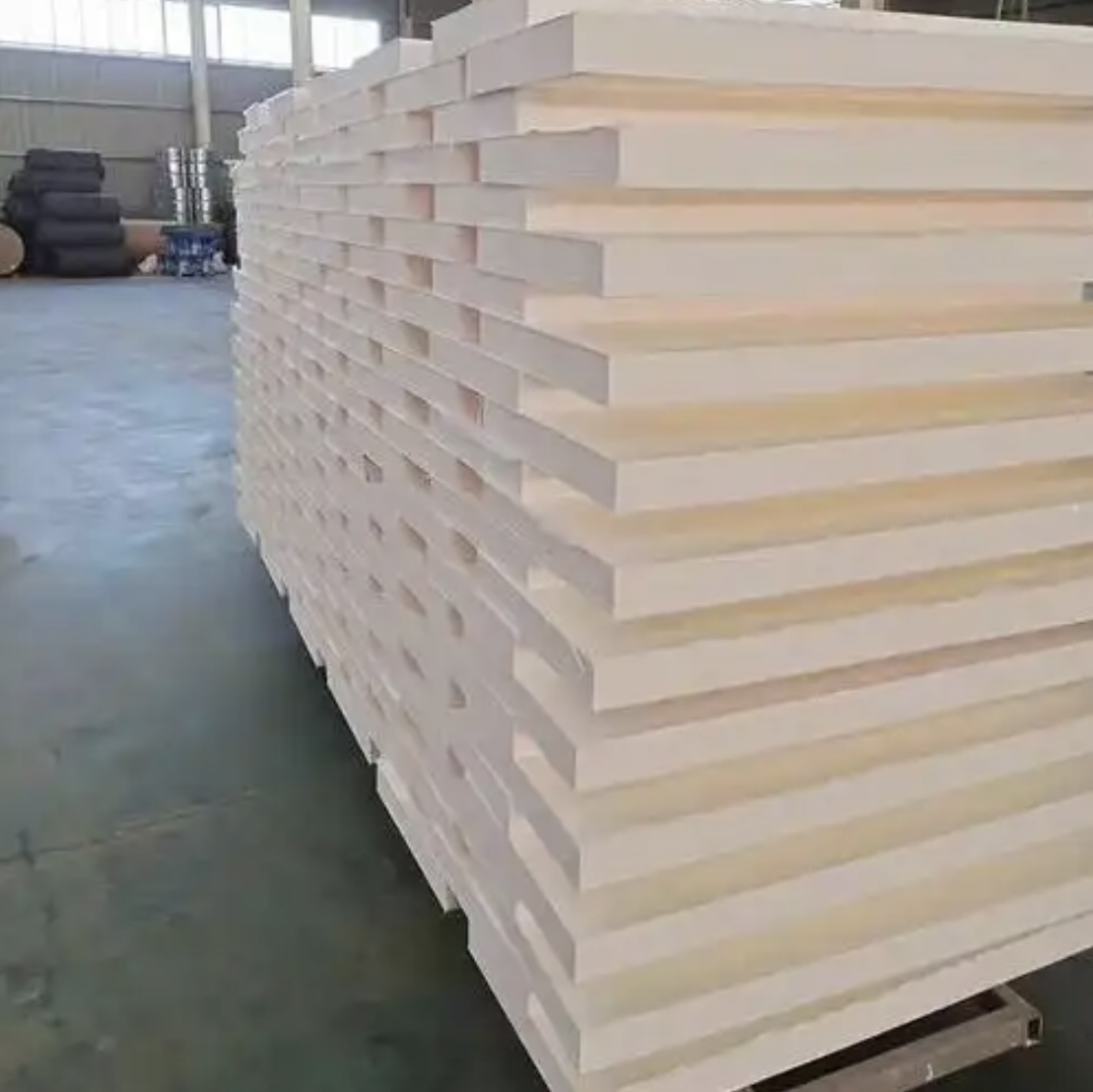
It excels in acoustic performance, with rock wool sound insulation delivering superior low-frequency noise reduction compared with ordinary wool materials. It is widely applied in noise-intensive workshops and equipment rooms. Beyond building insulation, rock wool pipe insulation suits high-temperature industrial HVAC pipelines, while rock wool wall insulation batts and rock wool slabs support stable long-term thermal preservation for building wall and roof systems.
3. Core Performance Comparison: Glass Wool vs Rock Wool
The following multi-dimensional comparison clarifies the applicable boundaries of glass wool insulation and rock wool insulation for steel roof engineering:
Fire Resistance: Both materials are A1-grade non-combustible. The key difference lies in high-temperature tolerance: rock wool remains stable above 700°C, while glass wool maxes out at 230-260°C. Thus, rock wool is mandatory for high-temperature, fire-risk industrial scenarios.
Thermal Insulation Performance: Both offer excellent thermal preservation. At ambient temperature (25°C), glass wool insulation has a slightly lower thermal conductivity (0.032-0.040 W/m·K) than rock wool insulation (0.035-0.045 W/m·K), delivering better conventional insulation efficiency. Rock wool, however, maintains stable performance under extreme high temperatures.
Sound Insulation Effect: rock wool sound insulation provides stronger low-frequency noise absorption and higher stability, ideal for steel workshops with mechanical operating noise.
Weather Resistance & Stability: Rock wool features excellent moisture-proof, anti-corrosion and high-temperature resistance for long-term outdoor use. Glass wool is prone to fiber shrinkage in harsh environments, suitable only for sheltered and indoor scenarios.
Cost Difference: glass wool insulation lowers overall project budgets for conventional large-area construction. rock wool insulation is more costly but irreplaceable for high-standard fireproof and high-temperature resistant projects.
Installation Efficiency: Flexible glass wool blanket can be quickly laid over large roof areas to save labor costs. Rigid rock wool boards require frequent cutting and fitting, leading to slower construction progress.
4. Suitable Scenarios & Steel Roof Selection Guide
4.1 When to Choose Glass Wool
For ordinary light steel warehouses and low-risk workshops without strict fire and high-temperature requirements, glass wool blanket is the optimal choice. 50mm glass wool insulation meets daily energy-saving and noise reduction demands while controlling project costs, perfect for conventional roof, ceiling and HVAC pipeline insulation.
4.2 When to Choose Rock Wool
rock wool insulation is specified for high-standard industrial scenarios: workshops with high-temperature production processes, chemical plants, and buildings with strict fire and noise control requirements. It is ideal for large-span steel roof attic insulation, exterior wall insulation, and high-temperature pipeline insulation projects.
4.3 Core Selection Guide for Steel Workshop Roofs
Steel roofs have limited bearing capacity, making structural load a vital selection factor. Rock wool is 6-10 times heavier than glass wool at the same thickness; a 10,000m² steel roof will bear tens of tons of extra load, possibly requiring framework reinforcement. For most standard steel workshops with normal temperature and ordinary fire demands, lightweight glass wool blanket is the default cost-effective option. For scenarios with continuous high temperature (over 300°C), strict A1 fire codes or heavy mechanical noise, rock wool insulation is the preferred solution.
5. Frequently Asked Questions
Q1: Which is more durable for steel roof insulation, rock wool or glass wool? A: rock wool wall insulation systems have better weather resistance and structural stability for outdoor industrial use. Glass wool is more durable in stable indoor and sheltered environments.
Q2: Is 50mm glass wool enough for industrial roof insulation? A: 50mm glass wool insulation meets standards for conventional warehouses in mild climates. Thicker rock wool is recommended for cold regions and high-energy-saving projects.
Q3:Can glass wool and rock wool be used together in the same steel roof system? A: Yes. Most high-standard projects adopt composite systems. Glass wool blanket serves as the primary thermal insulation layer to control costs and load weight, while rock wool boards function as fire barriers in high-risk areas. Engineers need to calculate the total weight of all materials to prevent exceeding the roof’s load-bearing capacity.
6. Conclusion
There is no absolute superior material for steel roof insulation, only the most suitable one. glass wool is lightweight, budget-friendly and superior in ambient-temperature insulation for conventional steel workshop projects. rock wool insulation stands out in high-temperature resistance, extreme fire safety and rock wool sound insulation performance, catering to high-risk industrial building demands. Designers can select materials based on project fire grade, operating temperature, structural load, noise requirements and budget.
Need expert advice for your steel workshop roof insulation project? We supply both glass wool insulation and rock wool insulation with customized thickness and density. Contact our technical team for project-specific recommendations. Free material samples and detailed quotations are available upon request.