Phenolic Board VS Rock Wool Board: Fire Rating & Thermal Conductivity Comparison
In commercial construction, industrial envelope renovation, and HVAC system engineering, building insulation boardselection directly affects energy-saving efficiency, fire safety compliance, and long-term operational costs. Among widely used rigid insulation materials, phenolic board and rock wool board are the two most common options. Many architects and contractors compare phenolic board vs rock wool board focusing on core technical indicators: thermal conductivity and fire rating. This article provides a detailed, neutral performance comparison to help engineers select the ideal insulation material for walls, roofs, and ventilation systems.
1. Basic Overview of Phenolic Board and Rock Wool Board
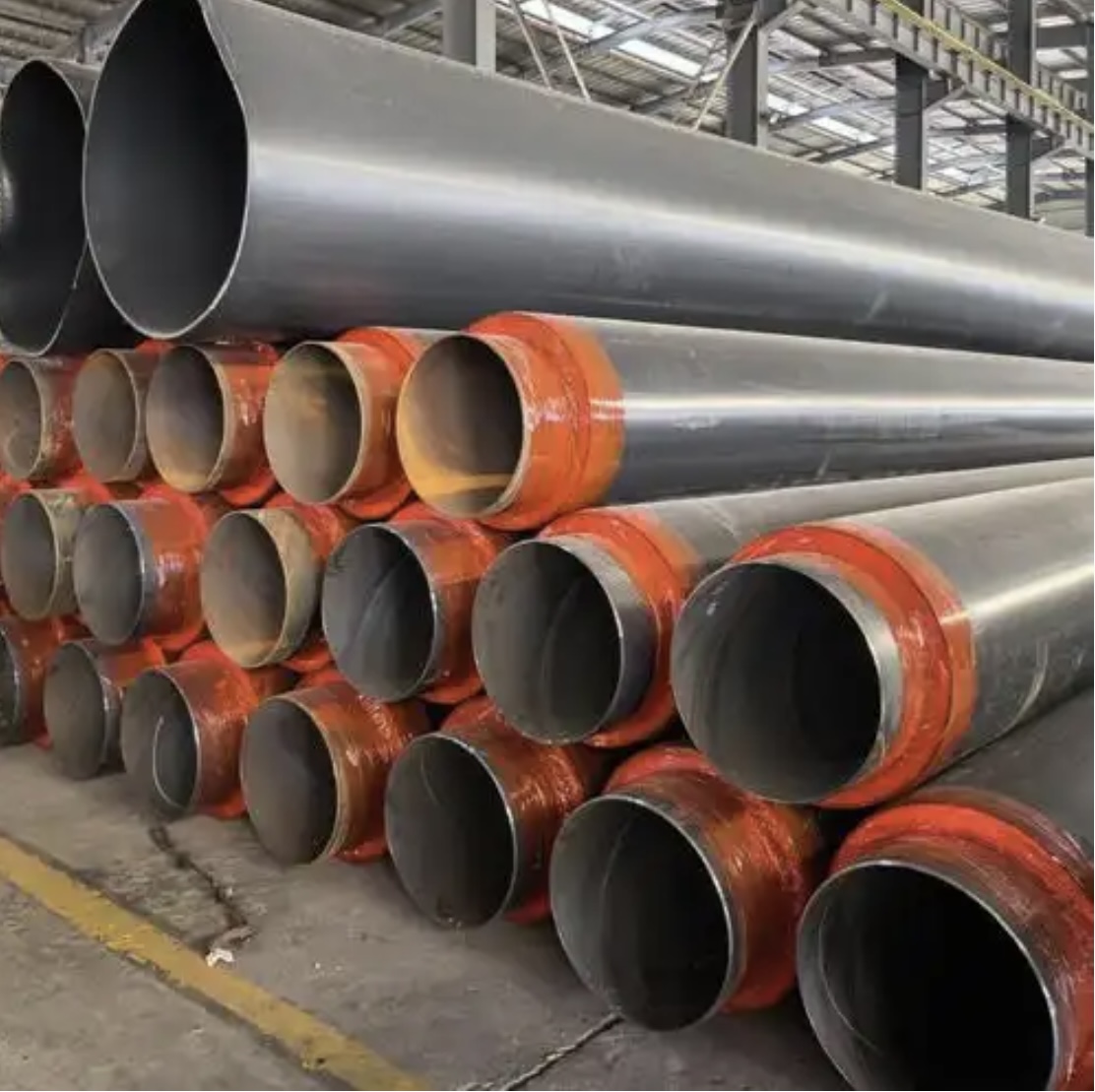
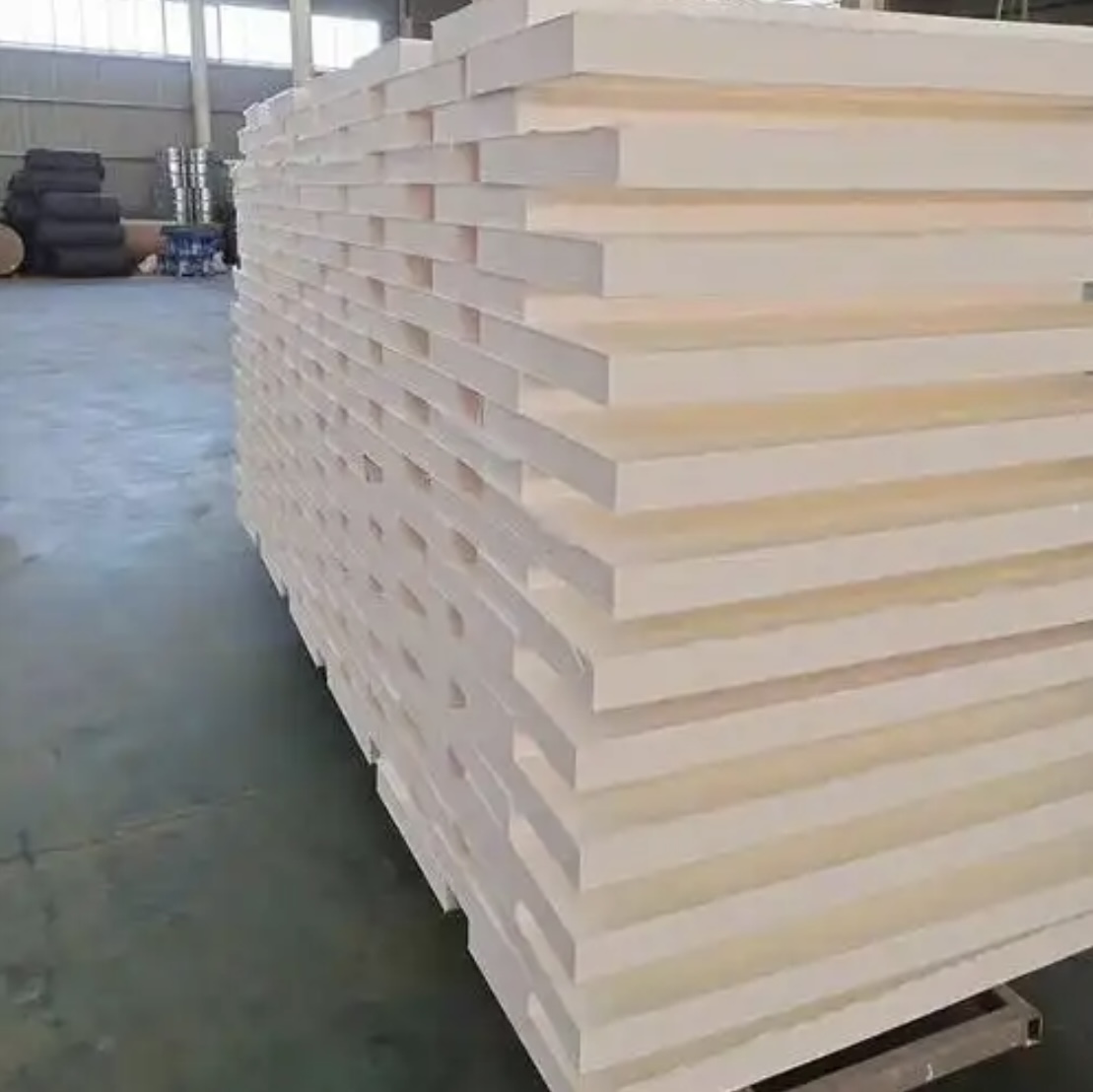
phenolic board is a closed-cell rigid foam insulation material made from phenolic resin foaming and curing. It features an ultra-fine closed-cell structure, lightweight texture, and outstanding thermal insulation performance. It is widely used as HVAC phenolic duct board, exterior wall insulation, clean room ventilation insulation, and light-duty roof insulation. It adapts to low and medium temperature environments and delivers stable thermal performance under normal atmospheric conditions.
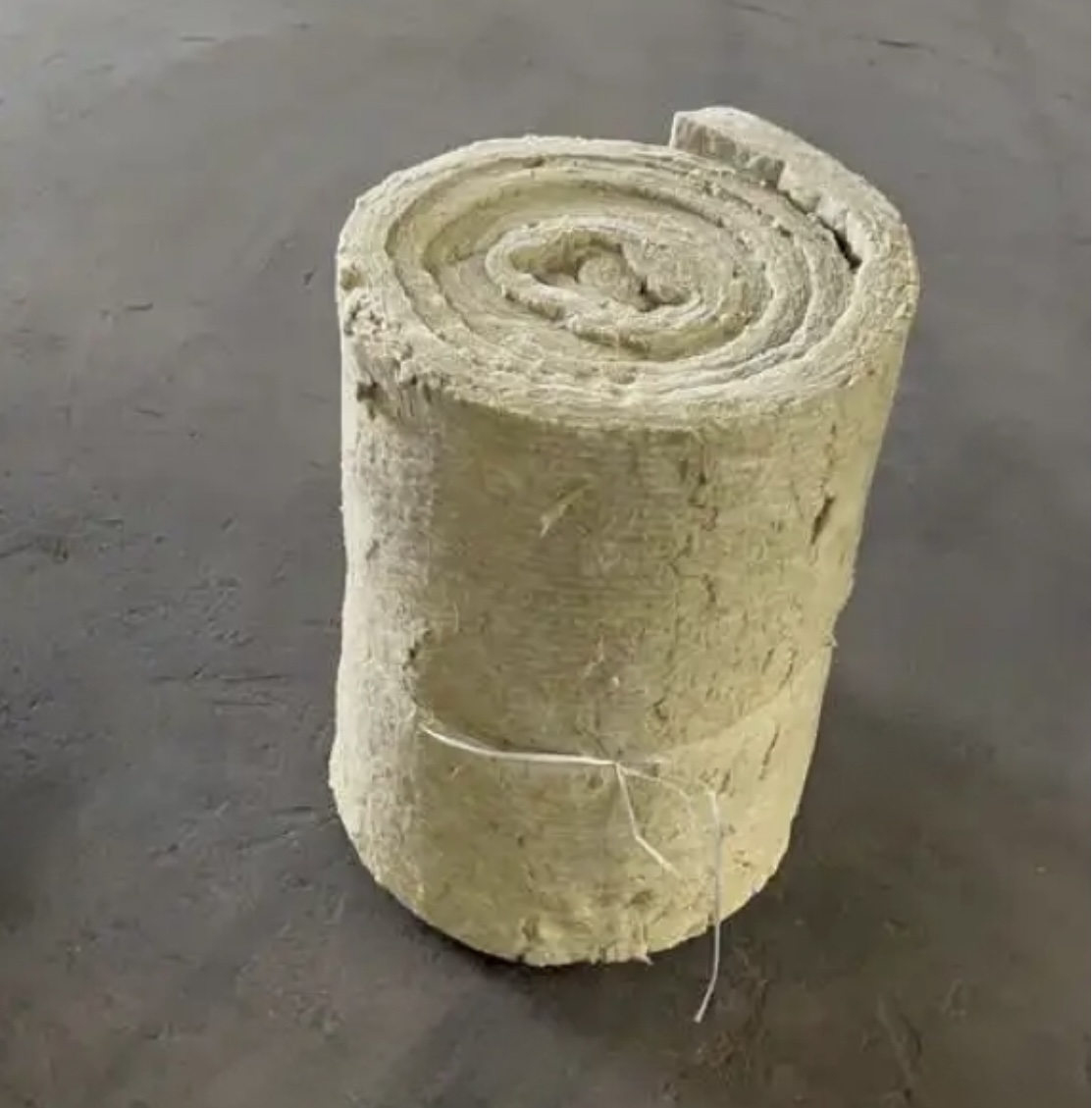
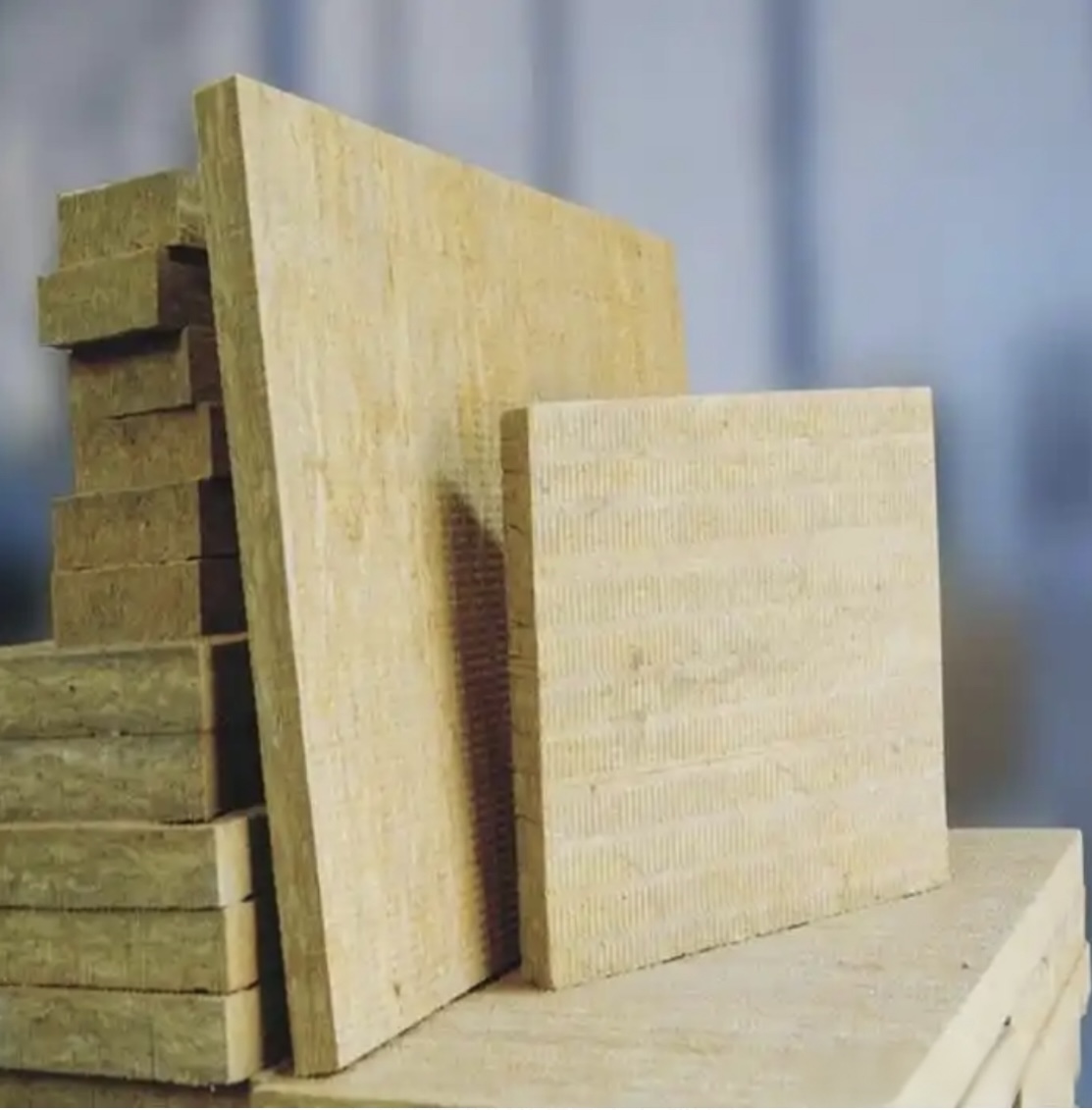
rock wool board is a rigid inorganic fireproof insulation material processed from basalt and natural mineral ores. As a classic inorganic building insulation material, it is famous for excellent high-temperature resistance and superior fire stability. It is commonly used for industrial wall insulation, steel structure roof insulation, and fire barrier filling in high-risk factory buildings.
2. Fire Rating and Fire Resistance Performance
Fire rating is the most critical safety indicator for building envelope insulation, especially for high-risk industrial and public construction projects. rock wool board achieves A1 fully non-combustible fire rating, the highest fire resistance standard in the construction industry. It can continuously withstand high temperatures up to 700°C without melting, dripping, or producing toxic smoke, fully meeting strict fire protection requirements for industrial workshops, chemical plants, and high-standard public buildings.
phenolic board typically achieves B1 to A2 fire rating, depending on the specific product formulation and production process. Premium-grade phenolic board can reach A2 non-combustible grade, while conventional products belong to the B1 flame-retardant grade. All qualified phenolic boards feature self-extinguishing properties and extremely low smoke density during combustion, with no harmful gas volatilization, fully complying with fire safety standards for commercial buildings, HVAC duct systems, and civil exterior wall insulation.
3. Thermal Conductivity Performance Comparison
Thermal conductivity determines the core heat preservation capacity of insulation materials. At standard room temperature (25°C), phenolic board shows obvious advantages in thermal insulation efficiency. The thermal conductivity of phenolic foam insulation typically ranges from 0.022 to 0.030 W/m·K, with premium grades reaching as low as 0.022 W/m·K, ranking it among the most efficient rigid insulation materials available.
In comparison, the thermal conductivity of rock wool board typically ranges from 0.034 to 0.045 W/m·K (tested at 25°C), with standard grades stabilizing around 0.040 W/m·K. Although rock wool provides reliable thermal insulation, its heat preservation efficiency is slightly lower than phenolic board under conventional temperature conditions. Thanks to its dense closed-cell structure, phenolic board effectively blocks air convection and reduces heat loss, making it more suitable for projects requiring high energy-saving standards.
4. Structural Stability and Construction Adaptability
In terms of installation adaptability and structural performance, the two materials have obvious differences in density and practical usability.phenolic board has a density of 30–100 kg/m³, while rock wool board ranges from 60–200 kg/m³. This significant weight difference greatly affects on-site handling, transportation costs, and structural load-bearing design for large-scale building projects.
phenolic board is lightweight, high-strength, and easy to cut and paste on-site. Its closed-cell structure provides excellent moisture resistance and water impermeability, avoiding performance attenuation caused by humid air penetration. It also offers a wide service temperature range from -196°C to 200°C, maintaining stable physical performance without shrinkage or embrittlement under extreme thermal conditions. It is highly suitable for prefabricated duct insulation and exterior wall integrated insulation systems.
rock wool board has high density and strong compression resistance, but it is heavier and more cumbersome during construction. Its open fiber structure enables excellent sound absorption and high-temperature stability, though it is more susceptible to moisture absorption in long-term humid environments. Therefore, rock wool board is more suitable for fixed wall and roof fire insulation rather than closed ventilation systems.
5. Applicable Scenario Selection Guide
Choose Phenolic Board If your project requires ultra-low thermal conductivity, high energy-saving efficiency, lightweight load reduction, and excellent moisture resistance. Typical scenarios includeHVAC phenolic duct boardsystems, commercial building exterior walls, clean rooms, and light-load roof insulation projects.
Choose Rock Wool Board If the project has strict A1 fire protection requirements, high-temperature working environments, or industrial fire barrier design. It is the preferred building insulation board for factory workshops, steel structure roofs, chemical industrial zones, and public building fire isolation systems.
6. Frequently Asked Questions
Q1: Which is better for energy saving, phenolic board or rock wool board? A: phenolic board typically offers a thermal conductivity of 0.022–0.030 W/m·K, compared to rock wool’s 0.034–0.045 W/m·K. This means phenolic board provides approximately 20–35% better thermal insulation efficiency under conventional temperature conditions, making it more advantageous for long-term building energy consumption reduction.
Q2: Is rock wool board always more fireproof than phenolic board? A: Yes. rock wool board features A1 non-combustible fire rating, the highest fire safety grade for building insulation materials. phenolic board only achieves B1 to A2 fire rating depending on product grade. For projects requiring the highest standard fire resistance and high-temperature stability, rock wool board is the superior choice.
Q3: Can phenolic board be used for exterior wall insulation? A: Absolutely. With low water absorption, stable thermal performance, and qualified flame-retardant properties, phenolic board is widely used in exterior wall insulation and HVAC thermal preservation projects in commercial and civil buildings.
7. Conclusion
The choice between phenolic board and rock wool board depends on core project priorities. phenolic board excels in low thermal conductivity, extreme temperature adaptability, lightweight performance, and moisture resistance, making it ideal for commercial buildings and HVAC insulation systems. rock wool board dominates in top‑tier fire rating and high‑temperature structural stability, serving as the safest option for high‑fire‑risk industrial buildings. Reasonable material selection based on actual project fire codes, energy‑saving requirements, and structural load limits can balance fire safety, thermal insulation efficiency, and construction economy.
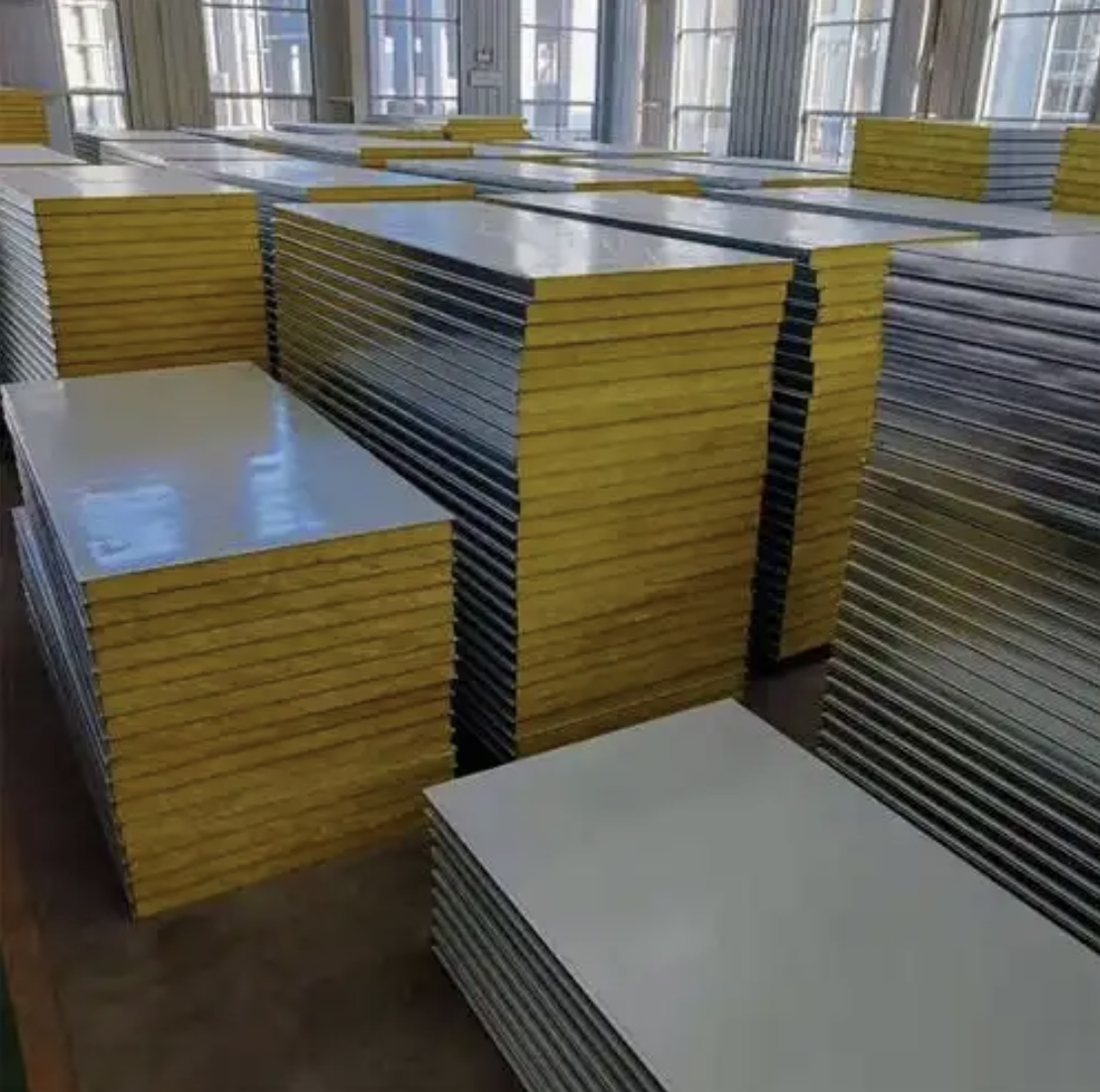
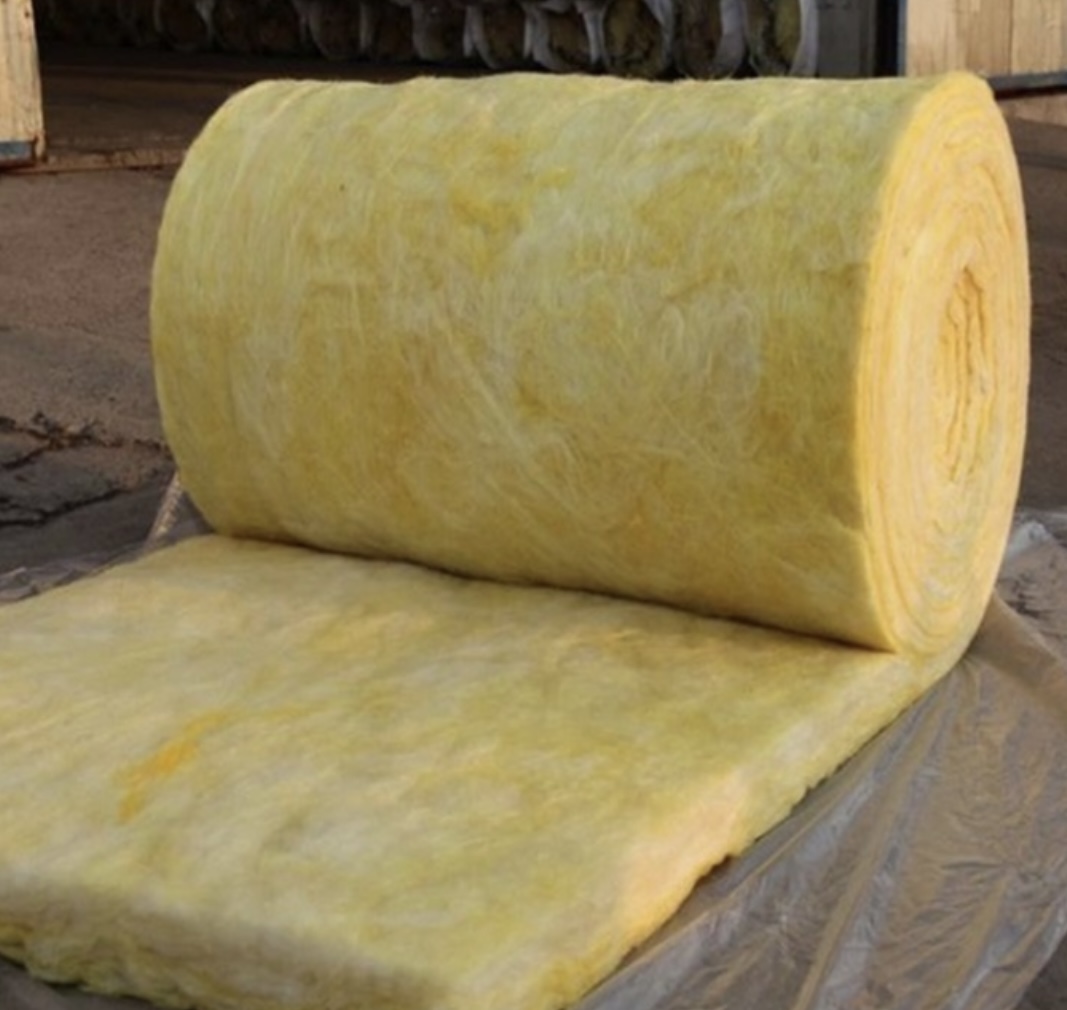
Besides phenolic and rock‑wool insulation, glass wool board is another mainstream rigid thermal‑insulation option widely deployed for steel‑structure building envelopes.