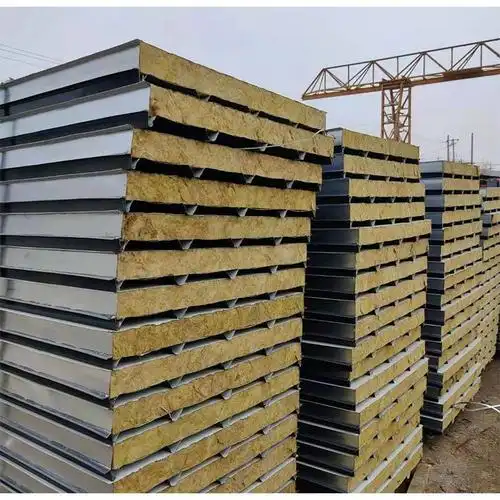
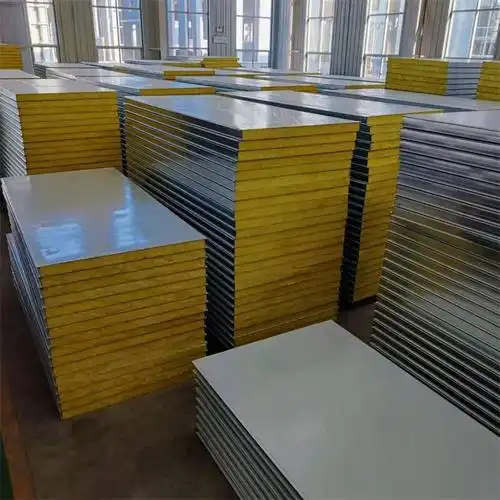
High-Performance Wall and Roof Systems with Fiberglass Foam Sandwich Panels
Factory-Built Building Envelope from a Glass Wool Sandwich Panel Manufacturer
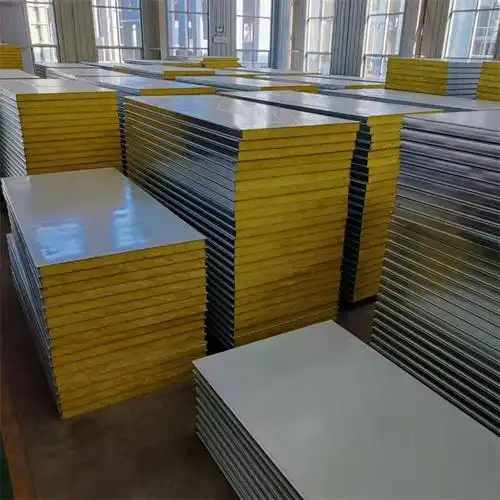
Site-built walls and roofs take time, and every extra layer is another place for gaps to appear. Xiaolong manufactures fiberglass foam sandwich panels that bond color-coated steel skins to a resilient glass wool core in one factory-made unit, so insulation, sound control and finish arrive together. Send your panel schedule and preferred metal finishes to discuss the right supply arrangement for your project.
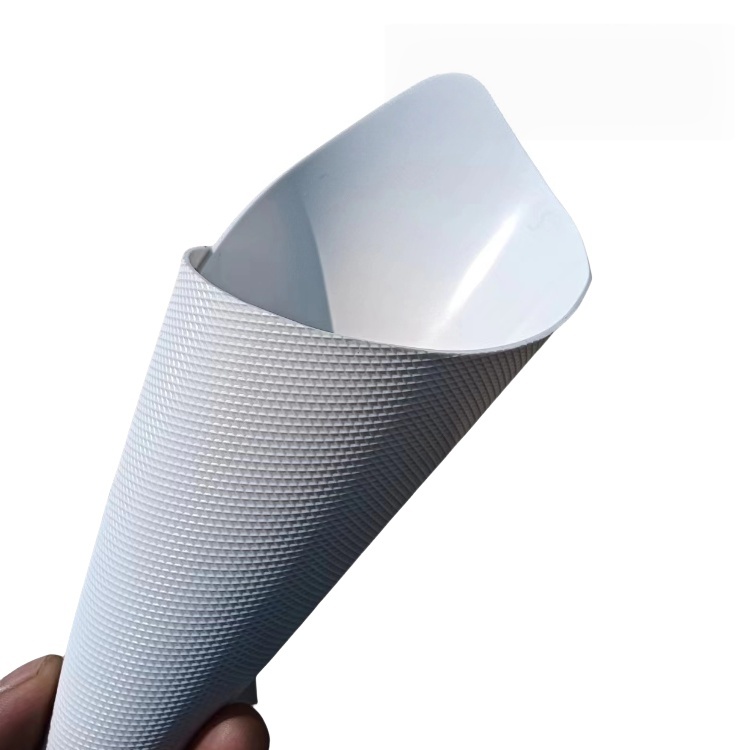
Ribbed Finishes for Coordinated Architectural Exteriors
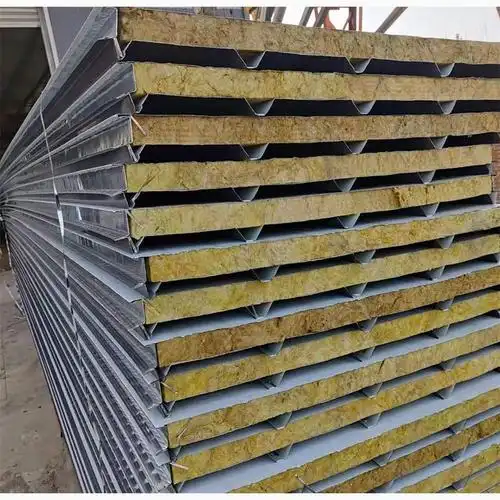
Glass Wool Core, Not a Composite Foam Board
Search results for this term often show FRP foam-core boards used in RVs and vehicles. Xiaolong fiberglass foam sandwich panels are different: steel-faced building panels with a glass wool core.
The fibrous core is non-combustible and damps sound, which suits workshops and occupied buildings. Our color steel glass wool sandwich panel guide covers the types in more detail.
Factory-Integrated Metal Skins
Both steel skins are bonded to the core under controlled conditions, so the panel stays flat and does not delaminate during handling.
The coating is applied before forming, which gives an even color across a whole batch.
Joint Profiles that Shed Water
Roof panels use lap joints shaped to drain water away from the seam, and wall panels use interlocking edges for a flush face.
Most leaks start at joints and fixings rather than at the panel face, so the edge detail matters as much as the core.
Light Weight and Fast Erection
Panels are much lighter than masonry, which reduces the load on the steel frame and foundations.
Fiberglass foam sandwich panels for walls and roofs can go up in large sections, so the building is weather-tight sooner.
Panel Specifications
| Parameter | Specification |
|---|---|
| Core Material | Fiberglass Wool / Glass Wool |
| Facing Material | Color-Coated Steel Sheet |
| Panel Structure | Metal-Faced Sandwich Panel |
| Surface Finish | Smooth / Profiled |
| Edge Treatment | Project-Specific Joint Profile |
| Fixing Method | Compatible with Supporting Frame |
Thickness, core density and coating are matched to each project's building requirements.
Buildings that Need Insulated, Quiet and Fast-Built Envelopes
Steel-Structure Workshops
Roof and wall cladding for machining, assembly and light manufacturing halls.
Partition walls that separate noisy equipment from offices and quality control areas.
Warehouses and Logistics Sheds
Long roof runs where steady indoor temperature protects stored goods.
Loading bays and dock-side walls that take frequent knocks.
Clean and Temperature-Controlled Rooms
Smooth-faced panels that wipe clean in food, electronics and packing rooms.
Constant-temperature spaces, where joint sealing matters more than the thickness number.
Modular, Agricultural and Temporary Buildings
Site offices, dormitories and guard houses assembled on a light frame.
Livestock houses and storage sheds that need washable, corrosion-resistant surfaces.
Expandable facilities, where panels can be unbolted and reused.
Panel Planning Questions from Builders and Owners
1. How far can the panels span between purlins or girts?
It depends on panel thickness, steel skin gauge and the wind and snow loads at your site. Give us the frame spacing and design loads, and we will check the span before the panel schedule is fixed.
2. Are fiberglass foam sandwich panels noisy when it rains?
Much quieter than a single steel sheet. The fibrous core absorbs impact noise from rain and hail, so a roof of these panels sounds softer inside than bare metal cladding.
3. How should I treat panel edges that are cut on site?
A cut exposes the core, and glass wool must stay dry. Close every cut edge with a trim, flashing or sealant right away, and keep panels covered and off the ground until they are fixed.
4. Can I use them for a backyard workshop or garden room?
Yes, on a simple steel or timber frame. Wear gloves when handling, because cut steel edges are sharp, and use a dust mask when trimming, since core fibers can irritate skin.
5. Do dark colors cause problems on long roof runs?
They can. Dark steel skins heat up in sun and expand more than light ones, so on long runs allow for movement at the fixings and use light colors where the heat gain is a concern.
Start a Supply Discussion for Your Next Facility
Your schedule does not wait, and neither should your wall and roof package. Xiaolong works with contractors, steel-structure builders and distributors on custom specifications, bulk wholesale supply, project tender submissions and factory test documents. Send your drawings and building use, and we will recommend fiberglass foam sandwich panels in a build that fits your frame, your climate and your budget. For the full range of panel types, see our glass wool sandwich panel performance guide.