TPO vs PVC Waterproof Membrane: Which Roof Membrane For Industrial Steel Building
For large-span industrial steel building roofs, choosing reliable single-ply roofing material directly impacts waterproof performance, anti-aging property and overall project expenditure.TPO waterproof membrane and PVC waterproof membrane are two mainstream thermoplastic roofing solutions for factory and prefabricated steel facilities. Many architects and contractors compare TPO vs PVC waterproof membrane, as the two look similar but vary greatly in composition, installation and field adaptability. Wrong selection may cause leakage, shrinkage and expensive rework in later operation.
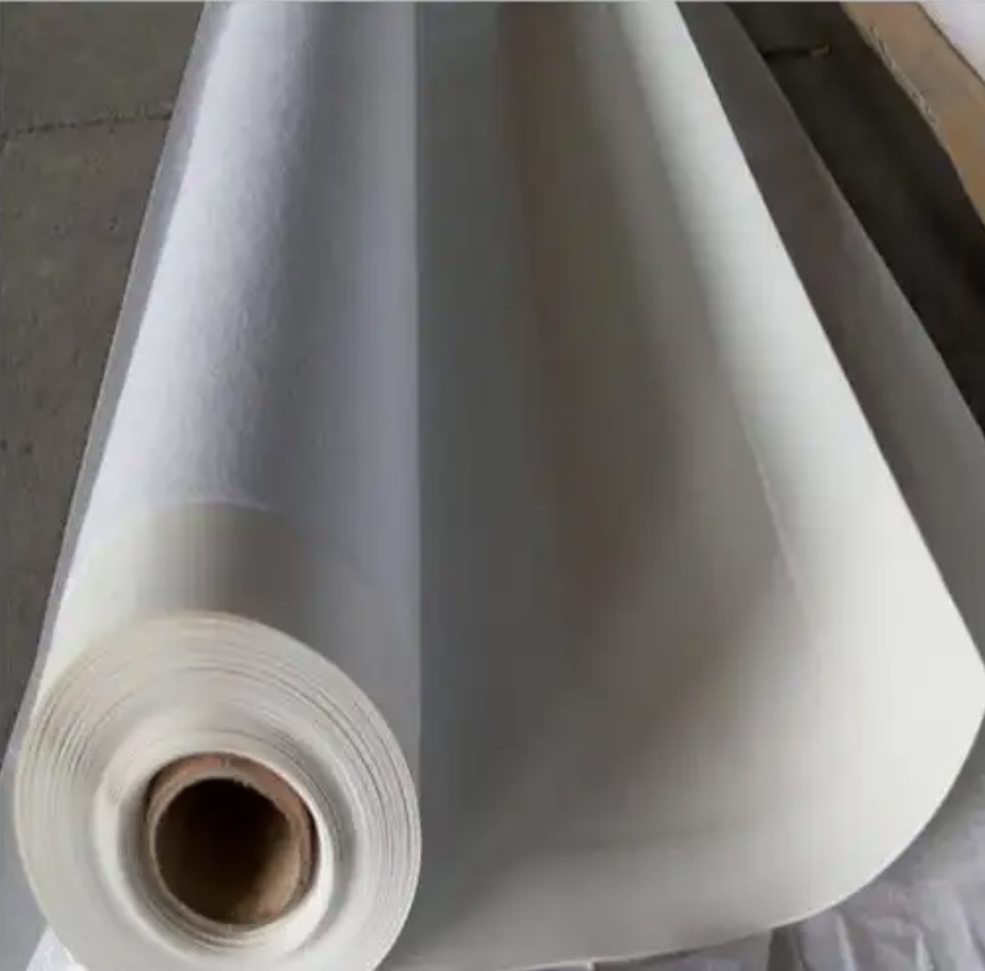
Core Material Property Differences
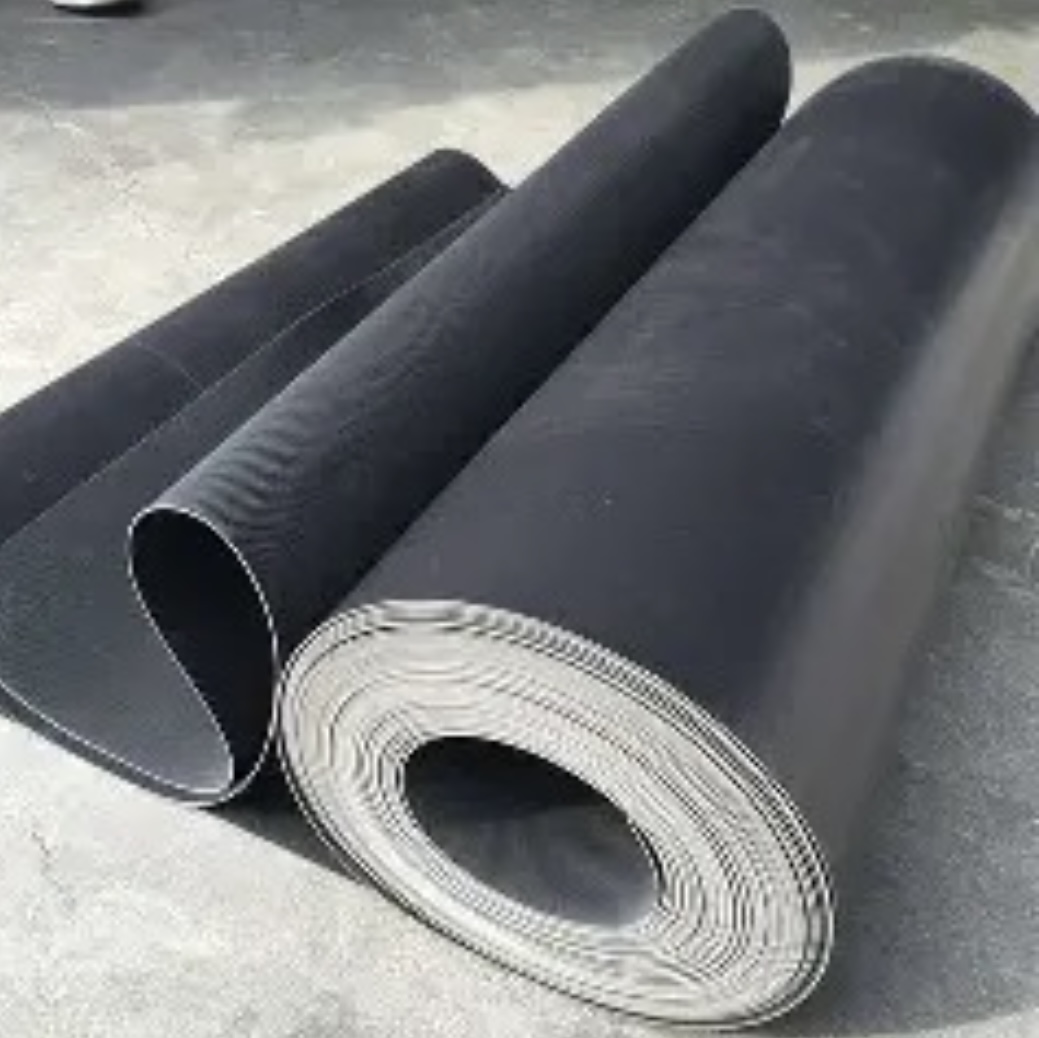
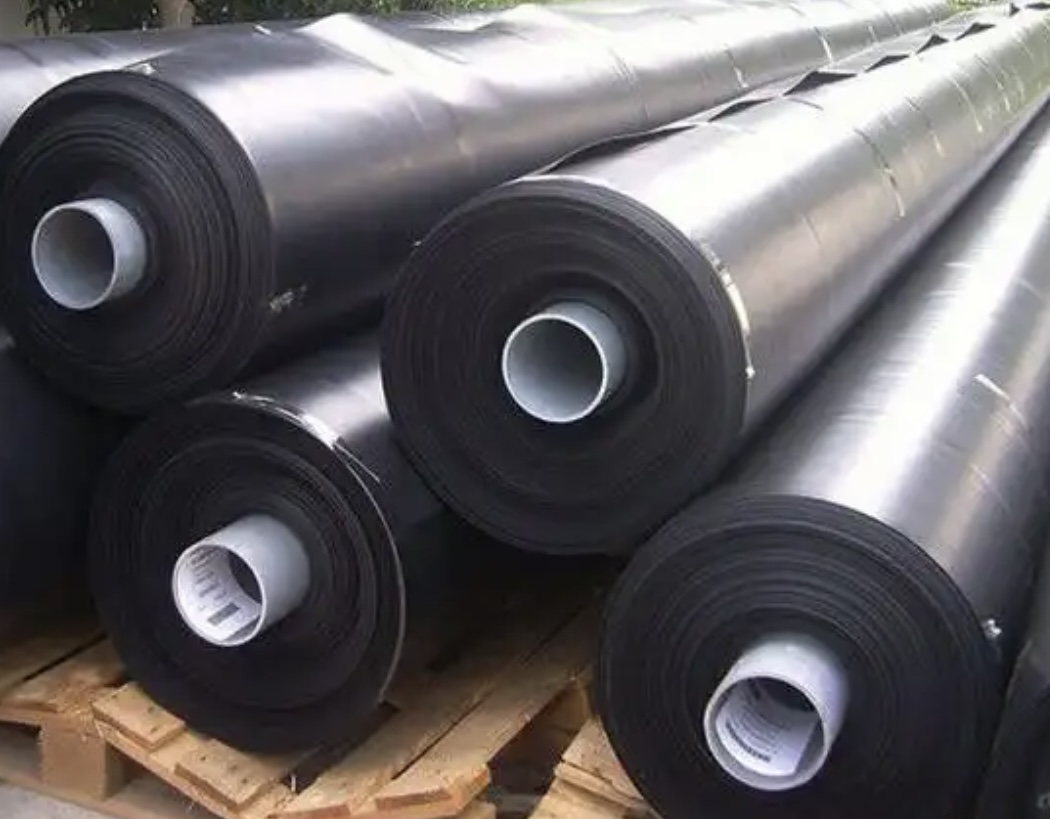
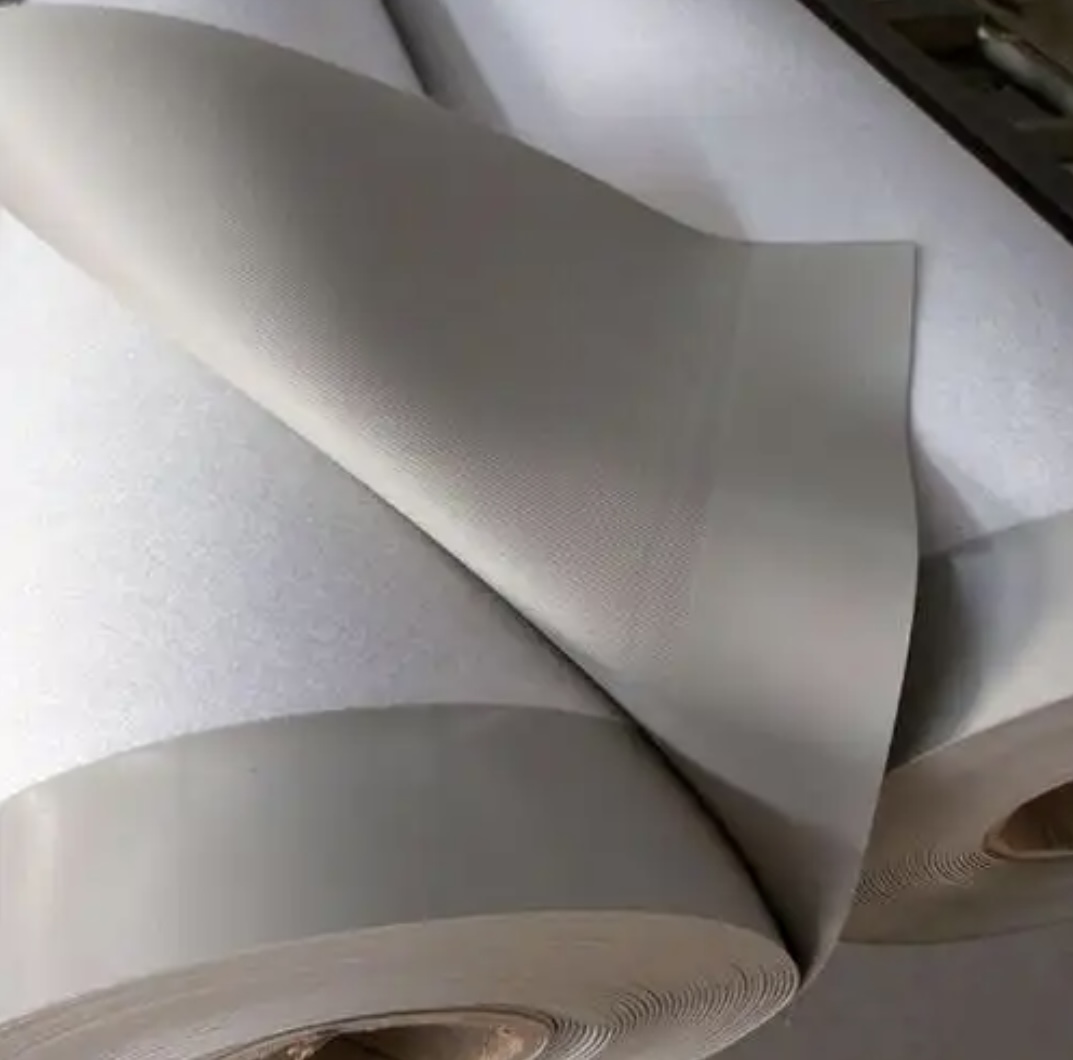
Homogeneous TPO is a plasticizer-free thermoplastic polyolefin material with excellent low-temperature flexibility, oxidation and UV resistance. Reinforced TPO adds a fabric layer to improve tensile strength and puncture resistance for deformable steel roofs. Backed TPO with fleece backing enhances adhesion on uneven substrates.
Homogeneous PVC waterproof membrane relies on plasticizers for flexibility and delivers stable hot-air welding under regular temperatures. Reinforced PVC adopts polyester reinforcement for higher mechanical strength, while Backed PVC reduces stress concentration between the membrane and steel base.
A key difference is plasticizer migration. Long-term sun exposure and high temperature may make conventional PVC turn brittle after decades of use. Premium-grade PVC mitigates this issue, yet the risk still exists. Completely plasticizer-free, TPO waterproof membrane maintains stable flexibility for long-term outdoor service.
Practical Performance for Steel Roof Applications
In cold regions, TPO waterproof membrane performs better in low-temperature bending, effectively reducing cracking risk under sharp metal roof temperature swings. Both materials provide decent UV resistance, yet high-quality TPO maintains more stable physical performance under intense sunlight and long-term weathering.
For manufacturing workshops exposed to industrial oil or chemical vapor, TPO waterproof membrane offers better chemical tolerance. PVC may gradually degrade when contacting certain oily substances, which requires attention for chemical plant projects. Both reinforced TPO and reinforced PVC meet tensile requirements for steel-structure deformation. Reinforced specifications are highly recommended for roofs with frequent maintenance foot traffic.
Installation Notes
Both TPO waterproof membrane and PVC waterproof membrane adopt hot-air welding installation, but their welding parameters cannot be interchanged.
PVC waterproof membrane has a wider feasible welding temperature range and is more forgiving for ordinary installers. However, solvent residues on steel accessories will damage PVC materials, so thorough surface cleaning is required before laying.
TPO waterproof membrane demands precise control of welding temperature and speed. Improper operation easily leads to seam failure. For backed TPO, installers must avoid squeezing fleece into welding zones. Proper fastener spacing is essential for wind uplift resistance on large-span steel roofs. Sharp metal edges and protrusions must be pre-processed to prevent membrane puncture.
Suitable & Unsuitable Application Scenarios
Choose TPO waterproof membrane for cold zones with huge temperature fluctuation, workshops exposed to industrial chemicals, and projects requiring 20+ years of long-term anti-aging performance.
Choose PVC waterproof membrane for mild-climate projects, roof renovation overlay on compatible old substrates, and budget-limited projects that fully comply with local building codes.
Neither material suits locations with persistent roof ponding without effective slope design. Long-term standing water accelerates aging of both membranes and shortens service life.
Common Selection Mistakes
Many buyers judge membrane quality merely by thickness. In fact, reinforced layer structure and raw material formula are equally important. Mismatching materials with local climate and working conditions is another common mistake. Even premium TPO vs PVC waterproof membrane cannot achieve expected service life if hot-air welding workmanship is substandard. Installation quality determines the final waterproofing effect.
FAQ
Q: Which one has higher material cost? A: Price depends on specific specifications. Normally, high-performance TPO waterproof membrane costs more initially. Project owners should evaluate full-life-cycle cost instead of one-off purchase price.
Q: Can TPO and PVC be welded together on one roof? A: Not recommended. Different chemical compositions cannot form reliable permanent welding seams. Do not mix TPO and PVC materials within the same waterproof system.