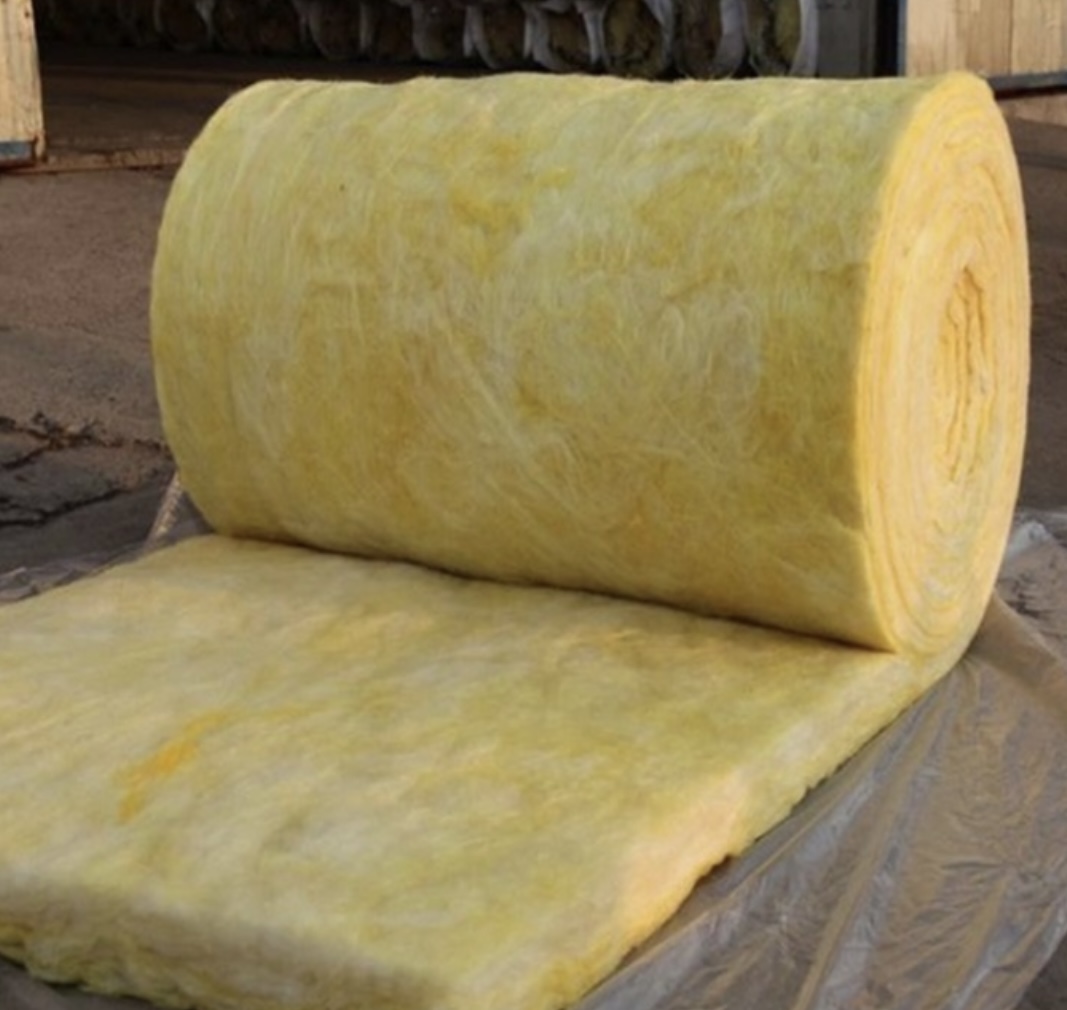
Glass Wool Pipe Complete Selection Guide: Thermal Insulation, Anti-Freezing, Anti-Condensation and Noise Reduction for Piping Systems
1. Product Overview
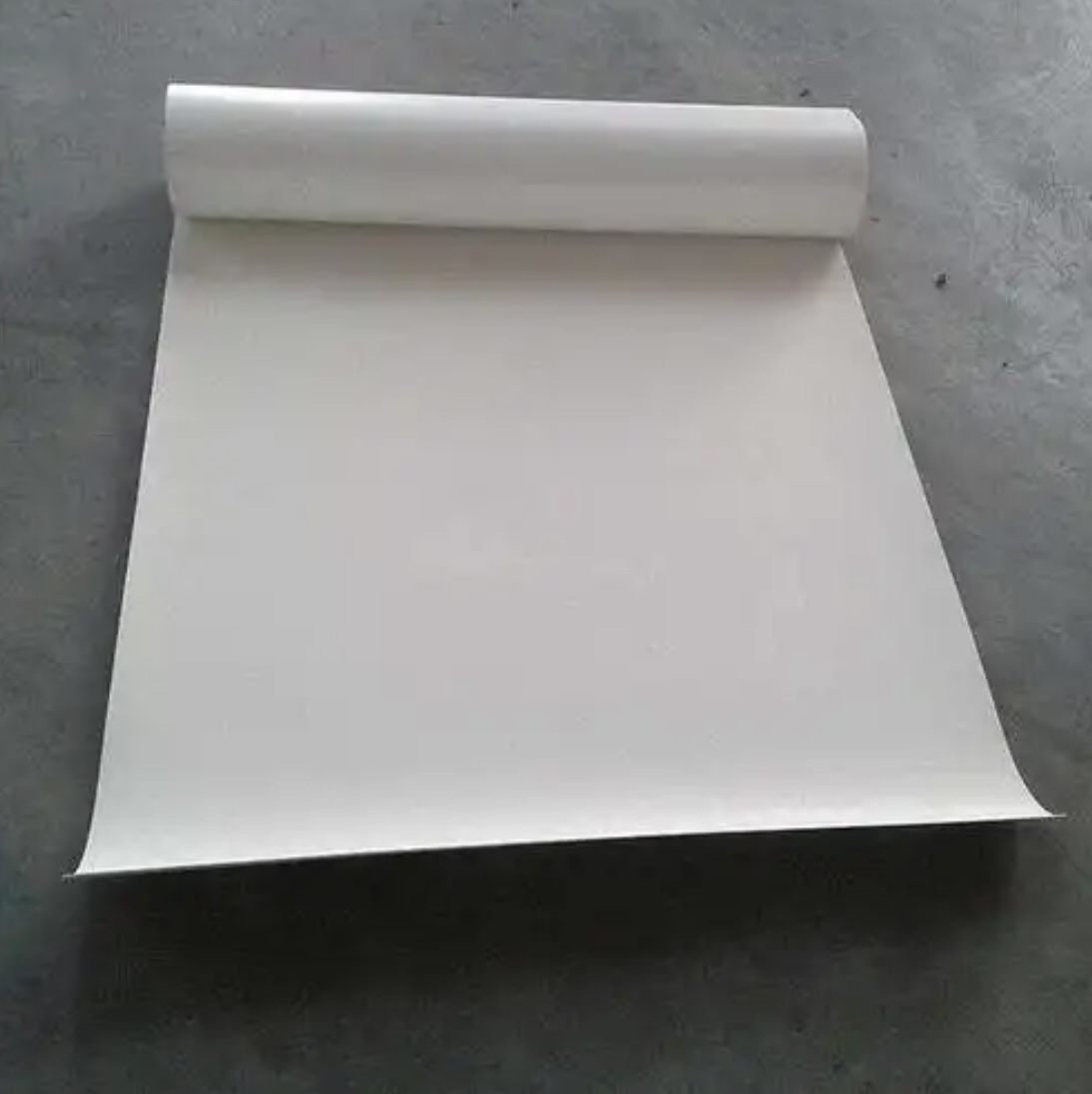
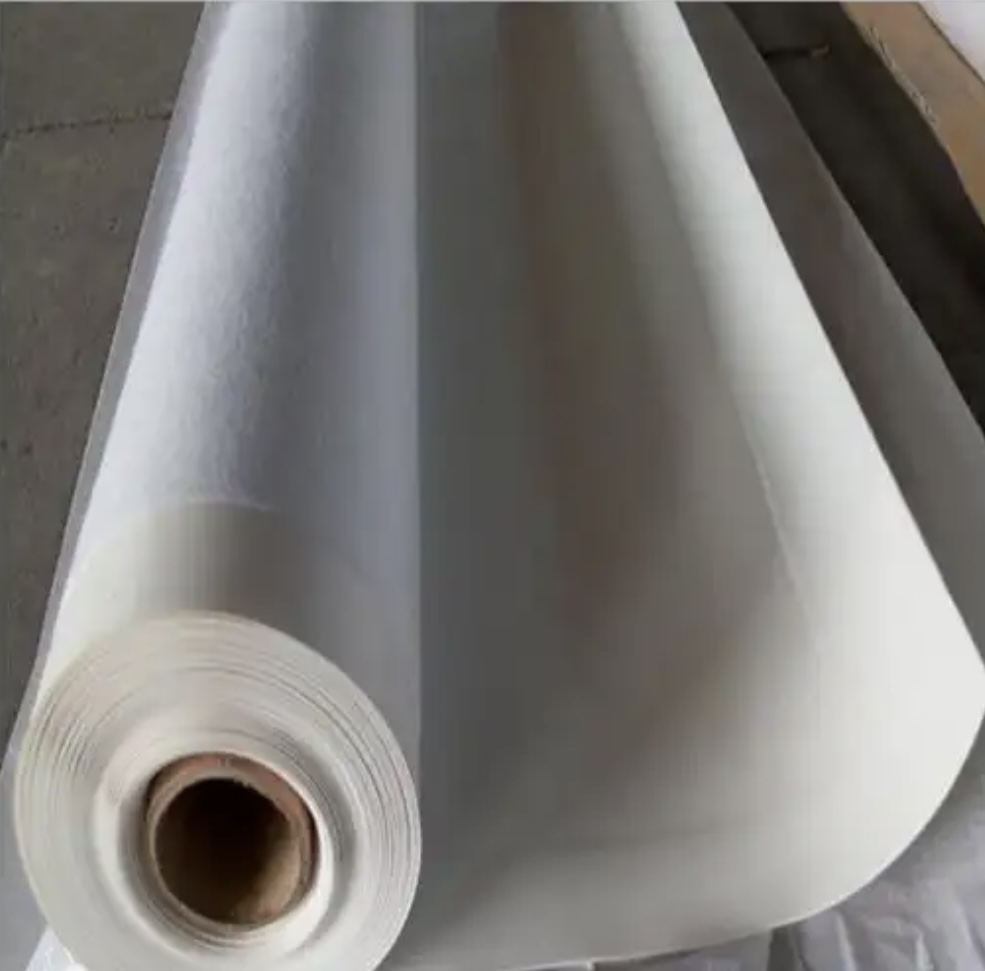
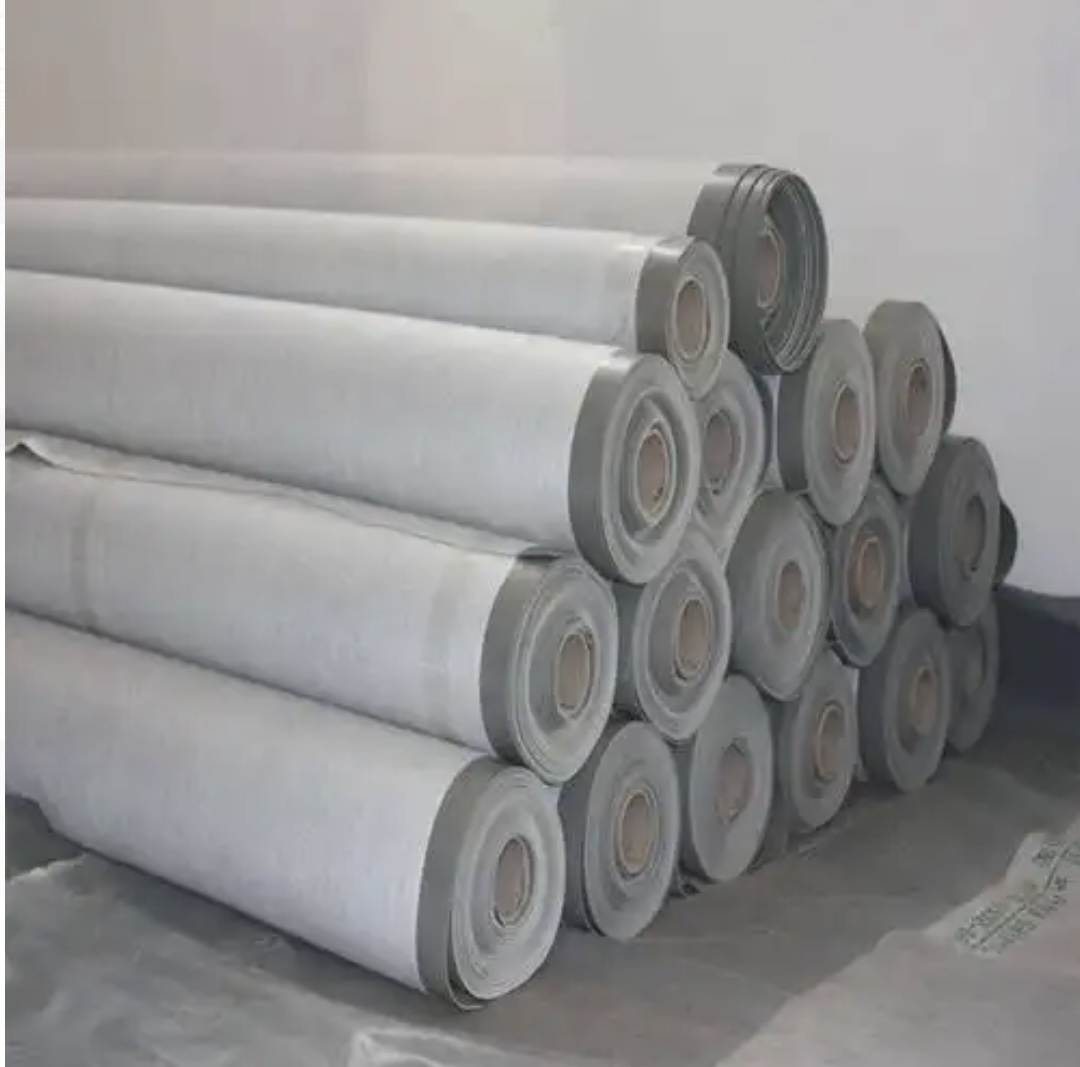
Pipe insulation, freeze prevention, anti-condensation and sound deadening are essential for steady running of HVAC, building heating, industrial piping and pump house facilities. Preformed glass wool tubes are tailor-made for round pipelines. They fit tightly on pipes, install quickly and come with reliable fireproof and sound-absorbing traits plus good outdoor durability, becoming mainstream prefabricated insulation widely purchased for domestic works and bulk overseas export orders. This type of finished insulation is formally named Glass Wool Pipe in global building material trade.
2. Raw Material & Product Features
Raw ores like quartz sand, soda ash and borax go through high-temperature melting and centrifugal fiber spinning. After thermosetting resin blending and curing, finished inorganic precast pipe shells take shape. Different from glass wool boards and blankets, these tubes adopt one-piece cylindrical molding with preset longitudinal split cuts. Workers open the slit and wrap directly around pipes without extra onsite trimming. Compact structure and precise dimension stop long-term loosening or cracking. The product satisfies local and international HVAC energy-saving & fire codes for hot and cold pipeline insulation projects.
3. Core Performance Benefits
Inherited from glass wool’s inherent merits, prefabricated pipes keep stable performance across various pipeline working environments. Class A non-combustible, no toxic smoke, molten drops during open fire to secure onsite fire safety. Thermal conductivity stays within 0.030–0.040 W/(m·K), cutting cold/heat loss and lowering operating energy consumption. Porous fiber structure absorbs mid-to-high frequency running noise and reduces pipeline resonance. Special hydrophobic treatment keeps low water absorption to avoid condensation drip and pipe corrosion. The material also stands acid & alkali erosion, aging and pest damage for extended service life. Most versions use low or zero-formaldehyde eco resin, less construction dust, and pass CE, ASTM and other mainstream overseas certification standards.
4. Size Standard & Structural Details
Integrally precast shells feature neat cutting for close wrapping, fixing common flaws of loose layup and hollow gaps seen with loose bulk insulation. Most options bond with aluminum foil facing, which reflects heat, blocks moisture and resists scratch & aging, fit for indoor, ventilated and outdoor humid pipeline setup. Standard export specs: density 48–96 kg/m³, insulation thickness 20–100 mm, matching pipe OD 22–630 mm, standard single piece length 1 m. Non-standard diameter, thickness and custom facing can be produced on request, a flexible advantage of Glass Wool Pipe.
5. Main Application Fields
Used for insulation, freeze protection, anti-drip condensation and noise reduction on circular piping in civil and industrial construction: central air-condition chilled & hot water lines; building heating and industrial low-temperature pipes; indoor plumbing against winter freeze and summer condensation; pump house and heat exchanger station pipeline noise control & thermal preservation. It is a cost-effective pick for pipeline energy saving, noise and corrosion control.
6. Pick Guide: Pipe / Board / Blanket Difference
Glass wool pipe: Pre-formed rigid cylinder exclusively for round pipes; fast fitting and tidy finished look for regular pipeline construction.
Glass wool blanket: Flexible roll material for irregular equipment wrapping and large complex structure insulation.
Glass wool board: Hard stable panel suited for flat wall, ceiling and curtain wall thermal insulation.Buyers choose items based on actual construction surfaces to speed installation and guarantee project quality.
7. Practical Specification Selection Advice
Match density and thickness with onsite working conditions to balance insulation effect, condensation resistance and total cost:
Regular central AC pipes: 48–64 kg/m³ density, 20–30 mm thickness for basic anti-condensation and heat retention.
Heating & industrial low-temperature piping: 64–80 kg/m³ density, 30–50 mm thickness to cut heat waste.
Outdoor, damp and pump room pipelines: ≥64 kg/m³ with aluminum foil facing for enhanced moisture and anti-aging performance.
8. Our Export Edge
We are direct manufacturing supplier with full-size glass wool pipe in ready stock. Custom non-standard dimension, special surface facing and OEM orders are acceptable. Complete export documents guarantee smooth customs clearance for global shipments. Free sample support, full-container bulk delivery and dedicated technical advice help overseas buyers settle pipeline insulation procurement problems quickly. Contact us anytime for bulk order, custom sizes and updated quotations if you need reliable Glass Wool Pipe supply.