Key Installation Steps for TPO Waterproof Membrane on Steel Structure Roof
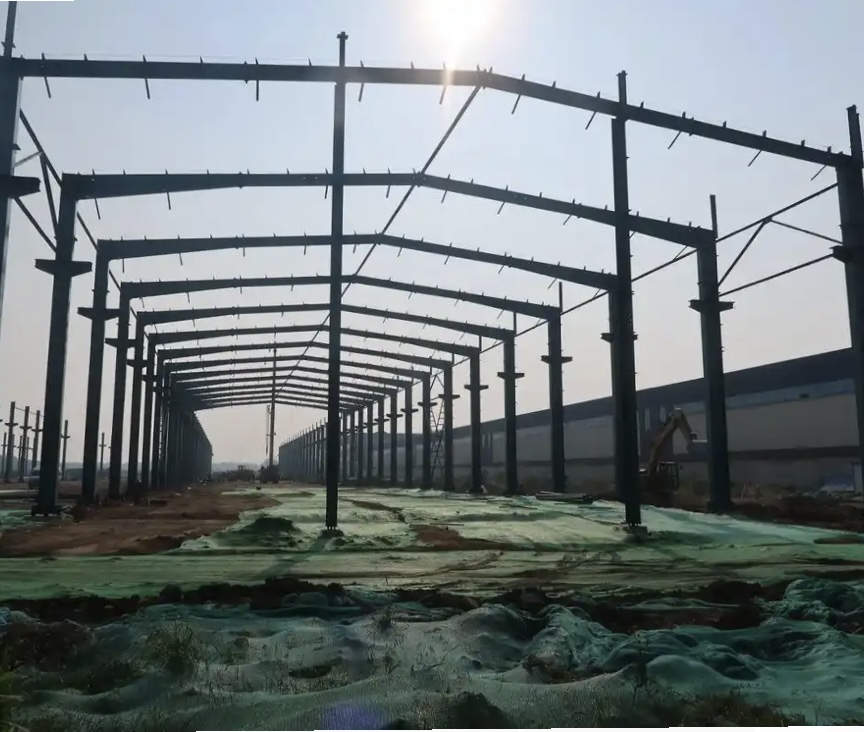
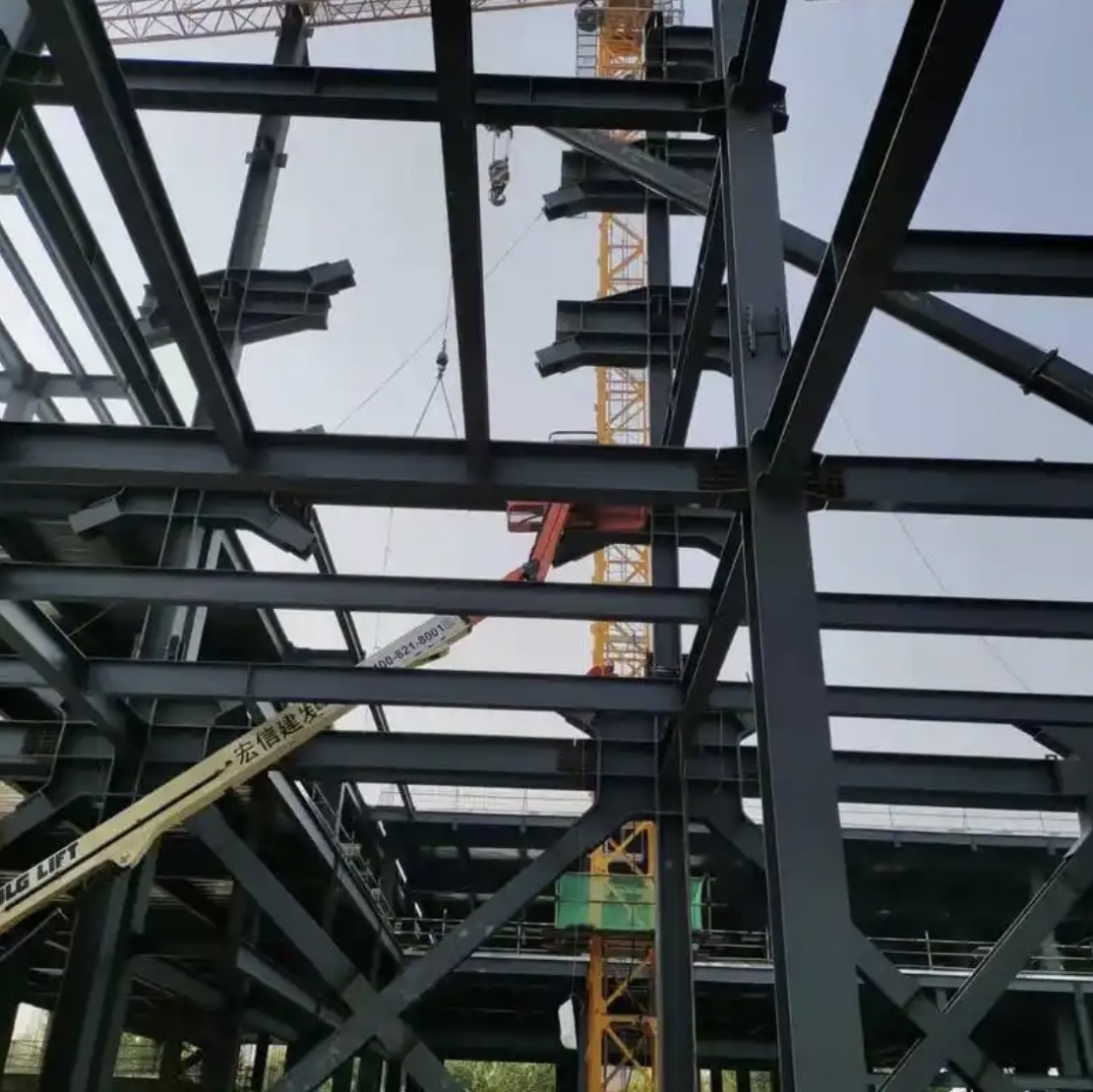
Steel structure workshop roofs feature large spans, and metal substrates are subject to obvious thermal expansion and contraction, which places high requirements on the waterproofing system construction process. TPO waterproof membrane has become a mainstream waterproof solution for steel structure roofs thanks to outstanding UV resistance and hot air welded overlapping joints. Many leakage issues stem not from poor material quality, but from non standard installation procedures. Below we sort out standard installation steps and critical control points for TPO waterproof membrane applied to steel structure roofs.
Substrate Inspection & Pre treatment
Complete acceptance of the steel structure roof substrate before formal installation. Inspect steel purlins and metal panels; remove sharp burrs, rust bulges, oil stains and standing water. Repair damaged metal panels in advance and grind down all sharp metal edges.
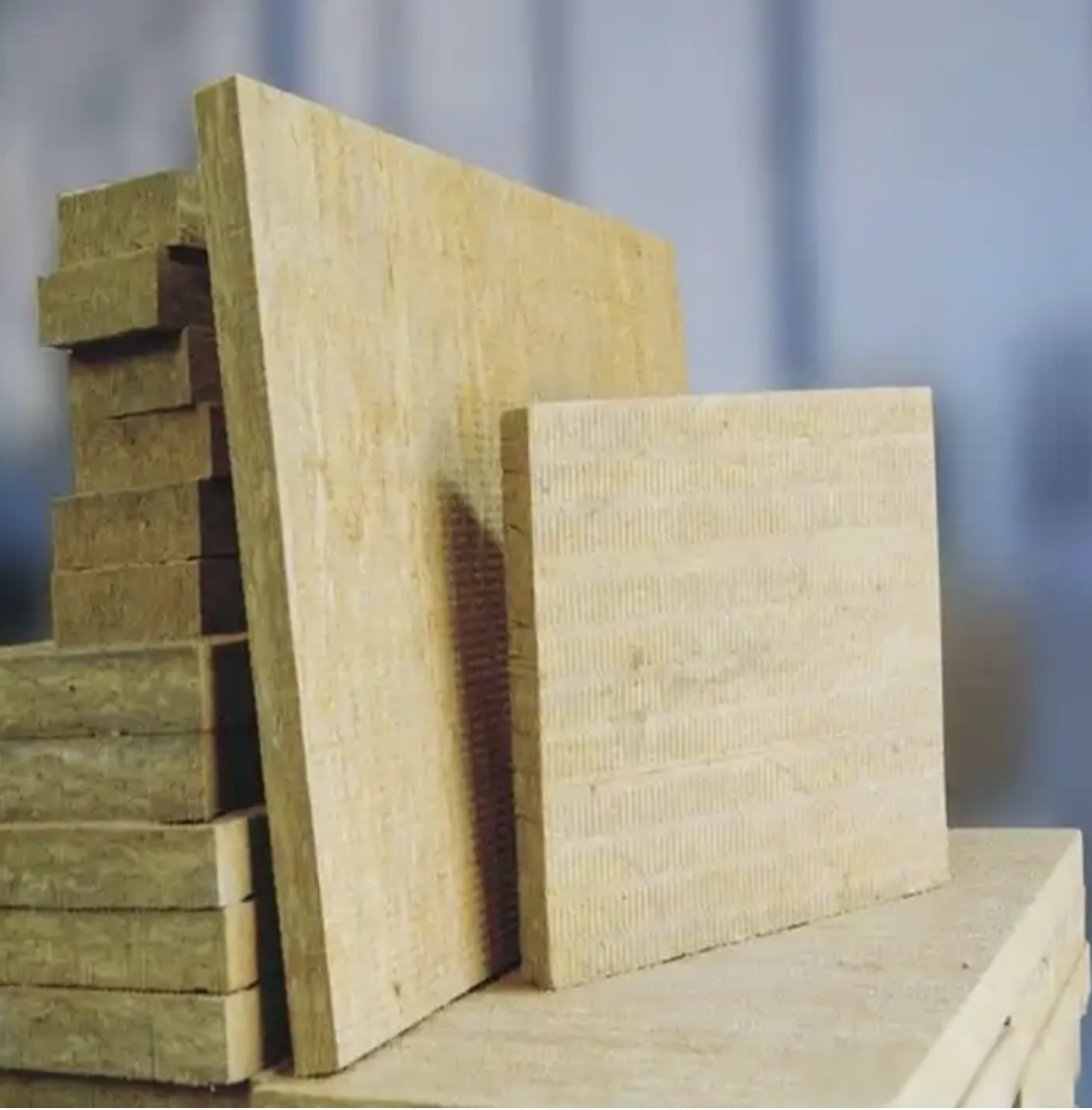
Lay and fasten vapor barrier and thermal insulation layers in accordance with design specifications. Stagger joints of insulation boards to avoid continuous gaps. The substrate must be dry and clean. Do not lay membranes directly onto damp or dusty surfaces, otherwise blistering and delamination may occur later. Verify that wind uplift resistance of fasteners meets local wind load standards; increase fastener density in high wind zones.
Fastener Layout & Mechanical Fixing
Mechanical fastening is the most common method for TPO on steel roofs. Arrange TPO pressure bars and fasteners at designed intervals. Drive fasteners vertically through insulation layers and anchor firmly to the metal substrate.
Do not widen fastener spacing arbitrarily. Roof perimeters, corners and ridges are high risk zones for wind uplift, so reduce fastener spacing for improved wind resistance. Ensure fasteners do not pierce the effective waterproof area of the membrane. Tighten all screws fully to prevent loosening.
TPO Membrane Layout & Pre positioning
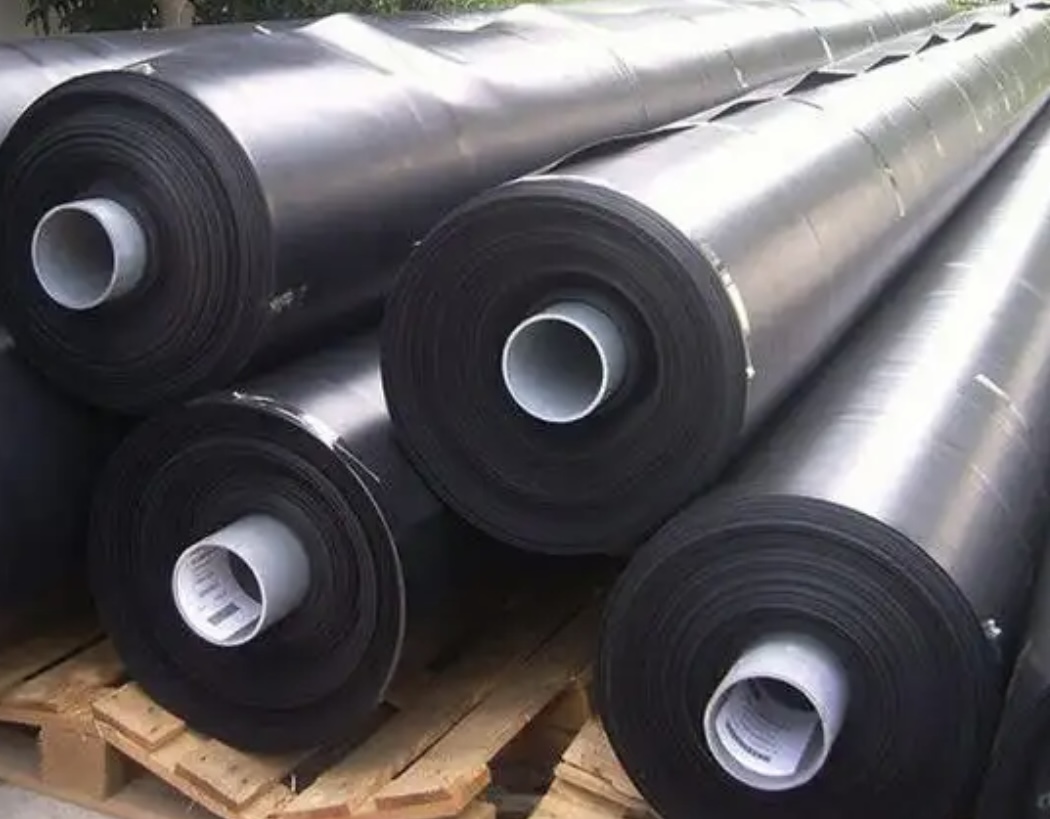
Unroll the TPO waterproof membrane along the roof slope. Lay it in a relaxed state and reserve allowance for thermal expansion and contraction; avoid over stretching.
Follow specified overlap width requirements, normally 100 120 mm. Install reinforcement layers first at ridges, gutters and roof penetrations. Mark welding zones after positioning membranes. Keep overlapping surfaces free of dust and grease.
Hot air Welded Seams (Core Procedure)
Hot air welding is the most critical step for TPO waterproofing. Use an automatic hot air welder for main seams with properly adjusted temperature and travel speed. A uniform squeezed bead of melted material indicates adequate welding.
Use a hand held hot air gun for corners, pipe penetrations and complex details. After seams cool, inspect welds with a flat probe to locate cold welds, missing welds and pinholes. Mark defective areas and perform re welding; never cover defects directly.
Reinforcement for Detailed Joints
Around 80 % of roof leaks occur at details: gutters, ridges, fan bases, skylight transitions and pipe penetrations.
Apply pre fabricated TPO accessories or additional reinforcement membranes to all irregular details. Create rounded transitions at pipe bases to prevent cracking from sharp bends of the membrane. Install metal termination bars with TPO compatible sealants. Ordinary asphalt based sealants shall not be used.
Final Inspection & Water Test
Upon completion of construction, carry out a full site check covering all welds, exposed fasteners and detail joints. Remove welding residues and sharp debris on membrane surfaces.
Perform water spraying or water ponding test where feasible and monitor for 24 hours to confirm no leakage. Keep construction records and photos of key details for future roof maintenance.
Common Installation Mistakes to Avoid
1. Performing welding under low temperature conditions, which causes cold false welds.
2. Over stretching membranes, resulting in bulging caused by thermal expansion in hot seasons.
3. Skipping reinforcement layers at details and directly applying large size field sheets.