
Glass Wool: Advantages of Rock Wool Blanket?
Poor insulation can waste energy, increase noise, and create safety risks, and many projects focus only on thermal performance while overlooking fire safety and long-term durability. Rock wool blanket delivers thermal insulation, fire resistance, sound absorption, and reliable dimensional stability, and this combination of benefits makes it suitable for a wide range of residential, commercial, and industrial building applications. Thermal performance is only one consideration during insulation material selection, as fire exposure risk, moisture conditions, acoustic requirements, installation conditions and long-term stability will all affect the final performance of a building.
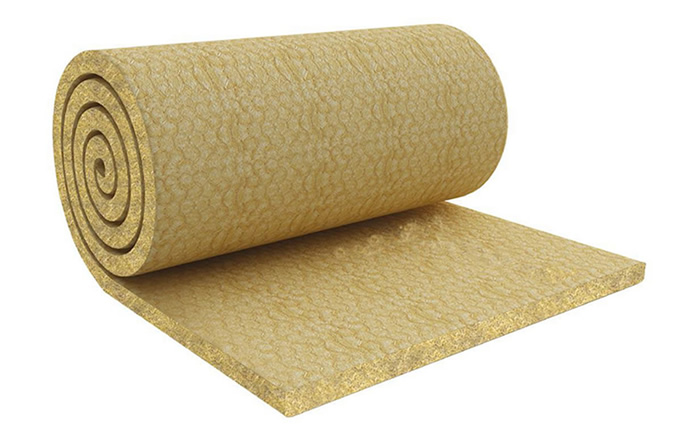
What Are the Main Advantages of Using Rock Wool Blankets for Home Insulation?
Poor home insulation leads to higher heat loss and reduced indoor comfort, and selecting a material solely based on thermal value often ignores fire and acoustic requirements. Rock wool blanket provides thermal insulation together with strong fire resistance, sound absorption and dimensional stability, which makes it a practical option for many residential insulation applications. Thermal insulation remains a core benefit of rock wool blanket; the material reduces heat transfer through walls, roofs, ceilings and other parts of the building envelope, and proper selection of thickness and density helps the insulation meet thermal requirements for specific projects.
Fire resistance represents another key advantage. Rock wool is manufactured from mineral raw materials and features outstanding high-temperature resistance. Rock wool states that stone wool fibers can withstand temperatures above 1,000°C without melting, and this property makes mineral wool suitable for projects where fire safety is a core design requirement. The material also adds value for residential buildings in terms of acoustic performance: its dense fiber structure absorbs sound and reduces noise transmission across walls and partitions to improve comfort in bedrooms, apartments, offices and other occupied spaces.
Moisture conditions must be considered during material selection, though rock wool blanket cannot replace proper waterproofing, ventilation or moisture control systems. The surrounding building assembly still needs protection from excessive water exposure and condensation. For residential projects, the most suitable product should be selected by evaluating thermal requirements, fire protection needs, acoustic targets, thickness, density and installation conditions to maintain stable performance across the full service life of the insulation.
How Do Rock Wool Blankets Compare With Fiberglass Insulation in Terms of Benefits?
Both rock wool and fiberglass deliver effective thermal insulation, yet they differ in material structure and performance characteristics, especially in projects prioritizing fire resistance and high-temperature stability. Rock wool is produced from mineral sources such as natural rock while fiberglass is made from glass fibers, and both fall under the broader category of mineral fiber insulation materials.
| Comparison Item | Rock Wool Blanket | Fiberglass Insulation |
|---|---|---|
| Thermal insulation | Good thermal resistance | Good thermal resistance |
| Fire resistance | Strong high-temperature resistance | Fire performance varies by product |
| High-temperature stability | Strong | Depends on product construction |
| Sound absorption | Good acoustic absorption | Good acoustic performance |
| Dimensional stability | Generally strong with proper selection | Depends on density and installation |
| Moisture control | Requires proper moisture management | Requires proper moisture management |
| Main selection factors | Fire, thermal, acoustic and durability needs | Thermal performance, application and cost |
This comparison does not indicate that one material is universally superior to the other, and the correct selection depends on building design and project requirements. Special attention should be paid to fire performance: a product labeled fire-resistant does not automatically grant a specific fire-resistance rating to the entire building assembly, and the performance of walls, roofs, partitions or fire separation systems relies on fully tested complete assemblies.
ASTM C612 covers mineral fiber thermal insulation products and specifies requirements for density, thermal resistance and other characteristics. The standard also clarifies that this specification itself does not set performance requirements for hourly-rated fire systems. For this reason, insulation selection must evaluate the complete building system rather than a single material property, as product density, thickness, facing, installation method and surrounding construction all impact final results. Rock wool blanket is particularly useful when a project needs multiple functions from one insulation material, since thermal insulation, fire protection, acoustic absorption and dimensional stability can all be addressed in a single material selection process.
What Are the Fire Resistance Benefits of Rock Wool Blankets in Building Construction?
Fire safety becomes critical when insulation is installed within walls, roofs, ceilings or fire separation systems, because a material with good thermal insulation alone may fail to meet a building project’s safety requirements. Rock wool blanket uses mineral fibers with strong high-temperature resistance, which helps limit flame spread and preserve insulation integrity under fire exposure.
The mineral composition of rock wool creates major advantages in high-temperature applications. Stone wool fibers can endure extreme heat, and rockwool reports these fibers remain non-combustible at temperatures exceeding 1,000°C. This property matters because insulation forms part of the protective layer within a building assembly, and non-combustible mineral insulation can slow heat and flame propagation through the assembly during a fire. Rock wool also retains its basic shape better under high-temperature conditions than many alternative materials that soften or melt at lower temperatures, reducing the risk of large gaps forming inside the insulation system in fire scenarios.
Even so, the fire performance of the full building system must always be assessed separately. Required fire ratings depend on local building codes, tested assemblies, product specifications, thickness, density and installation details. In practical construction projects, fire resistance is usually evaluated alongside thermal and acoustic performance, as walls or roofs often need to control heat transfer, reduce noise and provide fire protection simultaneously. Properly selected rock wool blanket can satisfy these multiple requirements. The material also needs installation in compliance with manufacturer specifications; incorrect thickness, poor fitting, gaps or unsuitable fixing methods will degrade the expected performance of the insulation system.
How Should I Select a Rock Wool Blanket for a Building Project?
Choosing an unsuitable insulation product may result in poor thermal performance, installation issues or non-compliance with project requirements, so product selection should start from real application scenarios instead of catalog data alone. I normally focus on installation location, required thickness, density, temperature conditions, fire requirements, acoustic targets and moisture environment before making a final selection.
Residential buildings commonly use rock wool blanket for wall and roof insulation, while commercial buildings may need insulation for external walls, partitions, ceilings and fire separation zones. Industrial applications often involve higher operating temperatures and more demanding environmental conditions. Density and thickness must align with design requirements, and a thicker product will not automatically deliver the optimal overall solution if density, installation method or building assembly are incompatible.
Fire requirements also need clear definition. Where a project requires a specific fire-resistance rating for the complete assembly, insulation should be selected as part of the tested system instead of being assessed in isolation. Moisture management represents another critical factor: insulation must be paired with proper waterproofing and ventilation, and building design in humid environments should prevent long-term moisture accumulation.
Discussions on real projects reveal a frequent issue of selecting insulation based only on a single performance metric. A more effective approach reviews the full service environment, and buyers should examine thermal performance, fire resistance, acoustic performance, dimensional stability, moisture conditions and installation requirements prior to purchase. This process reduces risks of replacing unsuitable insulation after installation for project buyers, and matching rock wool blanket to actual application helps maintain stable performance and avoid unnecessary project costs.
Conclusion
Rock wool blanket combines thermal insulation, fire resistance, acoustic absorption and dimensional stability, which makes it suitable for many demanding building applications.
References
1.ASTM International. ASTM C612-25, Standard Specification for Mineral Fiber Block and Board Thermal Insulation. ASTM International, 2025.
2.ROCKWOOL Group. Passive Fire Protection: Fire Resistance. ROCKWOOL.
3.ROCKWOOL Technical Insulation. Firesafe Insulation. ROCKWOOL.
4.U.S. Environmental Protection Agency. Energy, Weatherization and Indoor Air Quality. EPA.
5.U.S. Environmental Protection Agency. Biological Contaminants and Indoor Air Quality. EPA.