Reinforced TPO Waterproofing Membrane Selection Guide: Polyester Reinforcement, High Tensile Strength and Specification Recommendation
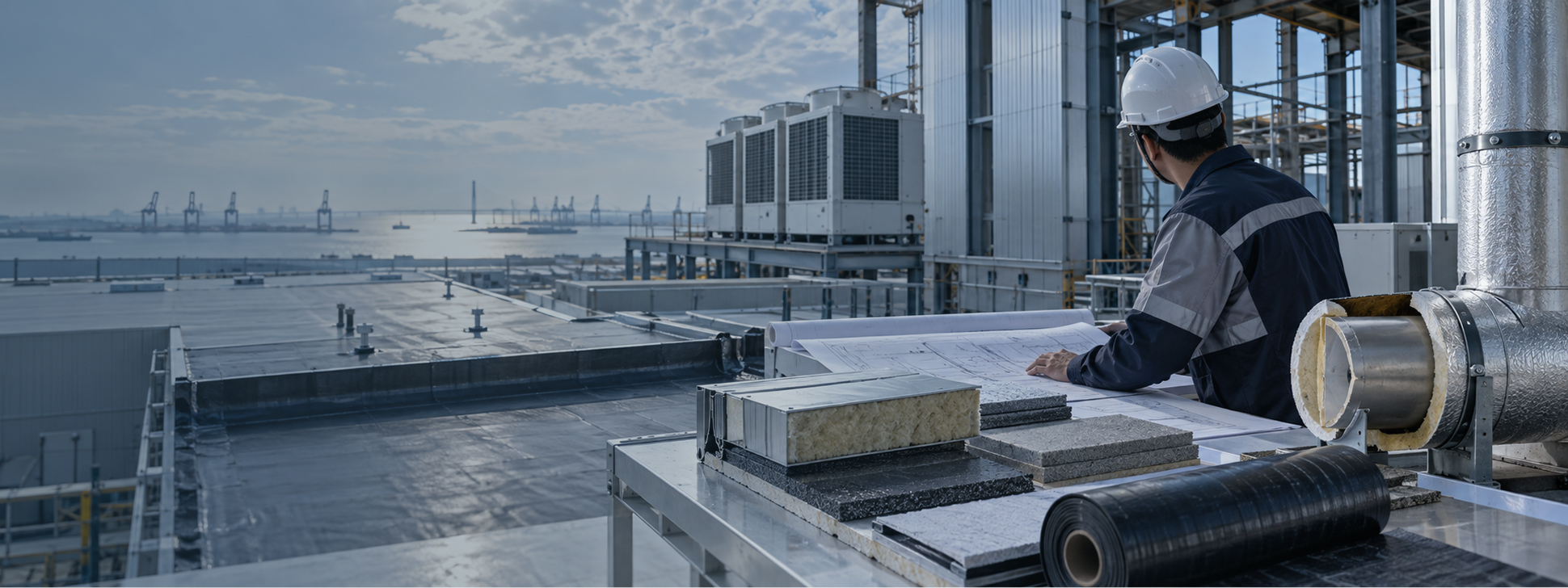
Large-span steel roofs, high-wind-pressure factories, aged roof retrofits and PV-mounted rooftops often face severe substrate deformation, frequent vibration and extreme outdoor stress. Ordinary waterproof membranes easily tear, deform and leak due to insufficient tensile strength, poor tear resistance and low structural adaptability.
Reinforced TPO waterproof membranes solve these pain points perfectly. Built with an embedded polyester fiber reinforcement layer, reinforced TPO delivers exceptional tensile strength, superior dimensional stability, outstanding tear resistance and strong deformation adaptability. It is the ideal high-strength waterproofing material for modern single-ply roofing systems, especially engineered for harsh rooftop conditions with high wind pressure, continuous vibration and large structural displacement.
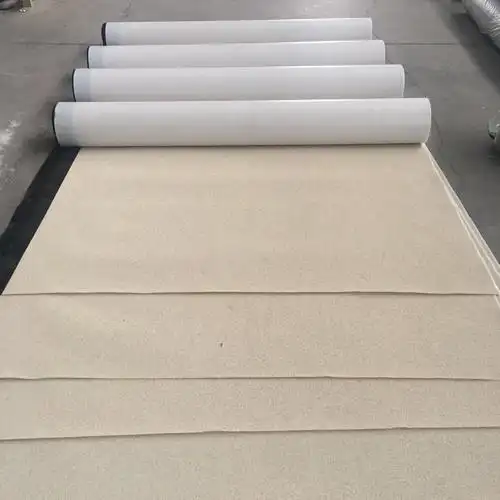
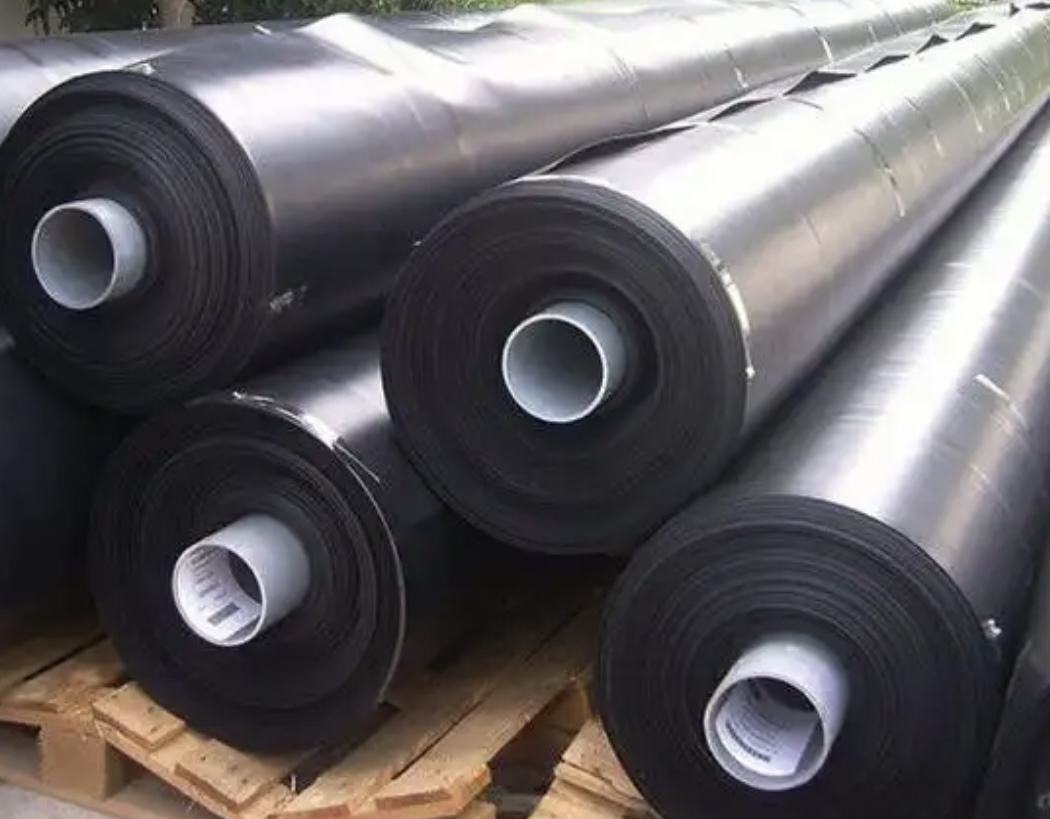
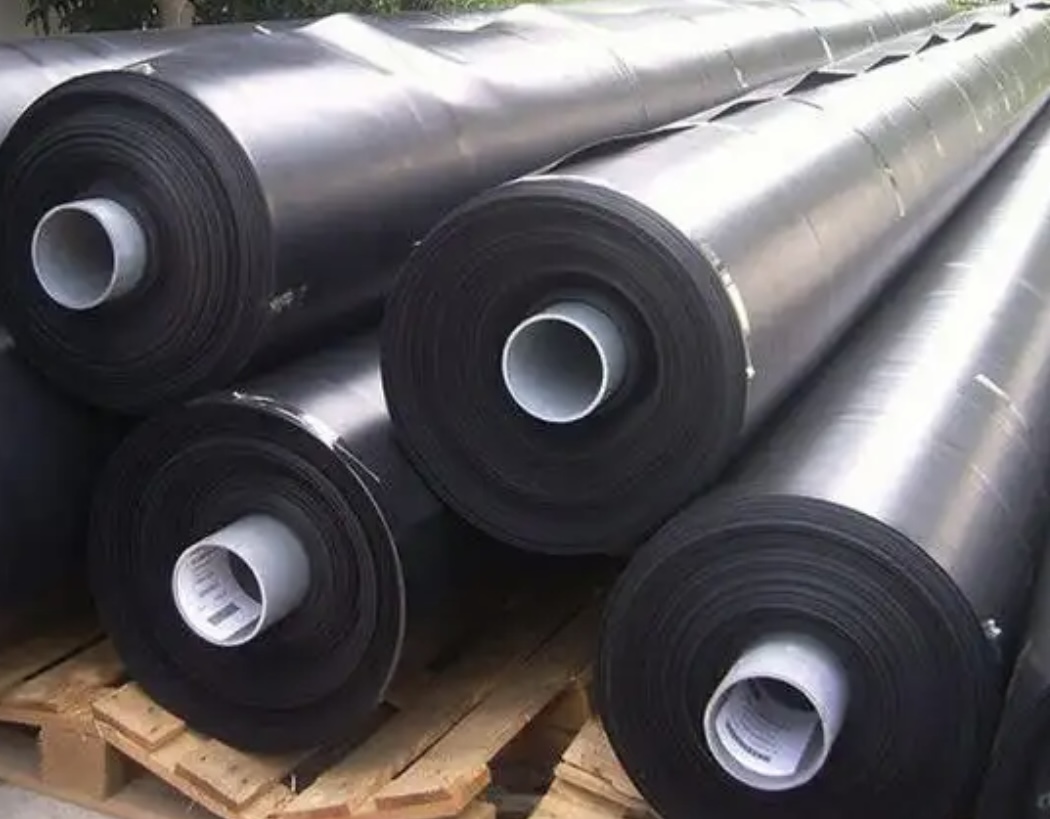
Reinforced TPO is a composite thermoplastic polyolefin membrane, consisting of dual-layer TPO polymer coating and a middle polyester grid reinforcement substrate. The high-strength fiber core effectively restricts excessive stretching and dimensional deviation commonly found in homogeneous TPO under extreme tension, strong wind load and substrate deformation. Fully compliant with national waterproof engineering standards, it is widely specified for high-standard industrial, municipal and public building waterproofing projects.
1. Core Performance Advantages
Polyester Reinforced Core Ultra-High Tensile & Tear Resistance
The biggest highlight of reinforced TPO is its built-in high-density polyester fiber grid, which drastically upgrades overall structural rigidity and mechanical strength. Its tensile, tear and puncture resistance far outperforms standard homogeneous TPO membranes.
It remains stable without stretching or tearing under strong wind pressure, equipment vibration, frequent maintenance foot traffic and uneven substrate deformation. Effectively resisting long-term rooftop structural fatigue, it perfectly fits high-load, large-span industrial roofs that demand superior mechanical performance.
Excellent Dimensional Stability Anti-Expansion & Anti-Deformation
The internal polyester reinforcement layer provides powerful dimensional restraint, greatly limiting the thermal expansion and contraction of TPO polymer materials. It significantly reduces common risks such as high-temperature shrinkage and low-temperature cracking.
Under long-term outdoor exposure and alternating seasonal temperature differences, the membrane avoids arching, edge warping and tensile displacement. It effectively solves the chronic problems of weld cracking and water leakage caused by long-term dimensional deformation of traditional roofing membranes.
Seamless Hot-Air Welding Integrated Watertight System
Inheriting premium thermoplastic fusion properties, reinforced TPO adopts professional hot-air welding technology to form monolithic integrated joints. The welded seams are stronger than the membrane itself, completely eliminating aging, peeling and leakage risks of traditional glue-bonded waterproof systems.
Single-layer installation meets high-standard waterproof sealing requirements. Featuring simple construction and excellent overall integrity, it delivers reliable long-term waterproof performance for all kinds of exposed roofing projects.
Superior Weather & Aging Resistance 20+ Year Service Life
The outer TPO polymer layer offers excellent UV resistance, anti-aging stability and chemical corrosion resistance, preventing chalking, fading and cracking under harsh outdoor conditions. Combined with the stable internal polyester reinforcement, the entire roofing system achieves outstanding weather resistance and structural durability.
With standard professional installation, exposed reinforced TPO roofing systems can last more than 20 years, minimizing long-term maintenance, repair and roof replacement costs.
2. Material Comparison Reinforced TPO VS Homogeneous TPO & Traditional Membranes
VS Homogeneous TPO: Homogeneous TPO features a soft pure polymer structure with no delamination risk, suitable for conventional flat roofs with minor deformation. Reinforced TPO adds a high-strength polyester core, providing far stronger tensile performance, tear resistance and dimensional stability. It is the better choice for high-wind-pressure, large-span, high-vibration and frequently maintained rooftops.
VS SBS Bitumen Membrane: Traditional bitumen membranes suffer from low mechanical strength, poor weatherability and require risky open-flame construction. Reinforced TPO needs no fire operation, delivers superior long-term weather resistance and high structural strength, with obvious advantages in construction safety and long-term durability.
VS EPDM Rubber Membrane: EPDM waterproof systems fully depend on adhesive bonding, with joints prone to leakage once adhesive ages and fails. Reinforced TPO forms seamless monolithic structures via hot fusion welding, offering vastly superior system integrity and long-term waterproof reliability.
3. Wide Application Scenarios
High-Wind-Pressure Industrial Roofs: Ideal for coastal factories, open industrial parks, large-span steel structure workshops and logistics warehouse rooftops exposed to strong wind loads.
High-Load Public Building Roofs: Perfect for stadiums, exhibition centers, transportation hubs and commercial complexes with frequent pedestrian maintenance and complex roof load conditions.
Special Functional Roofs: Reliable waterproofing and protection for PV solar roofs, equipment-intensive rooftops and vibration-prone industrial roofs.
Aged Roof Renovation Projects: Suitable for retrofitting old, deformed and uneven roof substrates, adapting to large substrate deformation and stopping recurring leakage issues.
4. Professional Selection & Construction Guidelines
For large-span, high-wind-pressure and vibration-intensive roofs, 1.2–1.5 mm reinforced TPO membranes are highly recommended to ensure maximum structural strength and dimensional stability.
Steel structure roofs adopt mechanical fixation combined with hot-air welding for firm installation and seamless sealing. All vulnerable nodes, including internal and external corners, pipe penetrations, parapet walls and expansion joints, require professional TPO flashing reinforcement for continuous waterproof integrity.
The base surface must be flat and free of sharp protrusions before installation. Strictly control welding temperature and speed to avoid incomplete welding and missing welds, ensuring full waterproof continuity.
5. Foreign Trade Supply Advantages
As a professional direct manufacturer of reinforced TPO waterproof membranes, we maintain sufficient stock of standard specifications. We support custom non-standard sizes, personalized color matching, formula optimization and full OEM processing services.All products comply with international engineering acceptance standards, with complete export qualification documents to ensure smooth global customs clearance. We fully meet bulk procurement and large-scale project supporting demands for global industrial roofing and infrastructure projects.
To conclude, reinforced TPO waterproof membranes integrate polyester-reinforced high strength, excellent deformation resistance, stable dimensional performance and long-term weatherability. They effectively solve tearing, deformation and leakage problems on complex high-load rooftops, becoming a cost-effective, high-reliability waterproof solution for large-span industrial roofs and high-wind-pressure roofing projects.Contact us anytime for bulk quotations, professional project selection guidance and customized roofing waterproofing solutions!