Phenolic Board Selection Guide: Class A Fire Resistance & High-Efficiency Thermal Insulation for Construction Projects
In exterior wall insulation, pipeline thermal insulation, electromechanical ventilation and old building energy retrofitting projects, fire safety and thermal insulation performance define the core quality of insulation materials. As modern building energy-saving and fire protection standards continue to upgrade, conventional insulation products can no longer satisfy comprehensive engineering requirements. Boasting balanced premium performance, phenolic foam boards have become a leading solution for high fire-resistance scenarios. As a new-generation thermosetting rigid foam insulation material, they are widely specified for public buildings, industrial workshops, HVAC pipeline systems and various energy-saving renovation projects.
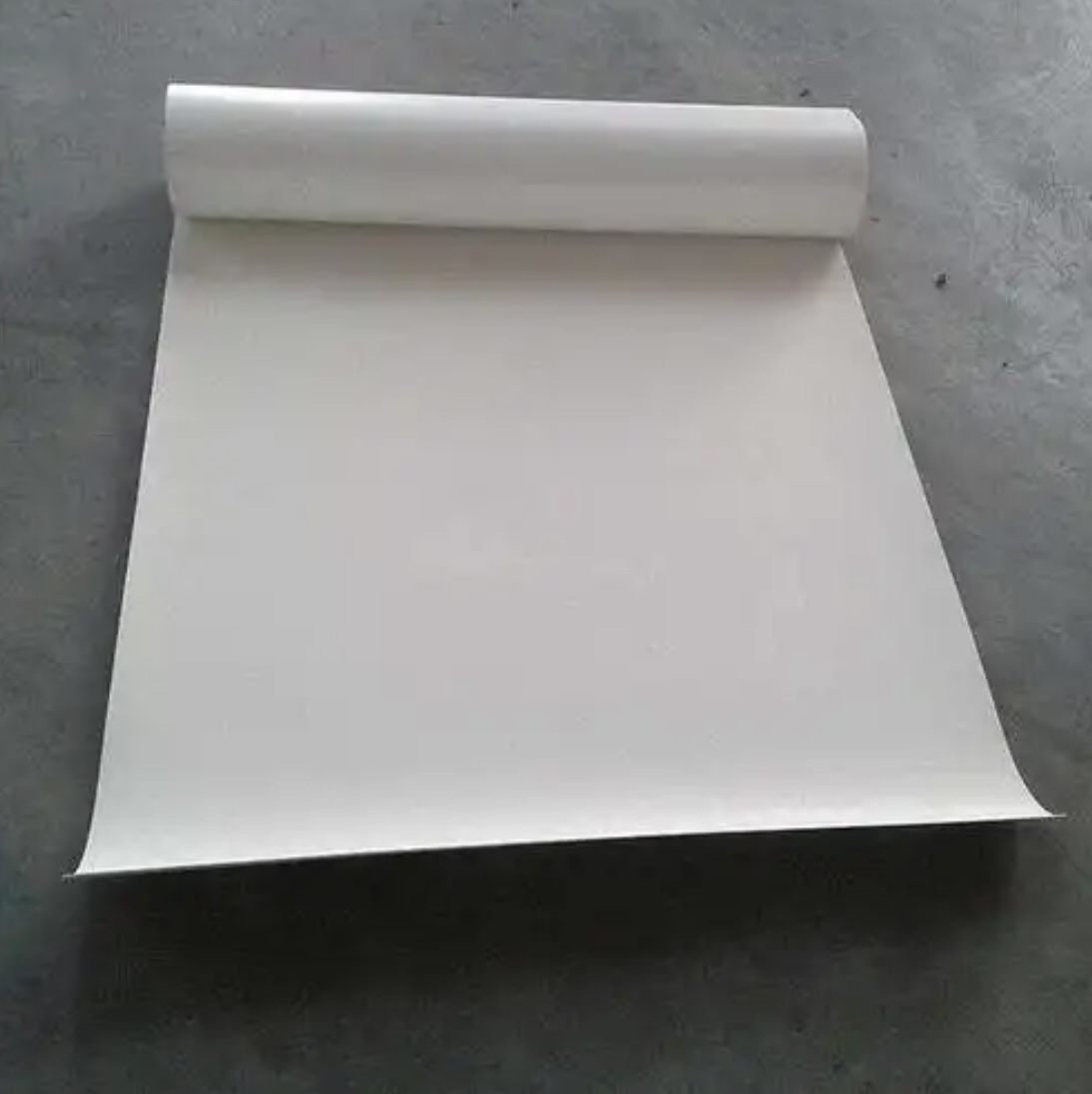
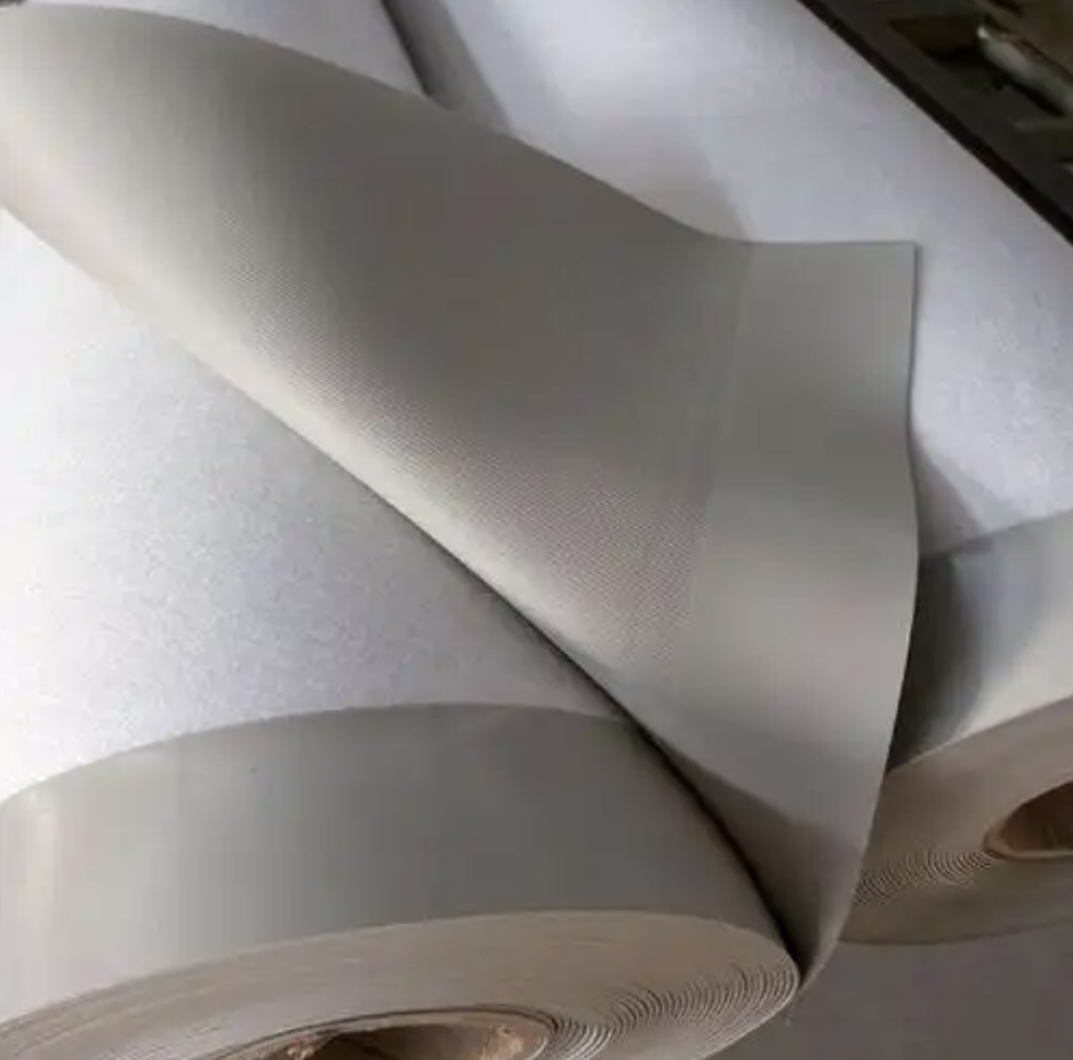
Manufactured primarily from phenolic and formaldehyde through polycondensation, foaming and high-temperature curing, our closed-cell phenolic foam boards fully comply with national and industrial standards, including GB/T 20974-2025, GB 8624-2012 and JG/T 515-2017. Featuring a unique 3D cross-linked network structure that distinguishes it from ordinary organic insulation boards, phenolic foam integrates superior fire resistance, stable thermal performance, high-temperature stability and effective sound absorption, delivering reliable service even in harsh and complex engineering environments.
1. Core Performance Advantages for Full-Scenario Engineering Use
Class A Non-Combustible Industry-Leading Fire Safety
Superior fire resistance is the most distinctive advantage of phenolic boards. Authoritative testing confirms phenolic foam achieves Class A non-combustible rating with an oxygen index exceeding 50%, outperforming the vast majority of mainstream insulation materials in flame retardancy.
As a thermosetting material, phenolic foam only carbonizes gently on the surface under open flame. It will not sustain combustion, produce molten drips or allow rapid fire spread. It generates extremely low smoke and zero toxic fumes during burning, greatly reducing on-site suffocation and poisoning risks. A 100 mm thick phenolic board delivers a fire resistance limit of over 1 hour. For high-rises, schools, hospitals, large commercial complexes and mechanical rooms — all high-standard fire-critical areas — phenolic foam serves as a fully code-compliant safety insulation solution.
Ultra-Low Thermal Conductivity High-Efficiency Energy Savings
With fine, fully closed-cell microstructure, phenolic boards effectively block air convection and heat transfer. It maintains a stable thermal conductivity of 0.022–0.035 W/(m·K), providing consistent thermal insulation for all building and pipeline systems.
To achieve equal insulation results, phenolic boards only require half the thickness of polystyrene boards and one-third the thickness of rock wool boards. Its lightweight structure adds no extra load to building walls, steel frames and pipeline supports, simplifying construction and improving overall structural safety. Fully meeting the national 75% building energy-saving standard, it cuts annual heat loss and supports green, low-carbon building development.
Wide Temperature Adaptability Superior Weather Resistance & Long Lifespan
Phenolic foam boards operate stably across a wide temperature range of -60°C to 150°C. They resist low-temperature cracking in frigid northern climates and avoid softening, deformation or performance failure under high heat and strong sun exposure in southern regions.
Featuring chemically inert properties, the material withstands acid, alkali, mildew and humid corrosion. Under standard construction and normal operating conditions, phenolic insulation systems can last more than 30 years — far longer than most traditional insulation materials — drastically reducing long-term maintenance and replacement costs.
Excellent Waterproof, Moisture-Proof & Sound-Absorbing Performance
The high-density closed-cell structure delivers outstanding waterproof and moisture-resistant capabilities. With ultra-low water absorption, the material blocks vapor penetration completely. It never softens, pulverizes or loses insulation efficiency after moisture exposure, making it ideal for humid basements, pipe shafts and condensation-prone areas.
Meanwhile, its porous internal structure effectively absorbs airborne noise and equipment resonance. Combining thermal insulation and sound attenuation in one material, it is perfect for workshops, mechanical rooms and ventilation duct systems with strict noise control requirements.
2. Phenolic Board VS Traditional Insulation Materials
VS Polyurethane Boards: PU boards offer good thermal performance but only reach B1 flame-retardant grade with limited fire resistance. Phenolic foam delivers equivalent insulation effects while achieving Class A non-combustibility, providing far higher operational safety.
VS Rock Wool Boards: Although rock wool is Class A fireproof, it features higher thermal conductivity, poor moisture resistance and irritating fiber dust during installation. Phenolic boards provide better insulation stability, waterproof performance and cleaner, healthier construction.
VS Polystyrene Boards: EPS/XPS boards are cost-effective but highly flammable, with strict usage restrictions on high-rise buildings. Phenolic foam completely solves fire safety pain points and fits a much wider range of engineering scenarios.
3. Versatile Application Across All Engineering Fields
Exterior Wall Insulation: Ideal for high-rise buildings, residential communities, old building energy retrofits and passive houses, perfectly matching thin-coat exterior wall insulation systems.
Public Buildings: Specified for schools, hospitals, office towers, shopping malls, stadiums and government buildings, fully meeting strict fire acceptance standards for crowded public spaces.
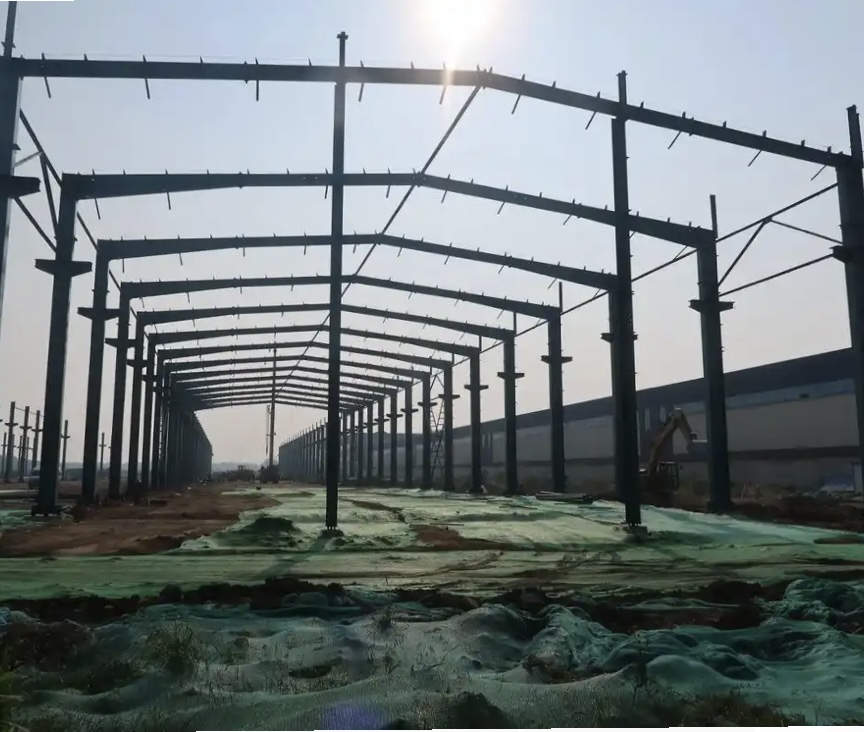
Industrial Projects: Widely used for thermal insulation of steel structure workshops, production plants, cold storage warehouses, chemical workshops and industrial equipment tanks.
HVAC Pipeline Systems: The top choice for insulation and fire protection of central air ducts, hot/cold medium pipelines and smoke exhaust ducts.
Special Environments: Perfect for enclosed, humid and high-fire-risk areas including basements, underground pipe galleries, machine rooms and power distribution rooms.
4. Professional Construction & Selection Guidelines
Phenolic exterior wall boards are installed via bottom-up bonding and anchoring. The bonding area must cover no less than 35% of regular wall surfaces and over 50% for ground floors and lower wall sections. For walls with heavy decorative layers, 4–6 anchor fasteners per square meter are required for reinforcement. A 24-hour curing period is mandatory before plastering and protective layer construction, with the board-wall bonding strength maintained above 0.08 MPa.
Phenolic foam is slightly brittle. Always handle, cut and install gently to avoid impact damage. Apply professional waterproofing and structural treatment for deformation joints, window/door openings and fire isolation zones.
• Verify test reports before purchase to ensure full compliance with GB 8624-2012 Class A non-combustible standard and GB/T 20974-2025, including thermal conductivity, oxygen index and water absorption indicators.
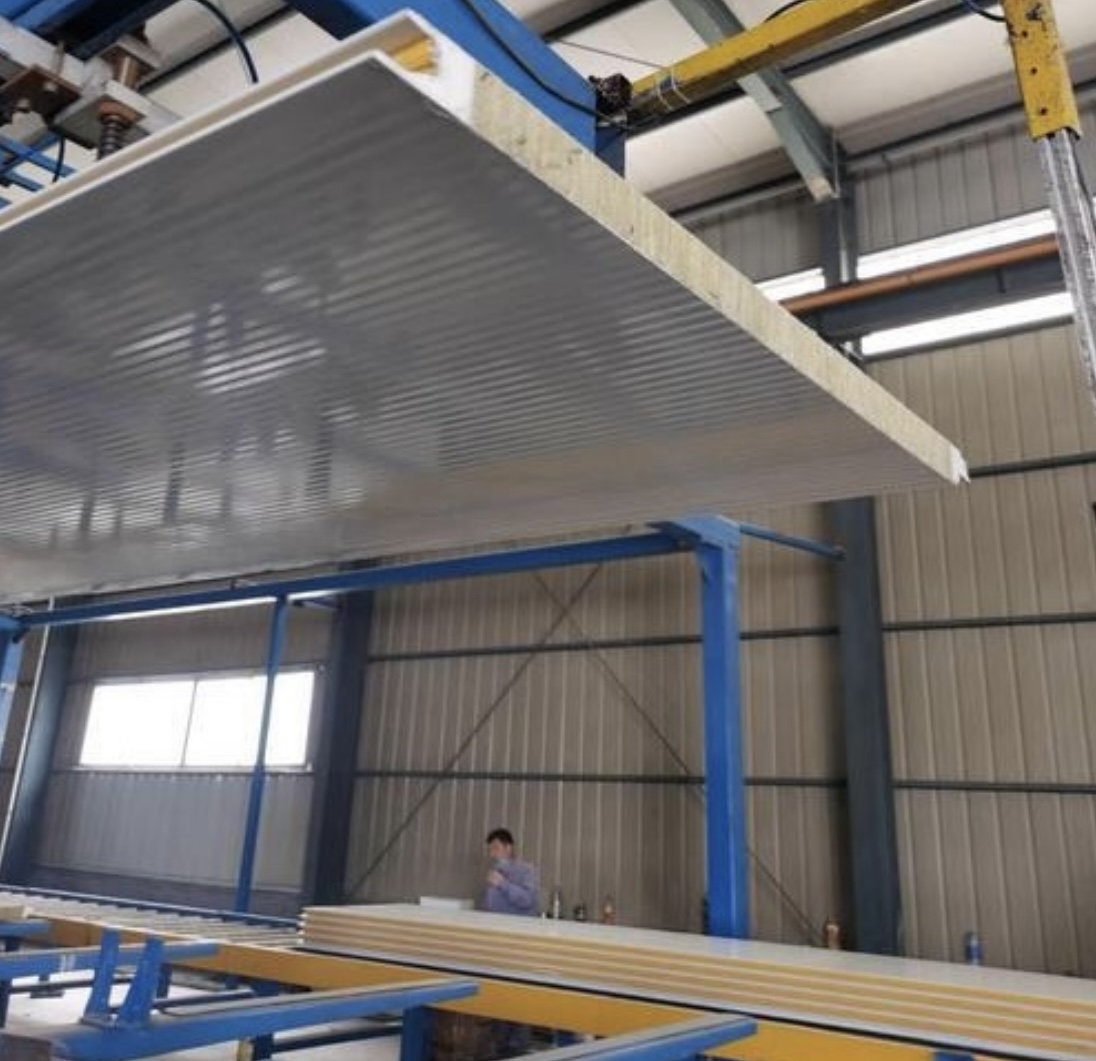
• Choose composite-faced phenolic boards for outdoor exterior walls for enhanced weather resistance; standard bare boards suit indoor insulation and duct projects.
• Select modified moisture-resistant phenolic boards for low-temperature and high-humidity working conditions.
5. Reliable Foreign Trade Supply Advantages
As a professional direct manufacturer, we stock full-spec phenolic foam boards with sufficient inventory. We support custom sizes, personalized composite facings and full OEM services. Complete export qualification documents ensure smooth global customs clearance. We provide tailor-made solutions for diverse on-site working conditions, meeting the varied procurement needs of worldwide clients.
Phenolic foam boards break the long-standing trade-off of traditional insulation materials — either good insulation with poor fire performance or high fire resistance with low energy-saving efficiency. Featuring Class A non-combustibility, ultra-low thermal conductivity, excellent weather resistance and low smoke emission, it delivers outstanding cost performance.
As global green building and fire safety standards continue to upgrade, phenolic foam boards remain the preferred insulation material for new construction and renovation projects. Contact us for bulk procurement, professional project selection guidance and the latest competitive quotations. We deliver customized thermal and fire insulation solutions for your projects.