
Choosing a reliable construction material supplier is an important step in keeping a building or infrastructure project on schedule and within budget. Whether you are sourcing insulation materials, waterproofing membranes, sandwich panels, geomembranes, or steel structure products, the supplier you select will affect product suitability, delivery coordination, and overall procurement efficiency.
A competitive price is only one part of a successful purchase. Buyers also need to check technical specifications, product information, supply capability, packaging, and delivery arrangements. This guide explains how to evaluate a construction material supplier, compare quotations, and reduce common sourcing risks before placing an order.

Understand Your Project's Construction Material Requirements
Before contacting a construction material supplier, define what your project needs. Start with the project type, intended application, required materials, estimated quantities, and delivery location. These details help suppliers recommend suitable products and prepare more accurate quotations.
For example, a roofing project may require waterproofing membranes with specific thicknesses and surface finishes, while an industrial building may need thermal insulation materials with defined dimensions and performance requirements. A steel structure project will require accurate section dimensions, material grades, and drawings.
Review your bill of quantities, technical drawings, and project specifications before requesting prices. If the project follows local building codes or engineering standards, identify the relevant requirements at the beginning of the procurement process. Clear requirements reduce misunderstandings and make supplier quotations easier to compare.
Identify the Right Construction Material Supplier
Not every building construction materials supplier is suitable for every project. Some suppliers focus on a specific product category, while others provide materials across several construction applications. The right choice depends on the technical requirements, purchasing volume, delivery schedule, and level of coordination your project needs.
A specialized supplier may offer more focused product knowledge in a particular material category. A multi-category supplier may simplify purchasing when a project requires several related materials. For buyers sourcing insulation, waterproofing, and building envelope products together, working with a supplier covering these categories may reduce the effort required to coordinate multiple orders.
Jinsimai supplies construction and building materials for applications involving thermal insulation, waterproofing, steel structures, and related building systems. Buyers can review the Jinsimai construction material supply range to identify products relevant to their project requirements.
When evaluating a potential supplier, confirm whether its product range matches your actual requirements. A broad catalog alone does not prove that every product is suitable for your project. Ask for clear product descriptions and technical information before moving to price comparisons.
What Information Should You Confirm Before Purchasing?
Product names are not enough to define construction material requirements. Buyers should provide or confirm the specifications that directly affect product selection, installation, and project performance. The required information varies by material category.
| Material Category | Key Information to Confirm |
|---|---|
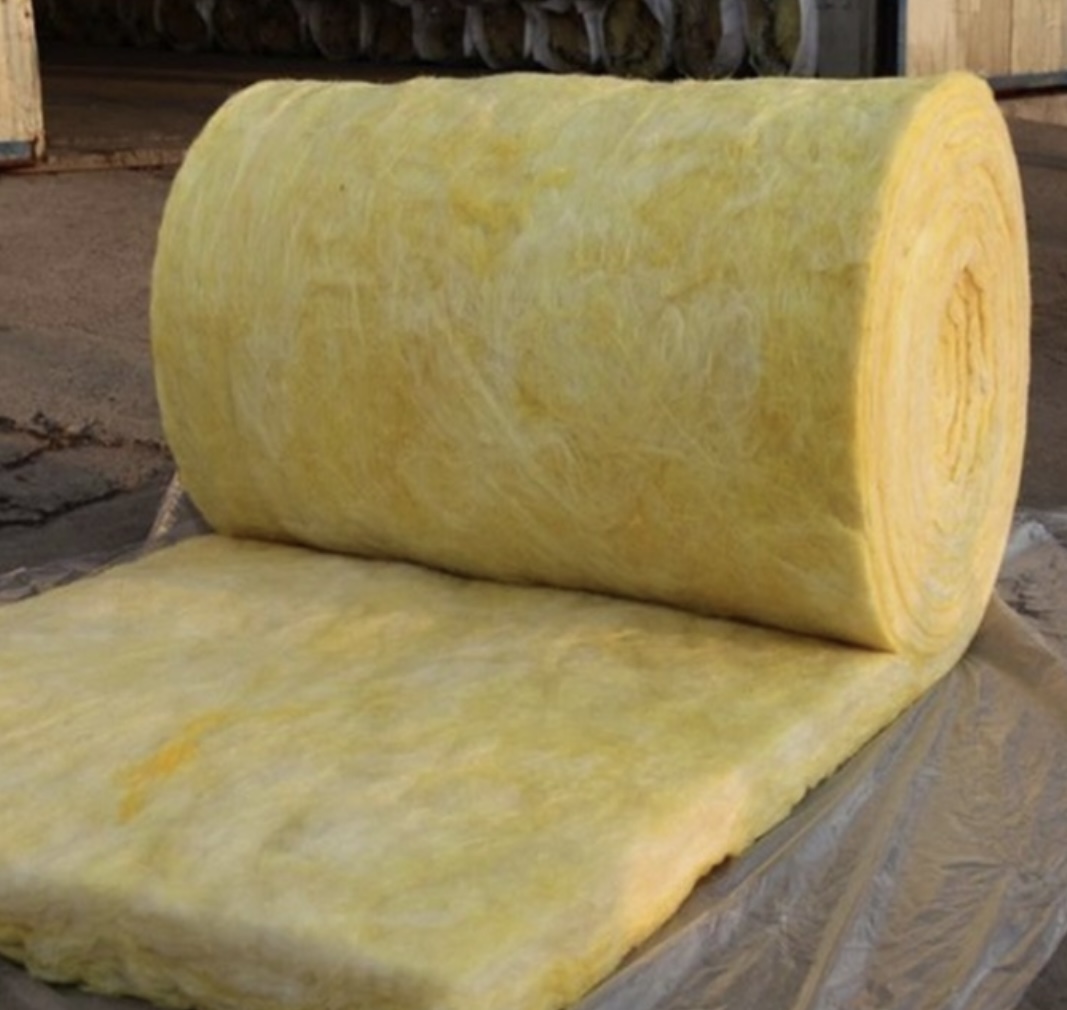
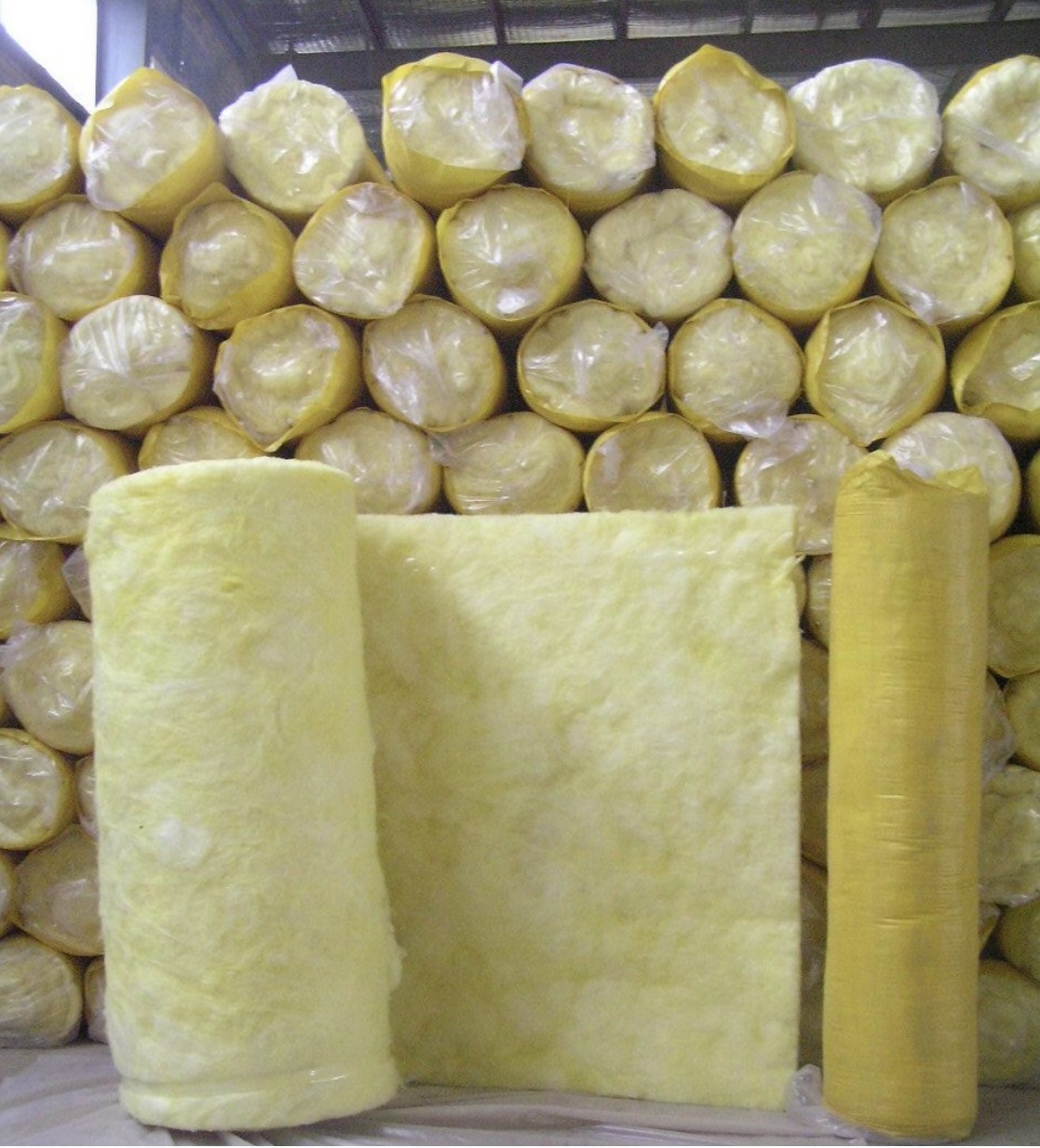
| Rock Wool and Glass Wool | Product form, thickness, density, dimensions, and intended application. |
| Rubber and Plastic Insulation | Product type, pipe diameter or board dimensions, insulation thickness, and relevant fire performance requirements. |
| SBS and TPO Waterproofing Membranes | Membrane type, thickness, roll dimensions, surface finish, and roofing or waterproofing application. |
| HDPE Geomembranes | Material requirements, thickness, roll width, project conditions, and intended containment application. |
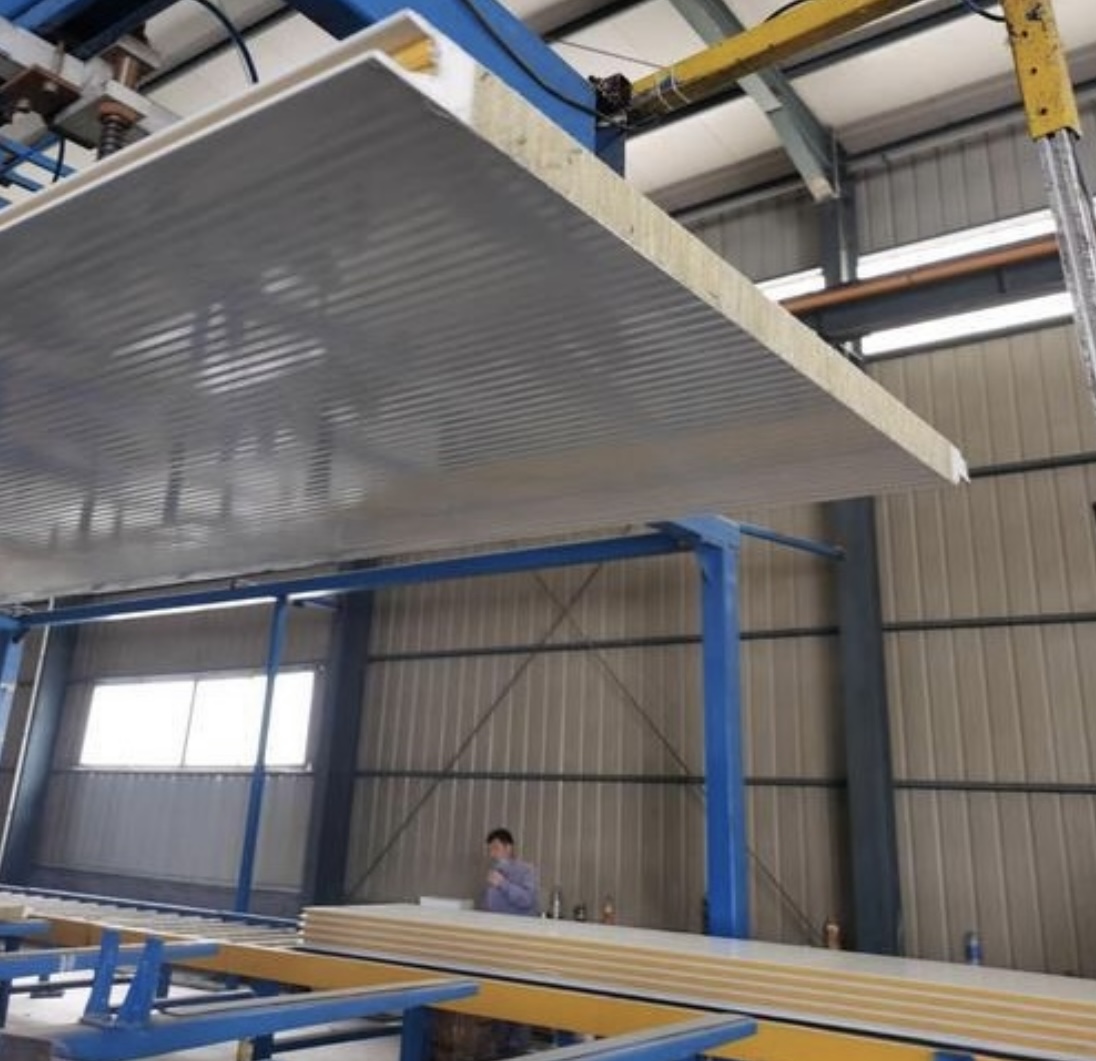
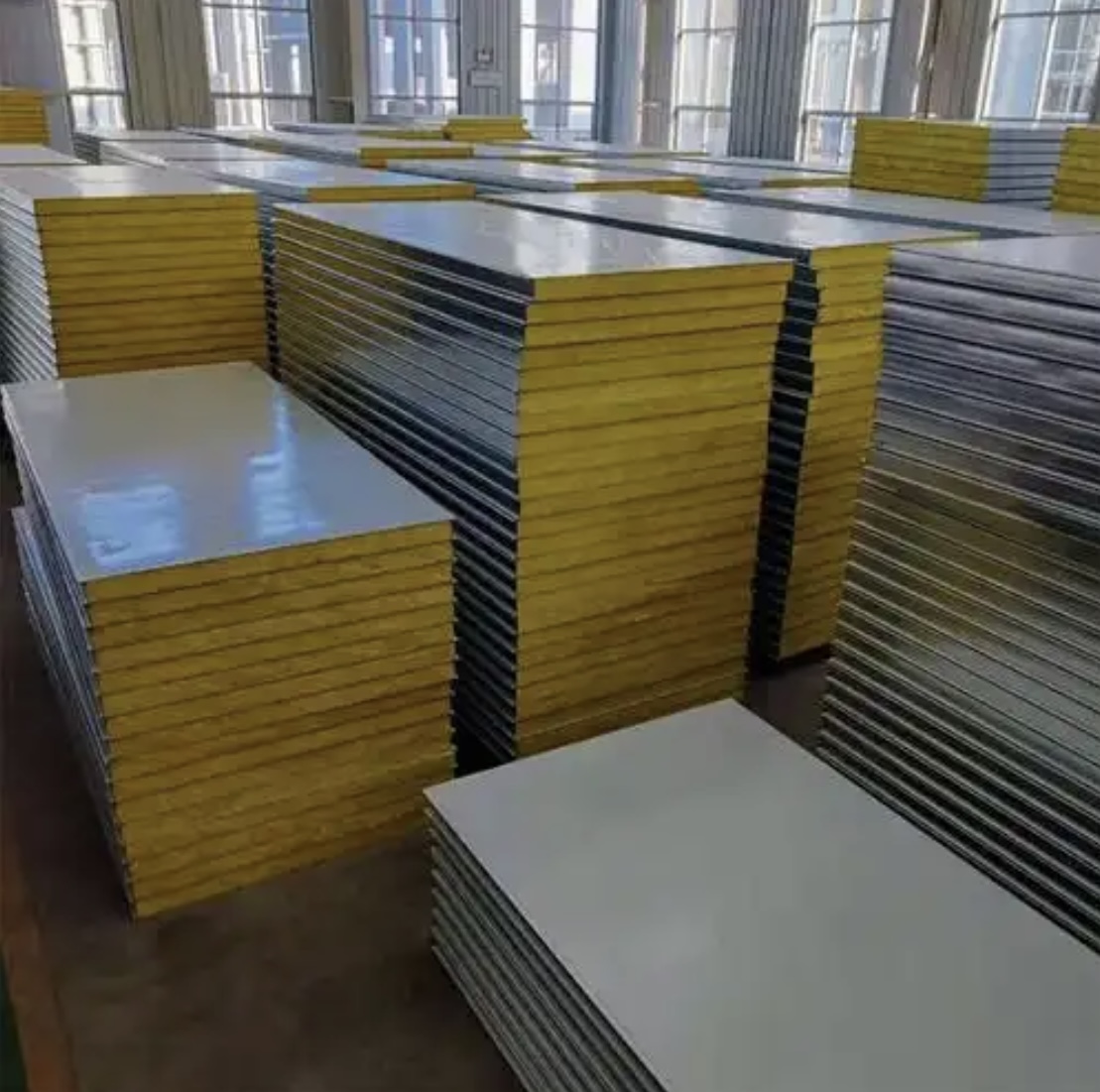
| Sandwich Panels | Core material, panel thickness, dimensions, facing requirements, and installation purpose. |
| Steel Structure Materials | Product type, section dimensions, material grade, required quantities, and relevant drawings. |
These details help prevent a common procurement problem: receiving quotations for products that have similar names but different specifications. If a requirement is unclear, confirm it with the project engineer or purchasing team before approving the product.
How to Evaluate a Construction Material Supplier
A reliable construction materials supplier should be evaluated through several factors rather than price alone. Begin with product suitability. Check whether the supplier understands the intended application and can provide product information that corresponds to the specifications in your project documents.
Next, review supply capability. Confirm whether the supplier can handle the required product categories, quantities, and expected delivery schedule. For large or phased projects, clarify whether deliveries can be coordinated with the construction schedule.
You should also review the available quality information. Depending on the product and project requirements, this may include technical data sheets, product specifications, applicable standards, or other relevant supporting documents. Do not assume that every supplier can provide the same documents. Confirm what is available before placing an order.
The ISO 9001 Auditing Practices Group guidance on external providers offers useful background on evaluating and controlling externally provided products and services. For buyers, this reinforces the importance of checking supplier processes and product conformity rather than relying only on general sales claims.
Finally, evaluate communication. A supplier should respond clearly to questions about specifications, quantities, packaging, and delivery. Clear communication before an order is placed helps reduce the risk of incorrect products, unexpected costs, and schedule changes.
How to Compare Construction Material Supplier Quotations
When comparing quotations from different construction material suppliers, make sure each quotation covers the same product requirements. A lower unit price does not necessarily mean a lower total procurement cost if the specifications, quantities, packaging, or delivery terms are different.
Check the following items in each quotation:
- Product type and technical specifications.
- Quoted quantity and unit of measurement.
- Unit price and total order value.
- Packaging method and export packing requirements.
- Transportation costs and delivery arrangements.
- Incoterms and the named place of delivery.
- Estimated production or dispatch time and expected delivery schedule.
For international purchases, pay particular attention to Incoterms. Confirm which party is responsible for transportation, insurance, export clearance, and other applicable costs under the agreed delivery term. The World Bank's Value for Money procurement guidance provides a useful framework for considering overall value rather than selecting an offer based only on its initial price.
A practical comparison should consider the total cost of obtaining materials that meet the project's requirements. This includes the quoted price, logistics, delivery timing, and the consequences of receiving unsuitable products. Keep the comparison consistent by checking the same specifications and delivery conditions across all supplier offers.
Common Mistakes When Sourcing Construction Materials
Procurement problems frequently begin before an order is placed. Avoiding several common mistakes will make the sourcing process more predictable.
Comparing Prices Without Checking Specifications
Two quotations may list the same product name but refer to different thicknesses, dimensions, grades, or material properties. Compare the technical details first, then evaluate the prices.
Providing Incomplete Project Information
Missing dimensions, quantities, application details, or delivery locations may lead to inaccurate quotations. Provide the information available at the beginning and clarify any outstanding requirements before confirming the order.
Ignoring Packaging and Transportation
Packaging and shipping arrangements affect the delivered cost and condition of construction materials. Buyers should confirm packing methods, loading arrangements, shipping responsibilities, and delivery terms in advance.
Making Changes Too Late
Changes to product specifications, quantities, or delivery requirements after order confirmation may affect production and shipment schedules. Finalize the main requirements with the project team before approving the purchase.
What to Check Before Confirming a Construction Material Order
Before confirming an order, review the final quotation and all agreed purchasing details. The product description, specifications, quantities, unit prices, total value, packaging, delivery terms, and payment conditions should be consistent across the relevant documents.
For products subject to specific building codes or project acceptance requirements, confirm the applicable documentation and evaluation requirements before purchase. The ICC-ES Evaluation Reports Program explains how evaluation reports provide information about whether certain building products comply with applicable codes. Buyers should verify whether a particular report or approval is required for their own project rather than assuming that one document applies to every product or location.
For construction projects, quality assurance also depends on the project specifications, inspection procedures, and material acceptance requirements. The Federal Highway Administration's guidance on construction and materials quality assurance provides background on quality assurance in construction. Its Construction Program Management and Inspection Guide also discusses inspection, documentation, and oversight considerations.
Once the details have been checked, make sure both parties understand the agreed order scope and delivery arrangements. Keeping a clear written record of the final requirements will help the purchasing team, supplier, logistics provider, and project personnel work from the same information.
Conclusion
Choosing a reliable construction material supplier requires more than finding a competitive quotation. Buyers should define project requirements, confirm product specifications, evaluate supplier capability, compare total procurement costs, and review order details before making a decision.
For contractors, distributors, and project purchasing teams sourcing insulation, waterproofing, sandwich panels, geomembranes, and related building materials, Jinsimai provides a range of construction material options for different project applications. Visit Jinsimai to explore the product range and contact the team with your material requirements, specifications, and estimated quantities.
References
- ISO 9001 Auditing Practices Group – Guidance on External Providers.
- World Bank – Procurement Guidance: Value for Money.
- ICC Evaluation Service – Evaluation Reports Program.
- Federal Highway Administration – Construction and Materials Quality Assurance.
- Federal Highway Administration – Construction Program Management and Inspection Guide.