Rubber and Plastic Pipe - B1 Anti-condensation, Waterproof & Soundproof, HVAC Insulation
1. Product Overview
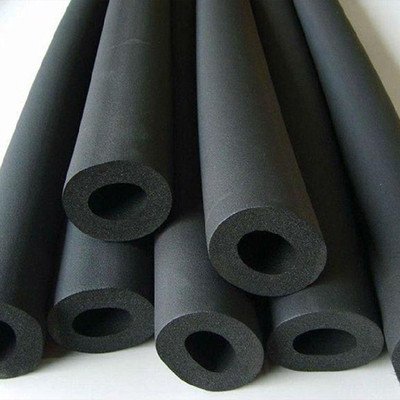
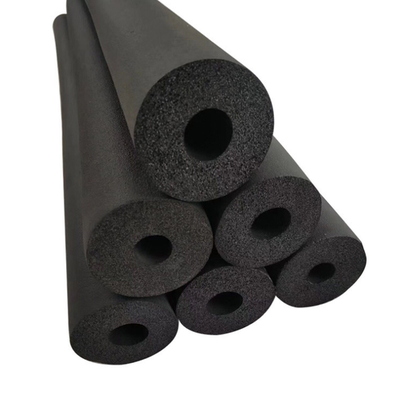
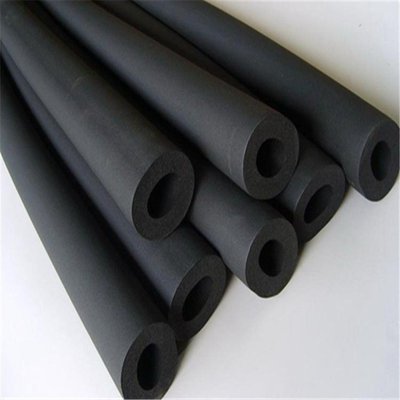
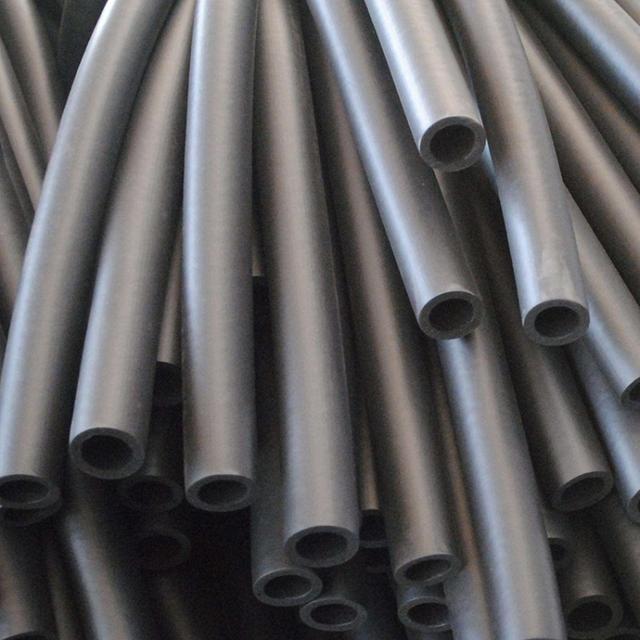
Our rubber and plastic insulation pipe is a high-performance NBR/PVC closed-cell foam insulator specially engineered for circular pipeline systems. Manufactured via precision foaming and vulcanization, it features a one-piece tubular structure for fast slip-on installation and full pipe wrapping. Combining the flexibility of rubber and corrosion resistance of plastic, it effectively resolves common flaws of traditional pipeline insulation, such as loose fitting, surface peeling and thermal bridging, delivering consistent and reliable thermal protection for piping systems.
Built with a dense closed-cell structure, this pipe adopts a fluorine-free, low-VOC and fiber-free formula to support clean, dust-free and safe on-site construction. It excels in anti-condensation thermal insulation, waterproof sealing and noise reduction, with outstanding weather resistance and anti-aging performance. Compliant with RoHS 2.0 and CE (EN 14304) standards and graded B1 low-smoke flame retardant, it is widely applied to HVAC, cold chain, industrial and electromechanical piping systems for global energy-saving engineering projects.
2. Core Product Features
Stable Wide-temperature Operation
Maintains stable physical performance across -40℃ to 105℃, withstanding short-term peak temperatures up to 120℃. The material remains flexible and crack-proof in low-temperature environments to prevent frost damage and condensation formation, while resisting softening and deformation under continuous high heat. It adapts perfectly to HVAC refrigeration, cold chain storage, heating piping and general industrial process pipelines for year-round stable operation.
High-efficiency Closed-cell Thermal & Cold Insulation
The high-density closed-cell structure locks static air steadily to maintain low thermal conductivity, effectively blocking heat and cold cross-transfer. It greatly reduces energy loss of HVAC and refrigeration equipment, stabilizes medium temperature inside pipelines, and eliminates surface condensation, water dripping and pipeline corrosion, providing durable energy-saving benefits for low-carbon building systems.
Elastic Vibration Damping & Sound Insulation
The resilient foam structure absorbs fluid vibration and ambient noise, suppressing pipeline resonance and sound transmission. Achieving over 30% compression resilience in accordance with ASTM D1056 standards, it effectively reduces low-frequency vibration and water flow noise, significantly improving indoor comfort and long-term operational stability of piping systems.
Superior Waterproof & Moistureproof Barrier
With ultra-low volumetric water absorption ≤0.5%, the integrated closed-cell structure forms a reliable barrier against liquid water, water vapor and dust penetration. It protects pipeline outer walls from moisture erosion and corrosive substances, preventing oxidation, rust and mildew growth. It performs stably in humid basements, mechanical rooms, indoor ventilation and outdoor exposed piping environments.
Low-smoke Eco-friendly & Fully Export Compliant
Formulated with fluorine-free and low-VOC raw materials, the product contains no restricted hazardous substances and fully complies with EU RoHS 2.0 regulations. It features low smoke density and low-toxic combustion performance, holding CE certification to EN 14304 standards, fully meeting global green building specifications and overseas market access requirements.
Excellent Weather Resistance & Extended Service Life
Boasts strong UV resistance, oxidation resistance and acid-alkali corrosion resistance, adapting to harsh outdoor environments and frequent temperature cycling. After 500-hour UVA-340 accelerated aging tests per ASTM G154, over 80% of its mechanical properties are retained without cracking or pulverization, supporting a 10–20 year service life under standard operating conditions.
Fiber-free Flexible Structure for Easy Custom Installation
Fiber-free foam material eliminates irritating dust during cutting and fitting, ensuring clean and safe construction. With excellent flexibility and a minimum bending radius equal to 3 times the pipe diameter, it fits tightly around elbows, tees and other irregular pipe fittings. No complex secondary processing is required, greatly improving on-site construction efficiency for both new builds and renovation projects.
3. Technical Specifications
Standard Inner Diameter: 18mm, 22mm, 25mm, 28mm, 32mm, 38mm, 42mm, 48mm, 57mm, 76mm, 89mm, 108mm (custom sizes available)
Standard Wall Thickness: 6mm, 10mm, 15mm, 20mm, 25mm, 30mm (custom thickened options available)
Standard Length: 1000mm, 2000mm
Operating Temperature: -40℃~105℃ (short-term peak up to 120℃)
Thermal Conductivity: ≤0.038 W/(m·K) @ 25℃ mean temperature
Flame Retardant Grade: B1 Difficult-to-ignite (GB/T 8624 compliant, meets ASTM E84 Class 1)
Closed-cell Content: ≥90% (ASTM D2856 / GB/T 10799)
Volumetric Water Absorption: ≤0.5%
Water Vapor Resistance Factor: ≥10000 μ
Compression Set: ≤30% (25% compression for 24h, ASTM D1056)
Material Composition: NBR/PVC blended foam
Certifications: CE (EN 14304), RoHS 2.0, Low VOC, Fluorine-free, Low smoke density
Optional Configurations: Plain finish, aluminum foil facing, self-adhesive backing; standard black color, customizable colors available
Core Advantages: Anti-condensation cold insulation, energy saving, waterproof & moistureproof, vibration & noise reduction, weather durability, fiber-free clean construction, easy installation
4. Material Selection Guide & Application Scenarios
Material Selection Guide
Rubber plastic insulation pipes and mineral wool pipes serve complementary engineering purposes. NBR/PVC foam pipes excel in low-temperature insulation, waterproof moisture resistance, silent performance and flexible wrapping, ideal for HVAC systems, cold chain facilities, humid indoor spaces and noise-sensitive projects. Rock wool and glass wool pipes feature A1 non-combustibility and high-temperature resistance, suitable for steam pipelines above 200℃ and professional fire-stopping applications.Not applicable for pipelines operating above 200℃. Final material selection shall follow actual project temperature, fire rating and moisture resistance requirements.
Main Application Scenarios
HVAC Pipeline Engineering: Perfect for central air conditioning refrigerant and chilled water pipelines. It eliminates condensation, dripping and mildew growth, reduces cooling energy loss and running water noise, adapting to commercial and residential HVAC systems.
Cold Chain & Low-temperature Projects: Ideal for cold storage and low-temperature delivery piping. It maintains stable flexibility at ultra-low temperatures, minimizes cold loss and condensation corrosion, and ensures constant-temperature operation for food and pharmaceutical cold chain systems. For ultra-low temperature cold chain projects, we recommend Polyurethane Rigid Foam Pipe.
Industrial Process Pipelines: Suitable for factory hot water and process piping. It stabilizes pipeline operating temperature, cuts energy consumption, resists ambient humidity and mild chemical corrosion, and delays pipeline aging for long-term industrial operation.
MEP Noise Reduction Engineering: Applied to building water supply, drainage and electromechanical pipelines. It suppresses fluid vibration and indoor background noise, while providing anti-freezing, moistureproof and anti-corrosion protection for indoor piping systems.
Outdoor & High-humidity Pipeline Protection: Aluminum foil faced versions are designed for overhead outdoor, rooftop and humid underground pipelines. The foil layer reflects UV radiation, slows material aging and enhances overall weather resistance, ensuring long-term stable operation of outdoor insulation systems.
5. Installation Guidelines
Construction Overview
Featuring soft texture and high flexibility, these preformed insulation pipes support direct socket installation, full wrapping and on-site custom cutting to fit irregular pipe fittings. Plain pipes can be firmly bonded with dedicated rubber-plastic adhesive, while self-adhesive versions enable fast, tool-free installation. The simplified construction process suits both new projects and large-scale renovation works.
Key Construction Specifications
Surface Treatment: Keep pipeline surfaces dry, dust-free, oil-free and rust-free to ensure tight fitting and firm adhesion, avoiding warping, peeling and insulation failure.
Splicing & Overlapping: Adopt staggered lap joints with tight closure. Seal all gaps with professional matching sealant to prevent cold leakage and vapor penetration, improving overall airtightness and insulation integrity.
Adhesive Requirements: Only use temperature-matched special rubber-plastic adhesive. Solvent-based adhesives such as toluene and acetone are strictly prohibited to prevent foam substrate corrosion and performance damage.
Special Environment Protection: For long-term outdoor exposure, high humidity and extreme temperature scenarios, select aluminum foil faced pipes or add extra waterproof and UV-resistant protective layers to upgrade weather durability.
Precision Cutting: Cut materials with professional tools for smooth, burr-free incisions to ensure tight fitting and neat finished appearance.
Technical Support
We provide official construction PDF manuals, installation tutorials and project acceptance standards to support standardized batch construction for domestic and overseas projects, unify operating procedures and improve project qualification rates.
6. Packaging, Logistics & Purchasing Terms
Packaging: Export-grade packaging with inner moisture-proof bags, carton layers and outer pallet stretch film reinforcement, effectively preventing moisture, extrusion and damage during long-distance sea and land transportation. FCL and LCL shipments are both supported with stable and cost-effective global logistics.
MOQ & Lead Time: Standard in-stock products have an MOQ of 1 pallet, supporting sample orders, bulk project procurement and long-term strategic cooperation. Custom diameters, wall thicknesses, self-adhesive backing, aluminum foil facing and custom colors are available with negotiable MOQ and lead time. Stock orders: 3–5 working days; custom orders: 15–20 working days (adjustable by order quantity).
Supporting Documents: Factory inspection reports, environmental certificates, flame retardant test reports and EN 14304 compliance documents are provided for customs clearance and project acceptance.
Warranty: 5–10 year quality warranty under professional installation and standard working conditions (varies by application environment), guaranteeing stable insulation, waterproof, vibration-damping and flame-retardant performance and reducing long-term maintenance costs.
7. FAQ
Q1: What is the difference between rubber plastic pipe and rock wool pipe?
A1: The two materials are application-complementary. NBR/PVC foam pipe is a flexible closed-cell material featured with low-temperature insulation, waterproof moisture resistance and silent performance, suitable for HVAC, cold chain and humid indoor environments. Rock wool pipe delivers A1-class fire resistance and high-temperature insulation for pipelines above 200℃ and fire-stopping scenarios. Material selection depends on project temperature, fire and moisture resistance requirements.
Q2: Will rubber plastic pipes absorb moisture, get moldy or degrade over time?
A2: The high-density closed-cell structure achieves ultra-low water absorption, keeping the material stable and mildew-proof under conventional indoor and ventilated humid conditions. Additional external waterproof protection is required for long-term water immersion scenarios.
Q3: Is it suitable for central air conditioning and cold chain low-temperature insulation?
A3: Yes. It maintains stable flexibility at -40℃ without embrittlement or deformation. Its consistent low thermal conductivity effectively eliminates pipeline condensation and cold loss, making it an ideal solution for central air conditioning and cold chain insulation projects.
Q4: Is the product compliant for global export?
A4: Yes. The low-smoke eco-friendly formula passes RoHS 2.0 and CE (EN 14304) certification, meeting market access standards for Europe, America, Southeast Asia, the Middle East and other global regions. Complete test documents are available for customs clearance and project inspection.
Q5: Can you provide custom sizes and special surface finishes?
A5: Full customization is supported, including non-standard inner diameters, wall thicknesses, lengths, aluminum foil UV-resistant facing and self-adhesive backing, to meet the demands of high-end engineering, export orders and special working conditions.
Q6: Are rubber plastic pipe, foam pipe and NBR/PVC insulation pipe the same product?
A6: All refer to the same NBR/PVC foamed insulation product with different industry aliases. Our product adopts high-density closed-cell foaming technology, featuring higher compressive strength, better resilience and lower moisture permeability than ordinary foam pipes, serving as premium engineering-grade material for medium and large-scale long-term pipeline projects.
8. Product Summary
NBR/PVC closed-cell foam insulation pipe is a professional elastic thermal insulation solution dedicated to circular pipeline systems. It overcomes the inherent defects of traditional insulation materials, including high water absorption, poor sound insulation, low-temperature brittleness and poor fitting performance. Integrating anti-condensation insulation, energy saving, waterproof sealing, vibration damping, low-smoke flame retardancy and superior weather resistance, it adapts to HVAC, cold chain, industrial, electromechanical and outdoor pipeline systems. With full export compliance, flexible customization and high cost performance, it is a reliable premium polymer insulation choice for global pipeline energy-saving protection and renovation projects.
