
May Building Materials Industry Prosperity Rises Month-on-Month, Demand for Fireproof Thermal Insulation Segments Expands Steadily
Data on the building materials sector for May 2026, jointly released by SASAC and China Building Materials Federation, shows the industry prosperity index hit 100.8. This marked a month-on-month rise of 2.3 points, pulling the whole sector back into expansion territory. New national standards for building fire safety and full rollout of the 2025 edition Code for the Building Thermal Insulation Materials have lifted steady demand for thermal insulation and mineral fiber products. As a core Class A1 non-combustible thermal insulation material, rock wool has seen climbing market demand and strong growth momentum in its specialized segment.
1. Industry Supply & Demand: Recovering Production and Gradually Improving Market Demand
The 100-point line acts as the critical threshold for the prosperity index. May saw simultaneous recovery on both supply and demand sides of building materials. The production index stood at 101.0, up 2.6 month-on-month and returning production to expansion zone. The price index edged down 0.3 month-on-month to 99.8, keeping overall sector prices at a low level. Figures from the National Bureau of Statistics point to steady industrial output recovery in May. The year-on-year drop in cement output kept narrowing, which signals slow recovery in downstream construction demand. Meanwhile, the building materials investment demand index reached 101.9, reflecting clear improvement in project construction demand. Easing downward pressure on industrial consumption jointly warmed up the domestic building materials market.
2. Product Prices: Obvious Sector Differentiation, Upward Price Trend for Thermal Insulation Fiber Products
Price gaps between different building material categories widened in May, with the overall building materials price index slipping 0.2% month-on-month. Traditional goods including cement and flat glass posted falling prices, while wall materials, waterproof products and mineral fiber composites recorded month-on-month price gains. Factory gate prices for building materials fell 5.9% year-on-year from January to April, with cement down 17.2% and flat glass down 15.1% year-on-year respectively. Backed by rigid policy-driven demand, rock wool and other mineral fiber fireproof insulation materials maintained stable prices and stronger ability to resist market price swings.
3. Operating Performance: Whole Sector Faces Pressure, Thermal Insulation Materials Become High-Growth Bright Spot
Large-scale domestic building material enterprises faced obvious operational headwinds from January to April. Operating revenue dropped 14.6% year-on-year, and total profit tumbled 74.5% year-on-year. Yet performances varied sharply across sub-sectors. Six niche categories led by thermal insulation and mineral fiber products achieved positive year-on-year revenue growth, standing out amid the overall industry downturn. Glass fiber and special construction machinery manufacturing also booked profit growth year-on-year. Q1 2026 financial data of listed building material firms further proved this divergence. While overall sector revenue edged slightly lower, net profits turned positive year-on-year, with consumer building materials, glass fiber and fireproof thermal insulation materials acting as major profit contributors.
4. Industry Outlook & Corporate Updates
Full industry data shows building materials are still going through a bottoming phase, with current prosperity weaker than the same period last year. Even so, mandatory building fire codes and nationwide promotion of ultra-low energy green buildings will phase out low-grade flammable thermal insulation products. This will keep expanding rigid demand for Class A1 non-combustible insulation materials and sustain sound long-term fundamentals for the rock wool market.
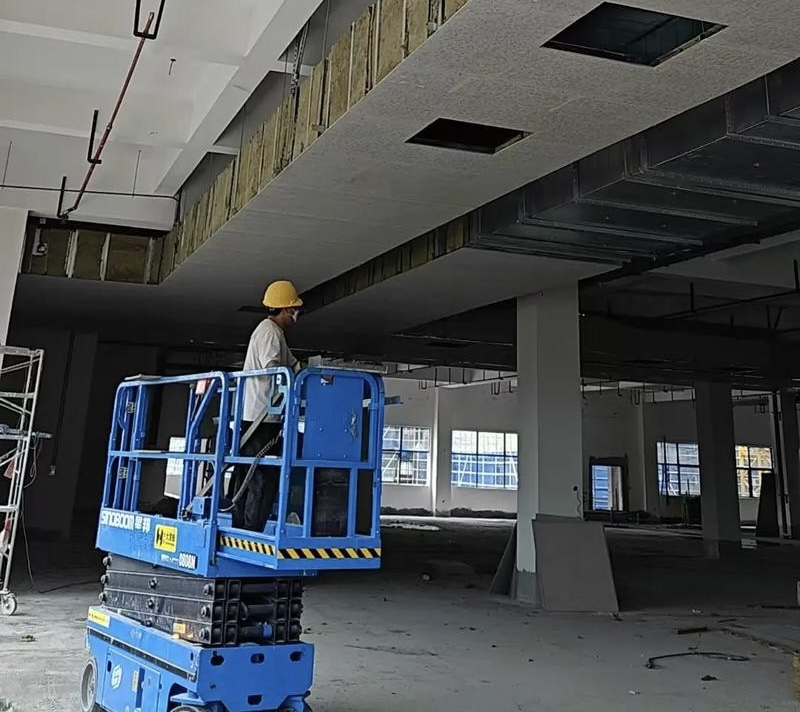
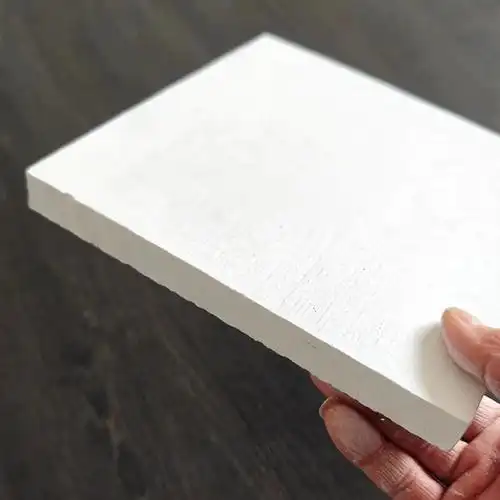
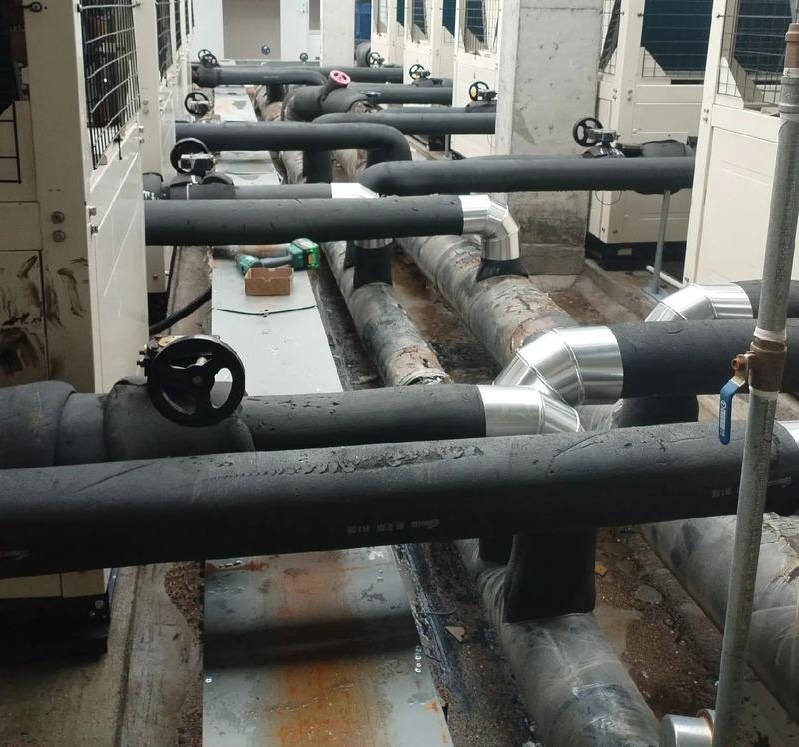
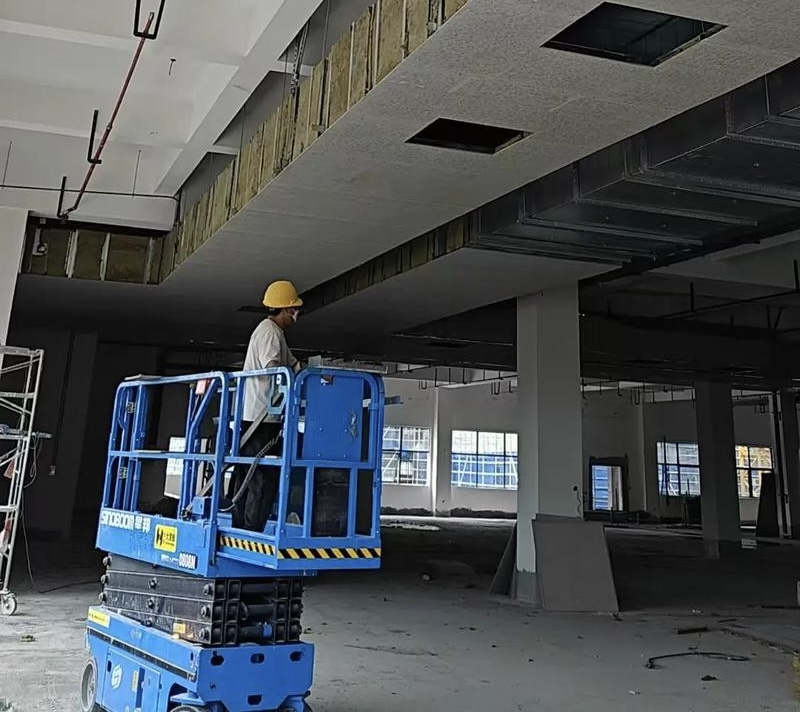
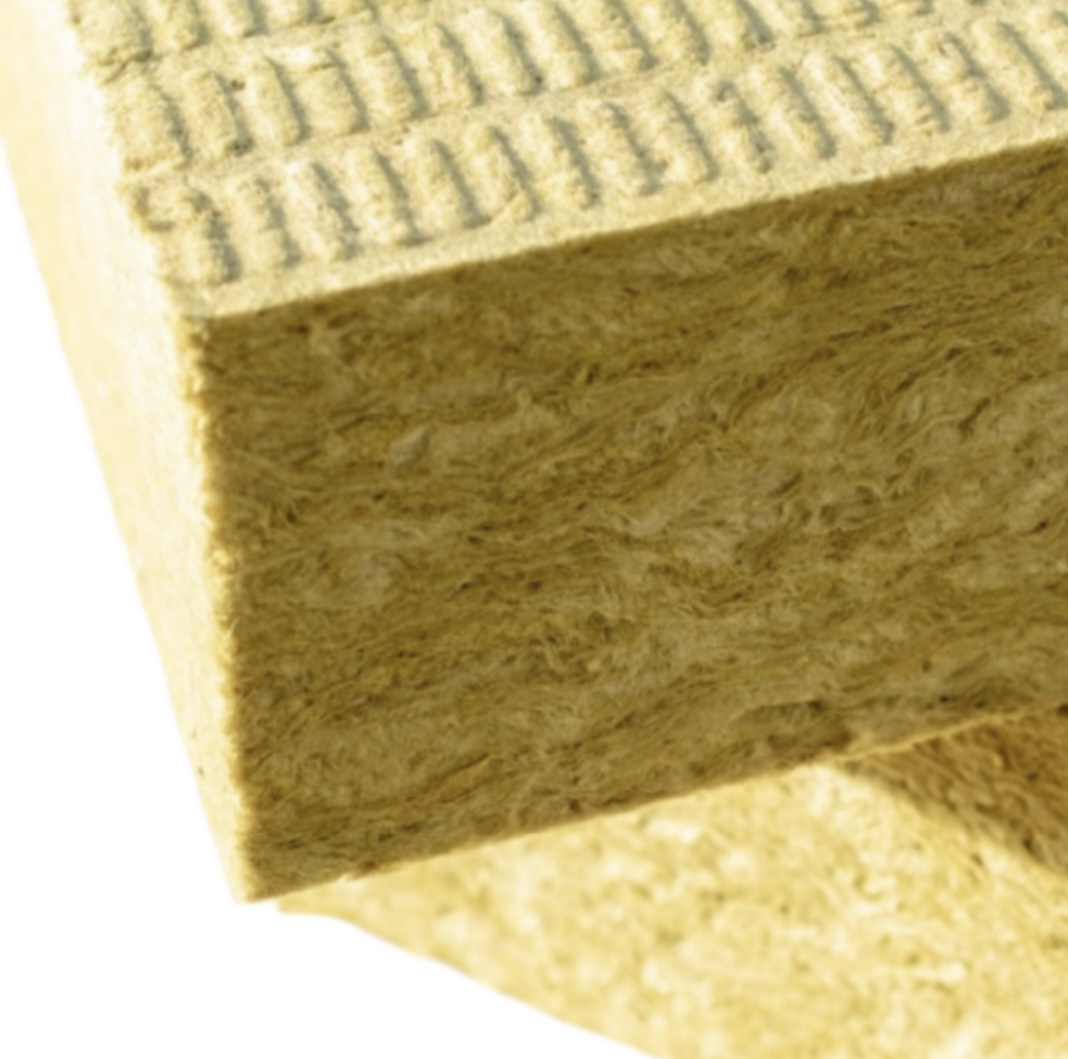
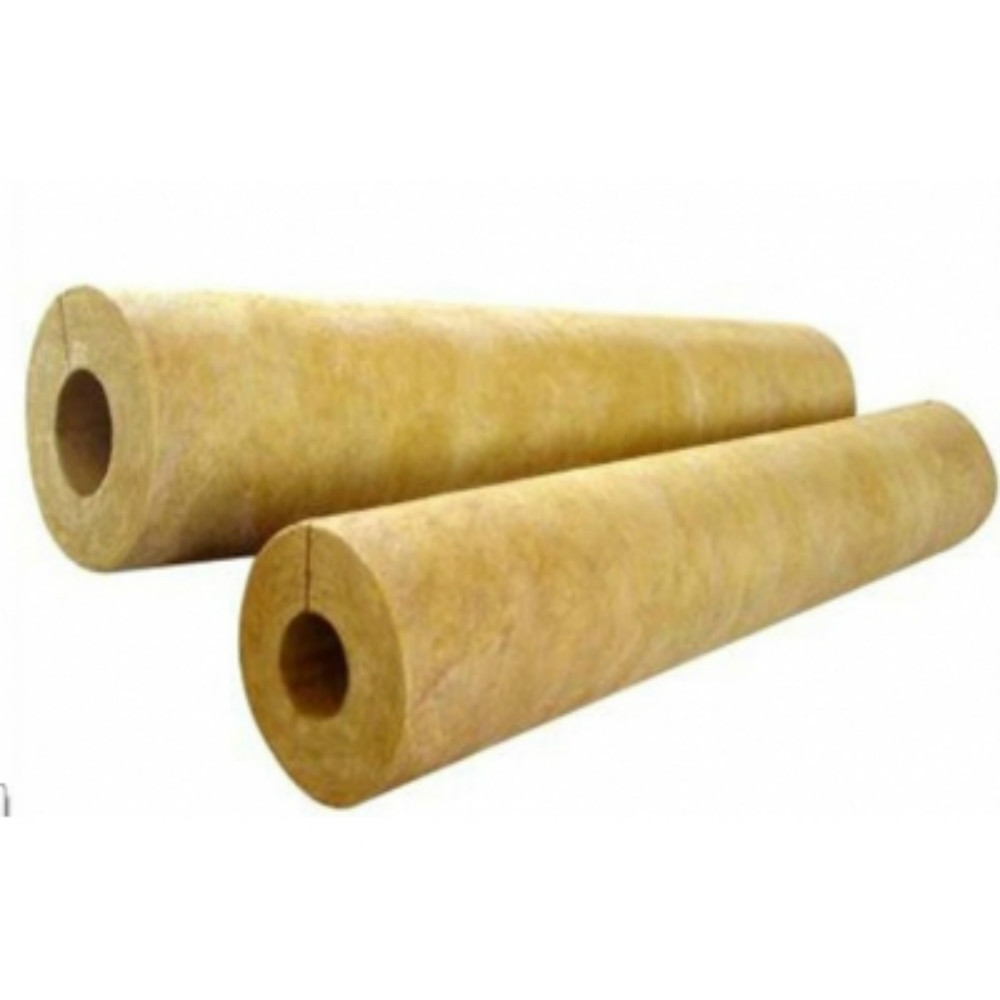
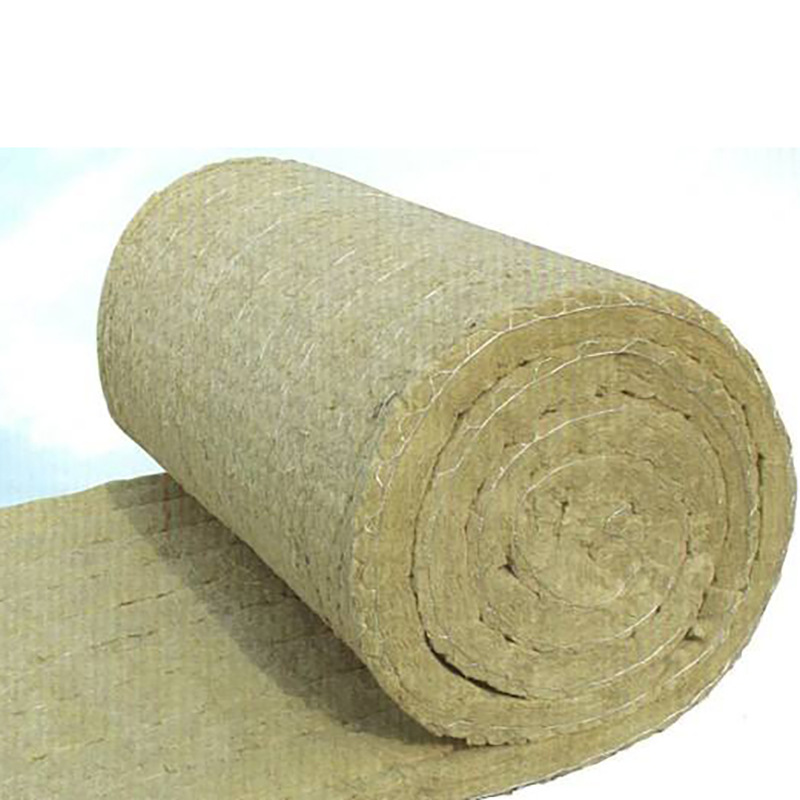
Against this policy-driven market opportunity, Tianjin Jinsimai Building Materials Technology Co., Ltd. develops and produces rock wool fireproof insulation goods under its Xiaolong brand. Its full range of rock wool boards, rock wool pipes and rock wool felts fully meet all indicator requirements laid out in the 2025 edition Code for the Building Thermal Insulation Materials. All products hold Class A1 non-combustible certification, withstand temperatures above 1000°C, and carry a thermal conductivity of ≤0.040 W/(m·K) at an average temperature of 25°C. They deliver balanced reliable performance in fire resistance, thermal insulation and sound absorption. These rock wool products are widely used for exterior wall insulation of high-rise buildings, steel structure fire protection, heat preservation for industrial high-temperature pipelines and wrapping for special-shaped equipment. Up to now, they have been adopted in dozens of residential, factory and municipal supporting thermal insulation and fireproof projects across the Beijing-Tianjin-Hebei region. The company runs a mature spot warehousing system, and standard specifications can be delivered within 3 working days. Having completed market layout at home and overseas, the firm supplies various engineering projects worldwide with stable product quality and complete supply chain support. It delivers compliant, high-performance rock wool insulation materials to support the construction sector’s shift toward safer, energy-saving and low-carbon development.